
Most people think bangs are a big, risky commitment. One bad snip, and you spend four months clipping them back with bobby pins.
Curtain bangs work differently. They split down the middle and sweep out toward your cheekbones, so they frame your face instead of covering it. They blend into long hair, grow out gently, and tuck behind your ears on days you’d rather not deal with them.
That’s why long hair with curtain bangs has become the go-to first fringe for women who want a change but aren’t ready to give up their length. You keep everything you love about long hair and add a soft shape right where people look first.
Still, curtain bangs aren’t one single cut. Short and wispy, long and swoopy, curly, coily, side parted, they all look and behave differently. Below are 22 versions, with the exact words to use at the salon and how to style each one at home on a normal, rushed morning.
1. Classic Middle Part Curtain Bangs on Long Straight Hair

A middle part curtain fringe is the easiest way into bangs, because it splits away from your face instead of sitting flat on it.
The bangs are shortest at the center, around the bridge of the nose, and get longer toward the sides until they meet your face framing pieces. On long straight hair, the shape looks clean and soft.
Ask for:
- Shortest point at the nose or upper lip
- Sides that blend toward your cheekbones
- Bangs cut dry, so they don’t end up shorter than planned
On off days, two small clips pin them back in seconds.
2. Bottleneck Bangs That Flare at the Cheeks
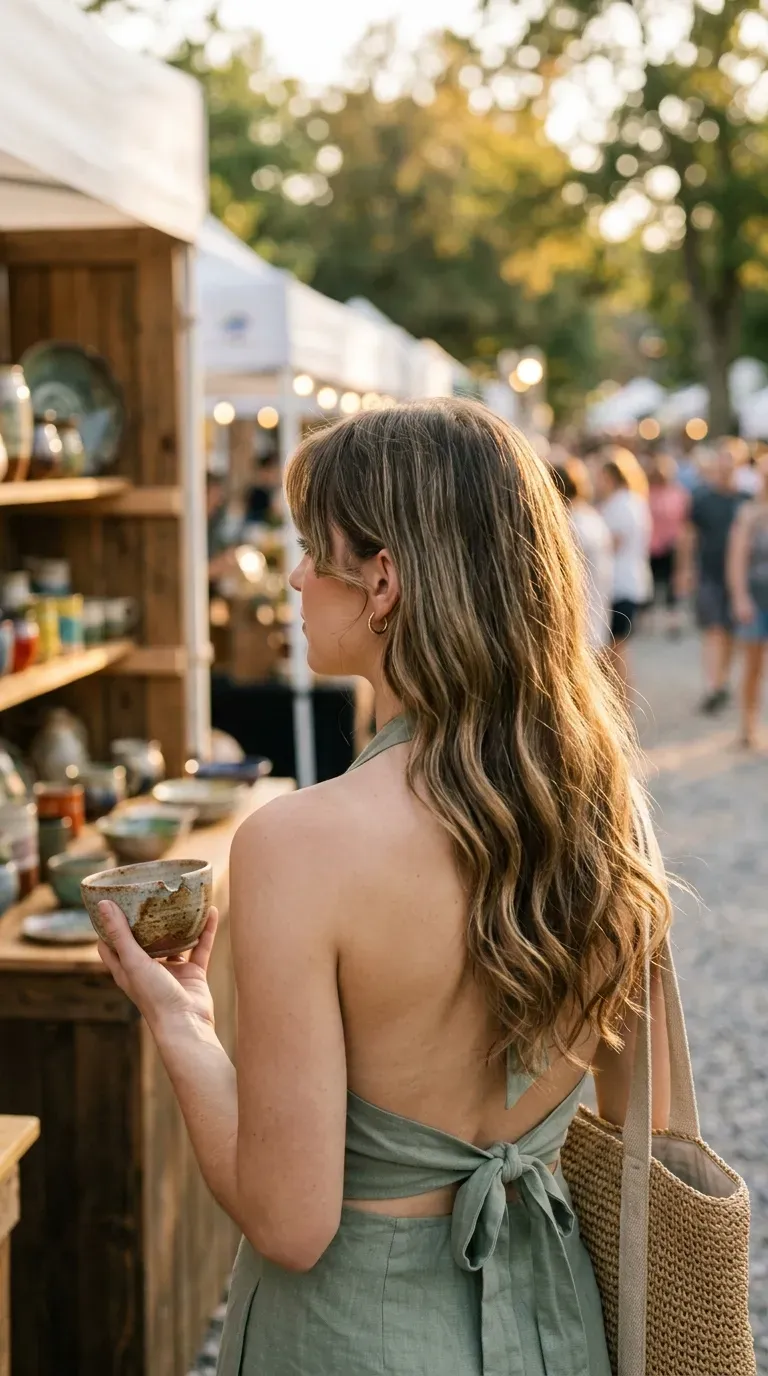
Narrow at the top, wider at the bottom, like the neck of a bottle. That’s the shape of bottleneck bangs.
They start as a slim section at the part, then flare out and curve around the cheekbones. Next to classic curtain bangs, they look a little fuller across the forehead.
Best on: medium to thick hair that has enough body to fill out the flare.
Style them with a small round brush, rolling the sides outward. A quick blast of cool air sets the curve so it holds through the day.
3. Short Wispy Curtain Bangs at the Brow
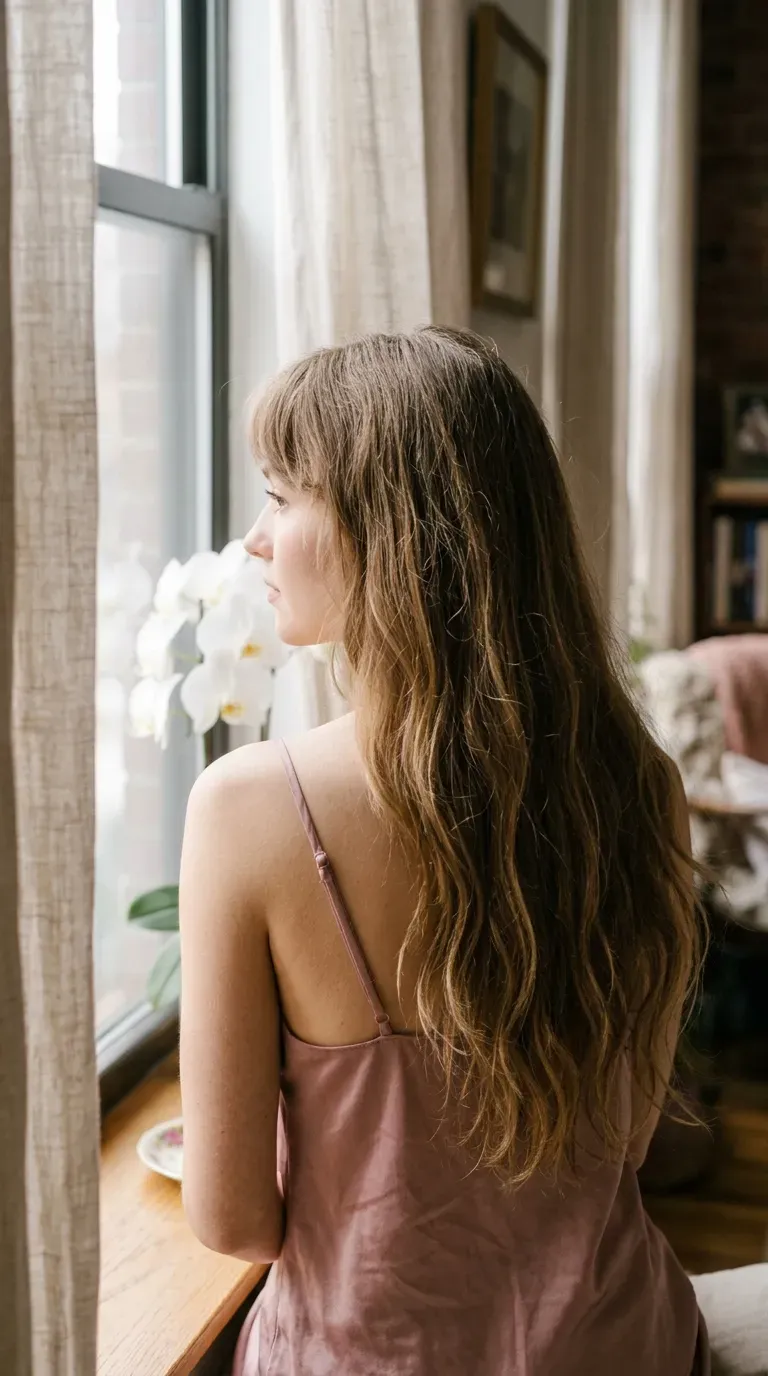
The rule with short wispy bangs: fewer hairs, not shorter ones.
Wispy curtain bangs are cut thin and light, sitting near the eyebrows with bits of forehead showing through. With less hair in the fringe, they look airy instead of heavy.
They do need regular trims, because a short fringe gets noticed the second it grows into your eyes.
A pinch of dry shampoo at the roots keeps them from splitting into oily strings by mid afternoon.
4. Curtain Bangs Blended Into Face Framing Layers

Curtain bangs look most natural when the shape doesn’t stop at your cheekbones.
Ask your stylist for this:
- Curtain bangs with the shortest point near your nose.
- A first face framing layer around the chin.
- A second layer near the collarbone, blending into your length.
- Long layers through the back, mostly left alone.
The fringe becomes the top step of a soft staircase around your face. As the bangs grow, they slide into that frame instead of hanging on their own.
5. Curtain Bangs on Long Curly Hair
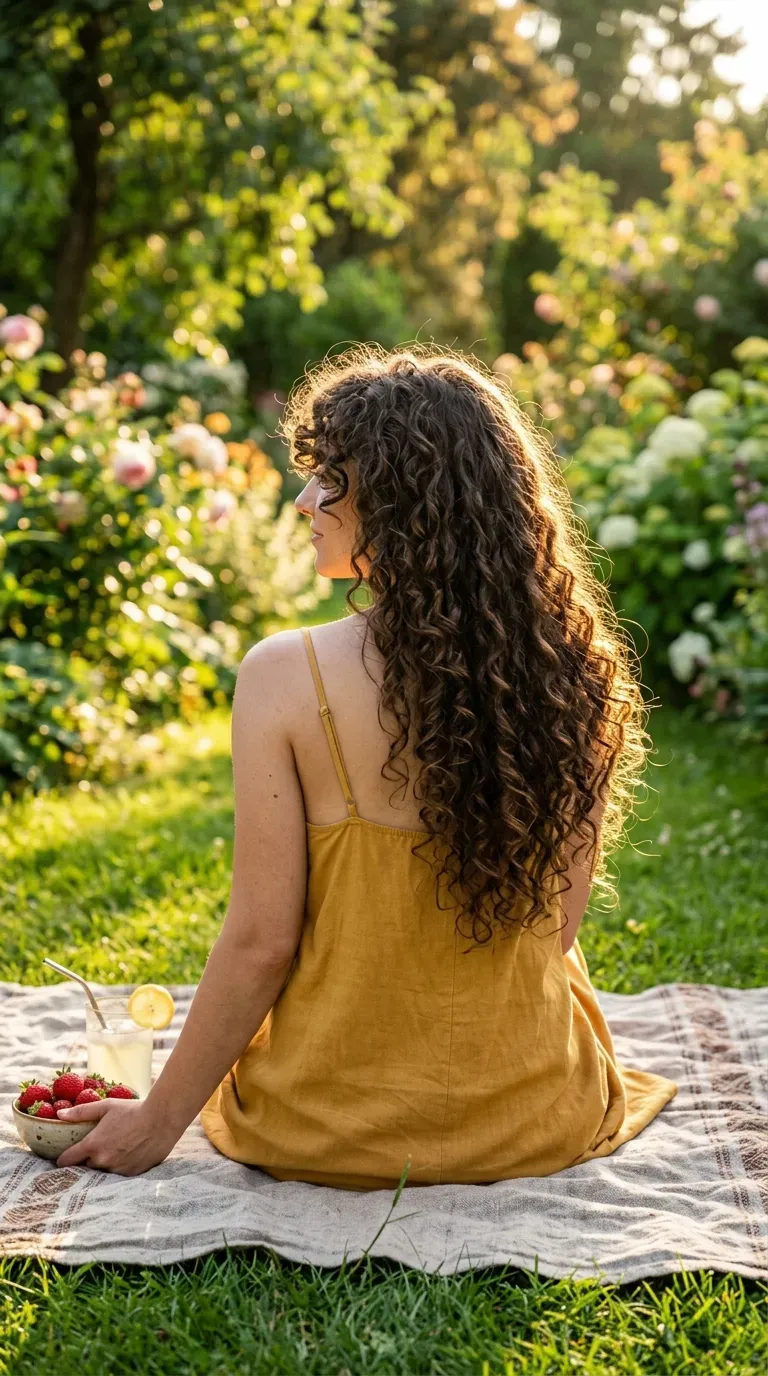
People say curly hair can’t do bangs. Curly curtain bangs prove otherwise.
The key is cutting them dry, curl by curl, and leaving them longer than feels right. Curls shrink, sometimes a lot, so a bang that looks long when wet can spring up above your brows.
- Book a stylist who cuts curls dry
- Start at cheekbone length and go shorter later
- Define the bangs with the same curl cream you use everywhere else
Scrunch the bangs separately with your fingertips so they don’t clump into one big curl.
6. Air Dried Curtain Bangs on Long Wavy Hair
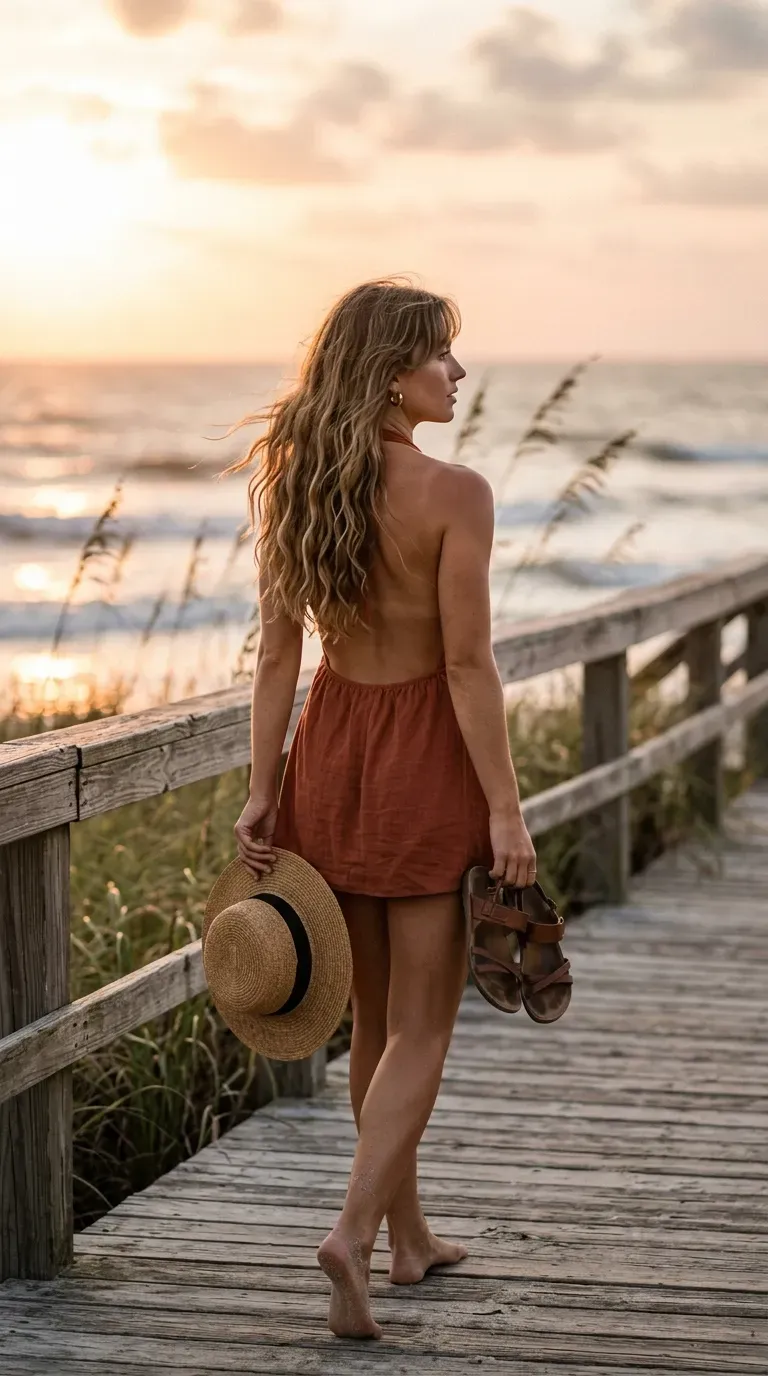
Wavy hair and curtain bangs get along better than most people expect, as long as you let the bangs do their own thing.
Plenty of women with waves notice the bangs bend outward on their own when air dried, which is exactly the curtain shape.
- Comb a pea size bit of leave-in through damp bangs
- Push them apart into the part with your fingers
- Leave them alone until fully dry
Rough morning? Wet just the bangs at the bathroom sink and repeat. No full wash needed.
7. Side-Parted Curtain Bangs for a Softer Sweep
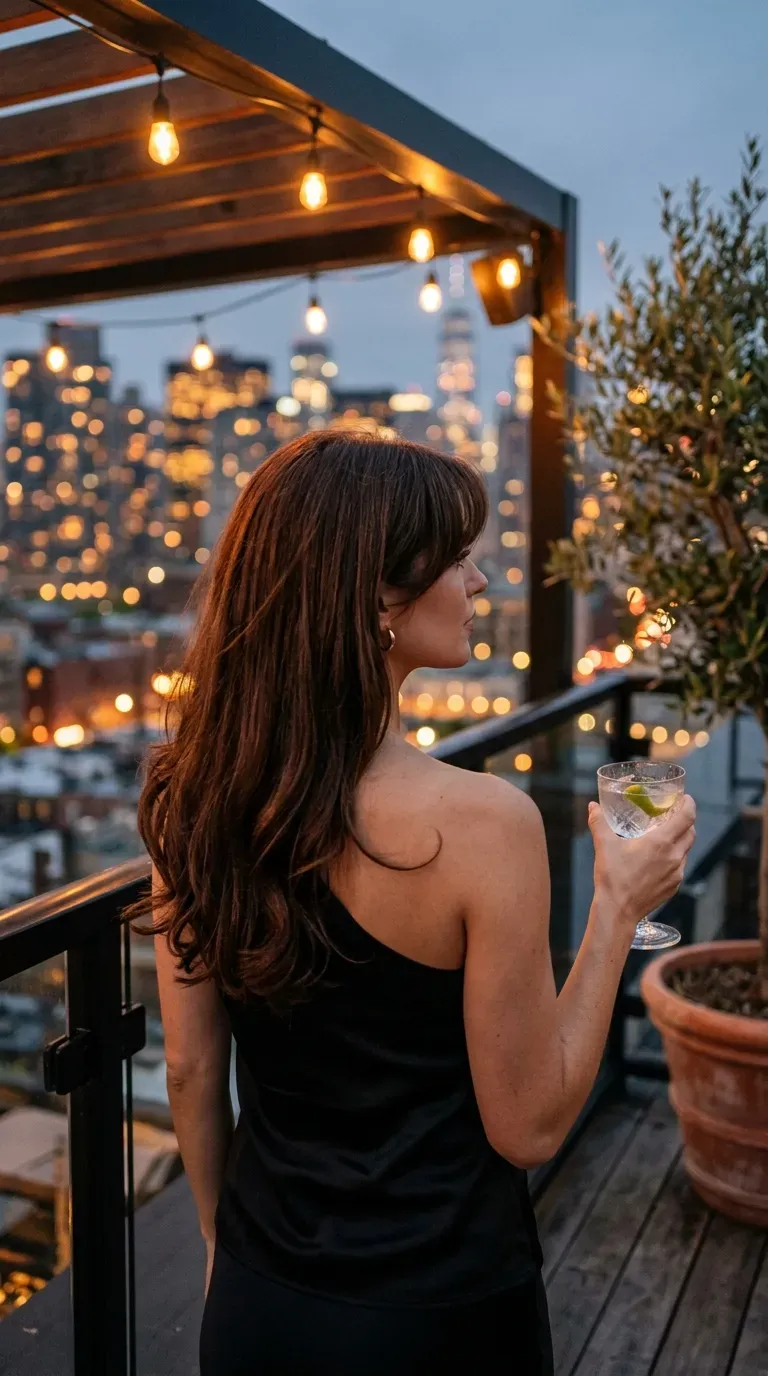
Shifting the part slightly off center turns curtain bangs into something softer and less symmetrical.
The cut itself stays the same. Only the part moves, so you can switch between looks depending on your mood or your outfit.
- Middle part: even on both sides, more polished
- Side part: one side sweeps longer, more relaxed
Small detail: a side part often hides a stubborn cowlick at the front hairline better than a center part does.
| Middle Part | Side Part |
|---|---|
| Look: balanced and polished | Look: soft and relaxed |
| Frames: both cheekbones evenly | Frames: one side more than the other |
| Easiest on: straight hair | Easiest on: wavy hair or cowlicks |
| Styling: round brush on both sides | Styling: sweep the long side across |
8. Light Curtain Bangs for Fine Hair
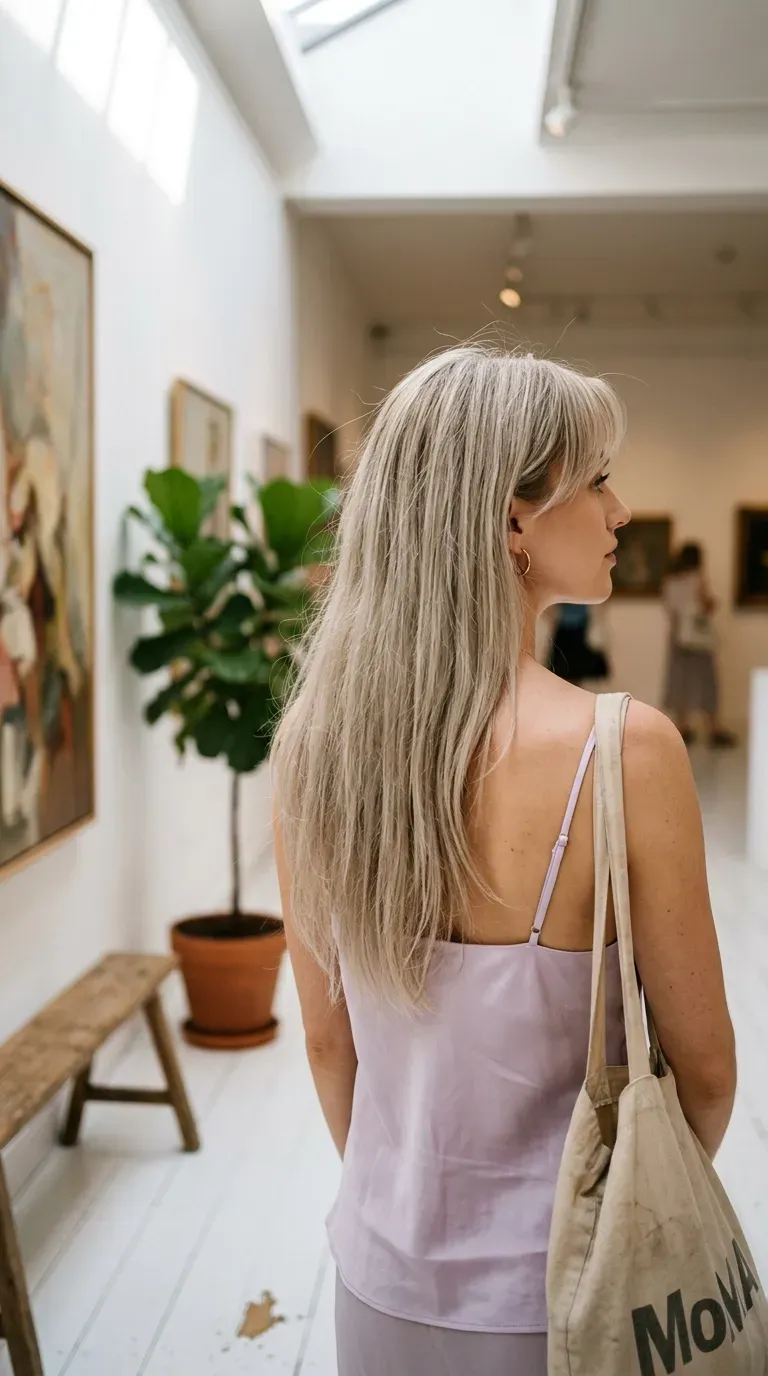
Fine hair often struggles with bangs, because taking a big section from the front leaves the rest looking thin.
The fix is a narrow, shallow fringe. Your stylist takes only a small triangle of hair from the front, so the length behind it stays full.
- Ask for a small, shallow bang section
- Keep the bangs longer, near the cheekbones
- Blow dry with a light root lift spray
Fine bangs pick up oil quickly. A little dry shampoo before bed often keeps them fresher come morning.
9. Textured Curtain Bangs for Thick Hair

The usual mistake with thick hair is a solid, blunt fringe that sits on your forehead like a curtain rod.
Ask your stylist to point cut the ends and take a little weight out of the bangs themselves. They’ll split and swing apart instead of puffing straight out.
Thick bangs hold a blowout well, which is good news. A round brush shape often lasts into the next day.
Watch out: thinning too close to the roots can leave short pieces sticking straight up. Keep it to the ends.
10. 70s Blowout Curtain Bangs With Big Volume
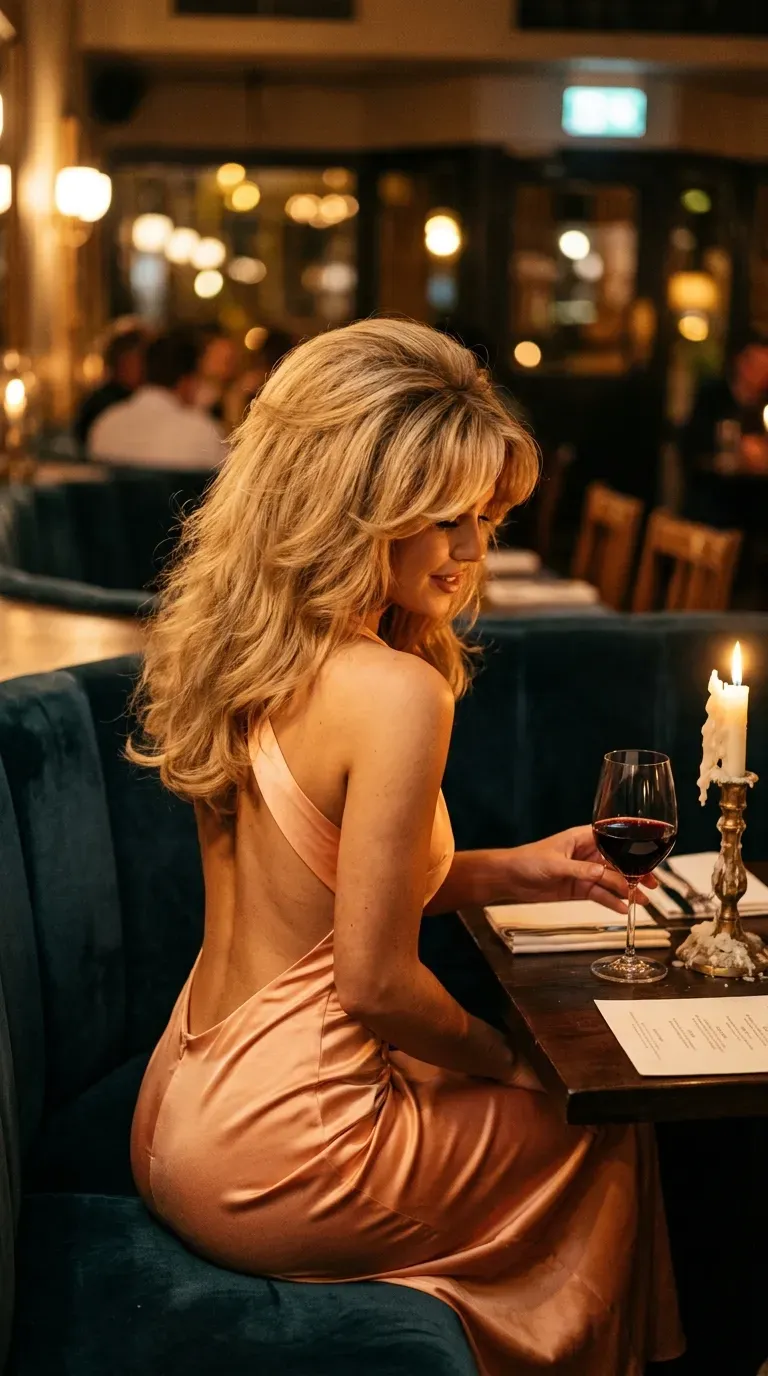
A weekend dinner, a big glossy blowout, and curtain bangs flipped back in a rounded swoop.
The bangs are cut a little longer and fuller so they can be blown back and away from the face. Paired with long, bouncy layered hair, the whole look turns big and glamorous.
A large round brush and a dryer with a nozzle attachment are really all you need.
Velcro rollers in the bangs while you do your makeup help the swoop survive the night.
Dry the bangs first, while they’re still damp, before they set flat on their own.
Roll the brush up and back, then lock it in with the cool setting.
Letting the bangs air dry while you style the rest of your hair.
Pressing them straight down with a flat iron, which kills the swoop.
11. Curtain Bangs With a Half-Up Claw Clip
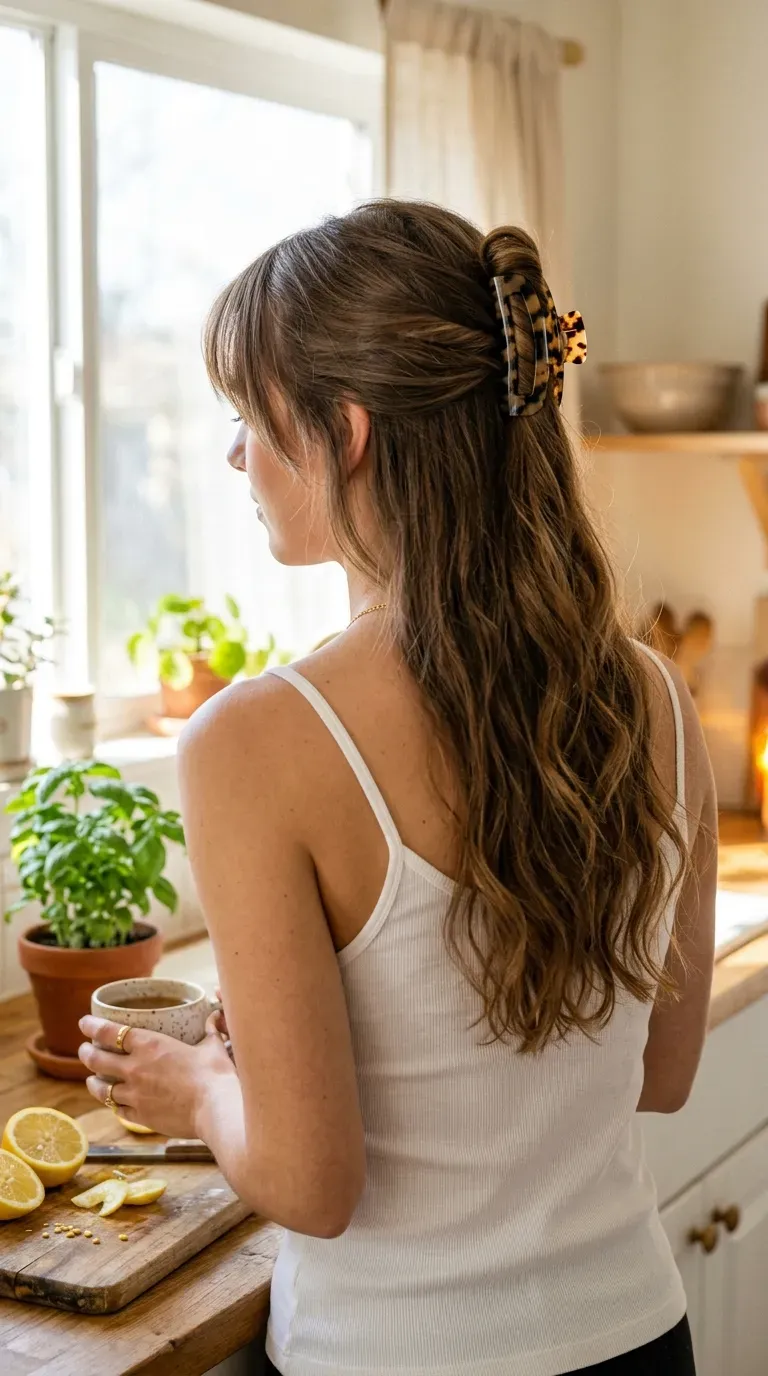
Half-up hair shows off curtain bangs better than almost any other style, since nothing pulls attention away from the fringe.
Gather the top section behind your bangs, twist it once, and clamp it with a medium claw clip at the back of your head. Leave the bangs and a couple of face framing pieces out.
Quick tip: separate the bangs before you twist the rest, or you’ll catch half of them in the clip.
It’s a reliable second day style for when your lengths look flat but the bangs still behave.
12. Curtain Bangs With a Sleek High Ponytail
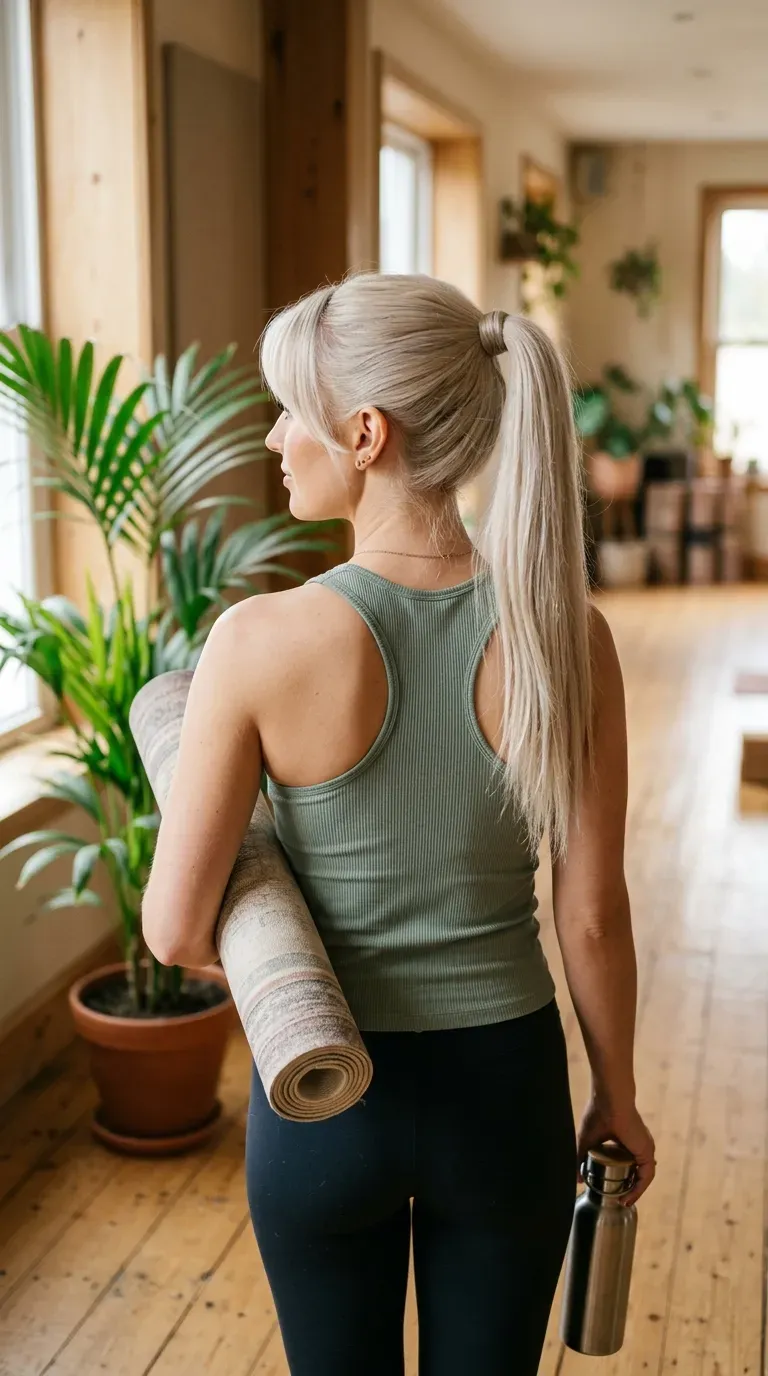
Small rule for high ponytails: pull everything back except the bangs.
A tight high pony with curtain bangs loose in front softens the whole look. Without them, a slicked back pony can feel a bit severe.
- Section off the bangs and clip them forward.
- Brush the rest into a high ponytail and tie it tight.
- Release the bangs and blow them apart with a small round brush.
Wrap a thin strand of hair around the elastic for a finished look.
13. Curtain Bangs With a Low Messy Bun
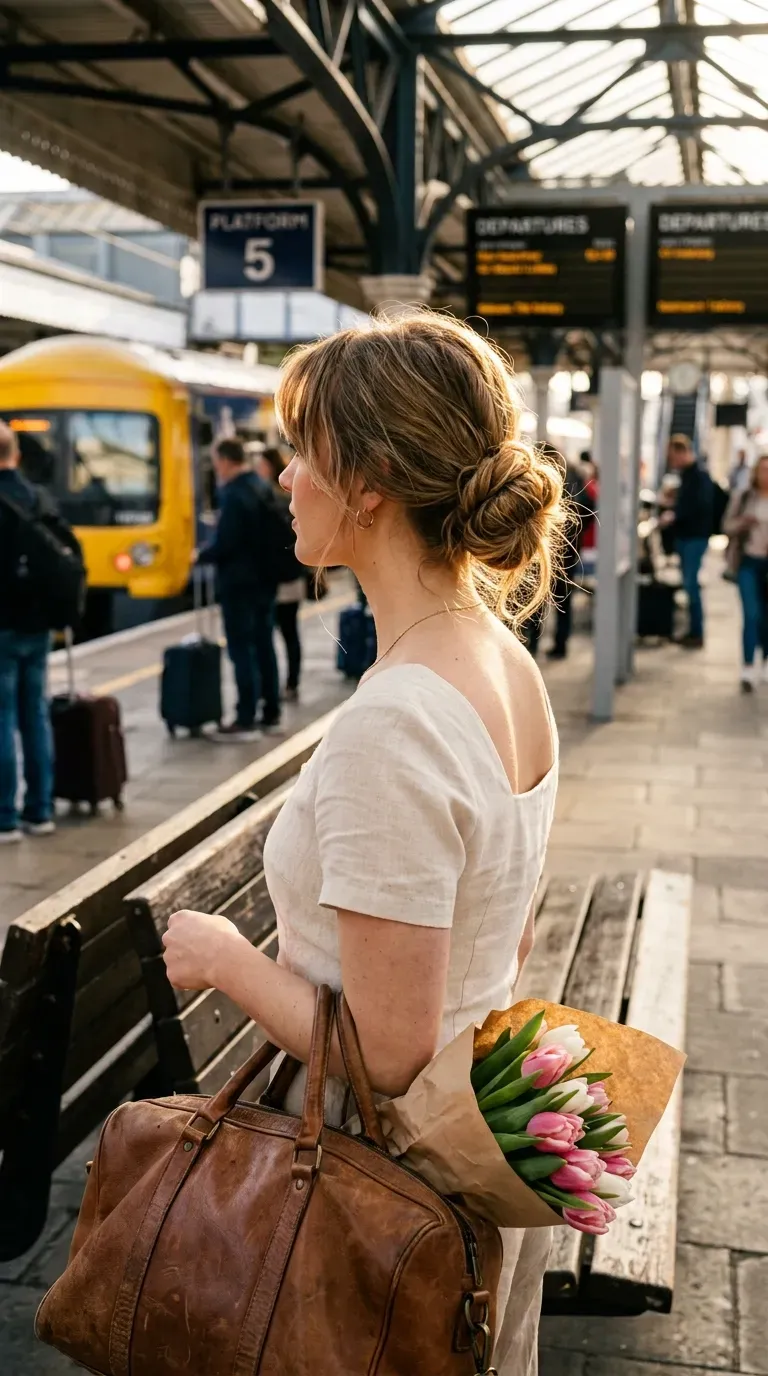
Busy mornings are where curtain bangs earn their keep. A rushed low bun suddenly looks styled, because the bangs carry the whole look.
Twist your lengths into a loose low bun at the nape and pin it. Pull a couple of pieces out by your ears. Leave the bangs as they are, even if they’re a little messy.
- Day one bangs: blow them out
- Day three bangs: dampen and finger dry
That contrast between a lazy bun and tidy bangs reads as completely on purpose.
14. Curtain Bangs With Two Dutch Braids
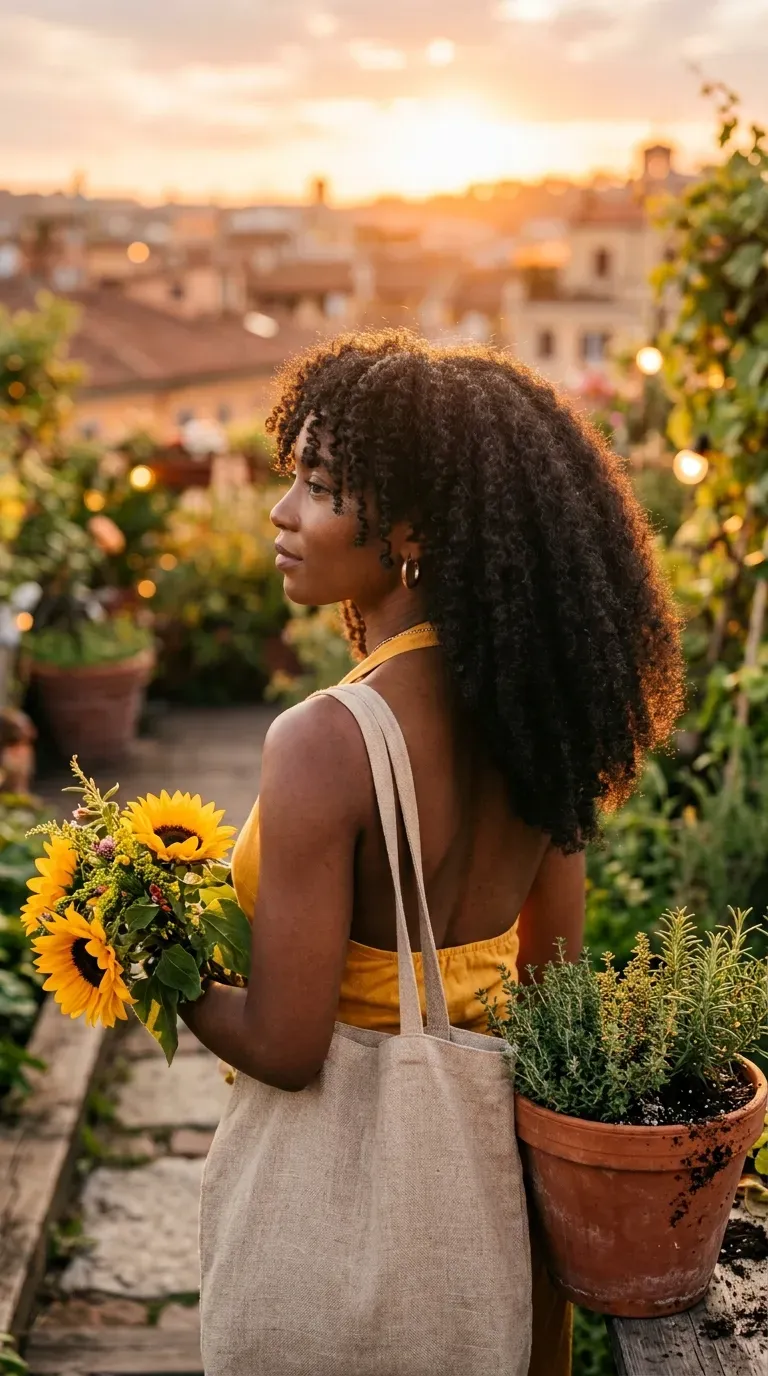
Two tight Dutch braids down the back, soft curtain bangs loose in front. Sporty behind, soft up front.
Section the bangs off first and clip them out of the way. Braid each side, starting just behind the bang section so the braids don’t drag the fringe back.
Release the bangs at the end and smooth them with a dab of cream.
It holds up through gym classes, long flights, and lazy Sunday errands.
15. Natural Curtain Bangs on Long Coily Hair
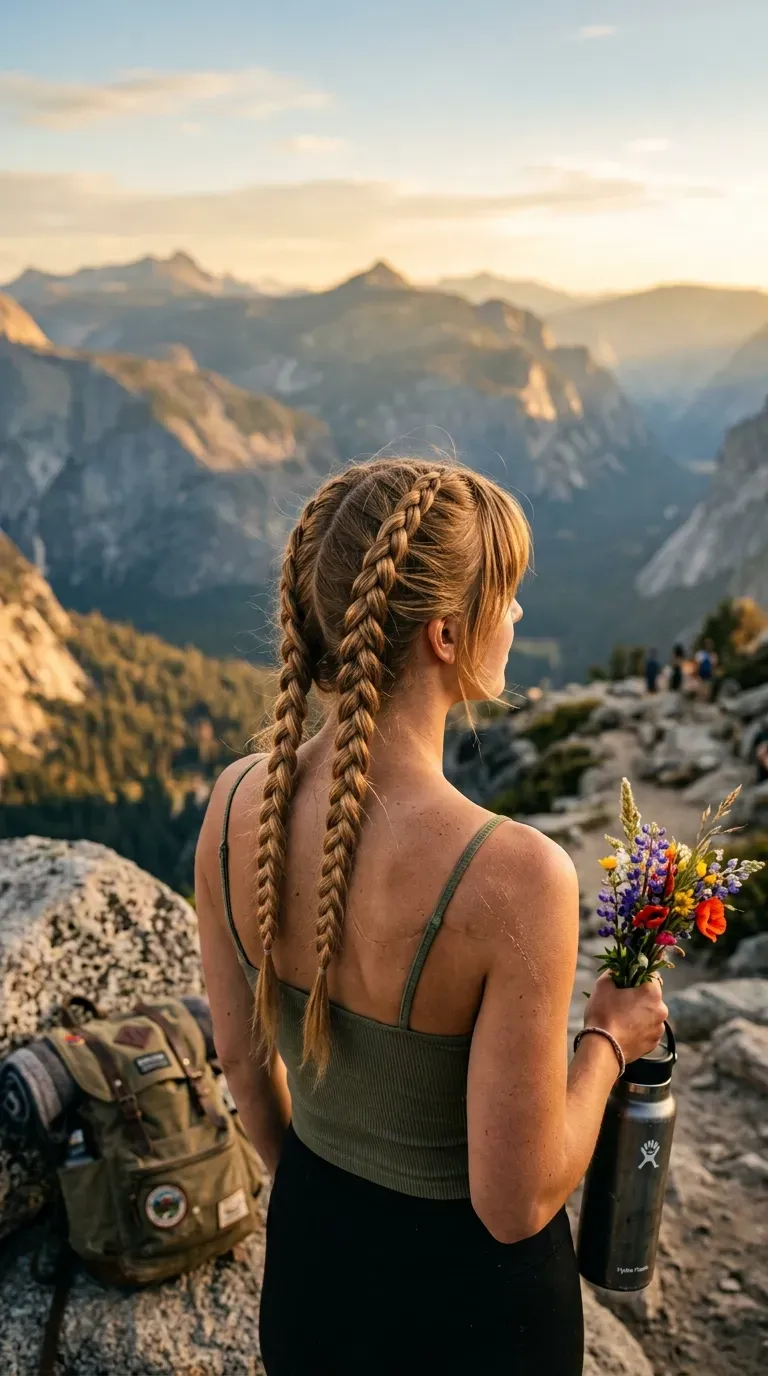
Coily hair with bangs often gets the wrong advice: cut them wet, keep them short. That usually ends with a fringe that shrinks way up above the brows.
Coily curtain bangs tend to work best cut on stretched or dry hair, shaped so they part naturally in the middle.
- Find a stylist trained in textured hair
- Keep the bangs longer than your goal length
- Define them with a curl gel or custard on their own
Sleep in a satin bonnet or scarf so the bangs keep their shape overnight.
16. Longer Curtain Bangs Angled for Round Faces

Round faces can absolutely wear bangs. Length and angle just matter more.
Longer curtain bangs that fall below the cheekbones create a downward line, which draws the eye up and down instead of across. A middle part opens up the center of the face.
- Keep the shortest point near the lips or chin, not the brows
- Blend them into long face framing layers
- Skip round, puffy blowouts that add width at the sides
Brushed slightly away at the ends, they form a soft V around your face.
17. Fuller Curtain Bangs for a High Forehead

A common mistake with a high forehead is going too wispy. Thin bangs can make the forehead look even taller.
Ask for a fuller curtain fringe that starts a bit further back on the head, so more hair falls forward. The center sits around the eyebrows, then sweeps out to the sides.
Who it suits: longer face shapes and high hairlines, especially paired with long hair that draws the eye downward.
Keep the ends soft. A hard, blunt line across a high forehead can look heavy.
18. Curtain Bangs With Money Piece Highlights

Bright pieces right at the front show off the movement of curtain bangs better than anything else.
A money piece is a pair of lighter sections near the face. With curtain bangs, your colorist lightens the bangs and the first face framing layers, so the sweep of the fringe catches the light.
- Ask for brightness on the underside of the bangs too
- Keep the rest of your color softer for contrast
Book a gloss between appointments. Lightened hair near the face can turn brassy faster than you’d expect.
Dark bangs blend into the rest of the hair, so the curtain shape disappears in photos and dim light.
Lighter front pieces trace the curve of the bangs, so the sweep shows up even when your hair is pulled back.
19. Curtain Bangs With a Long Butterfly Cut
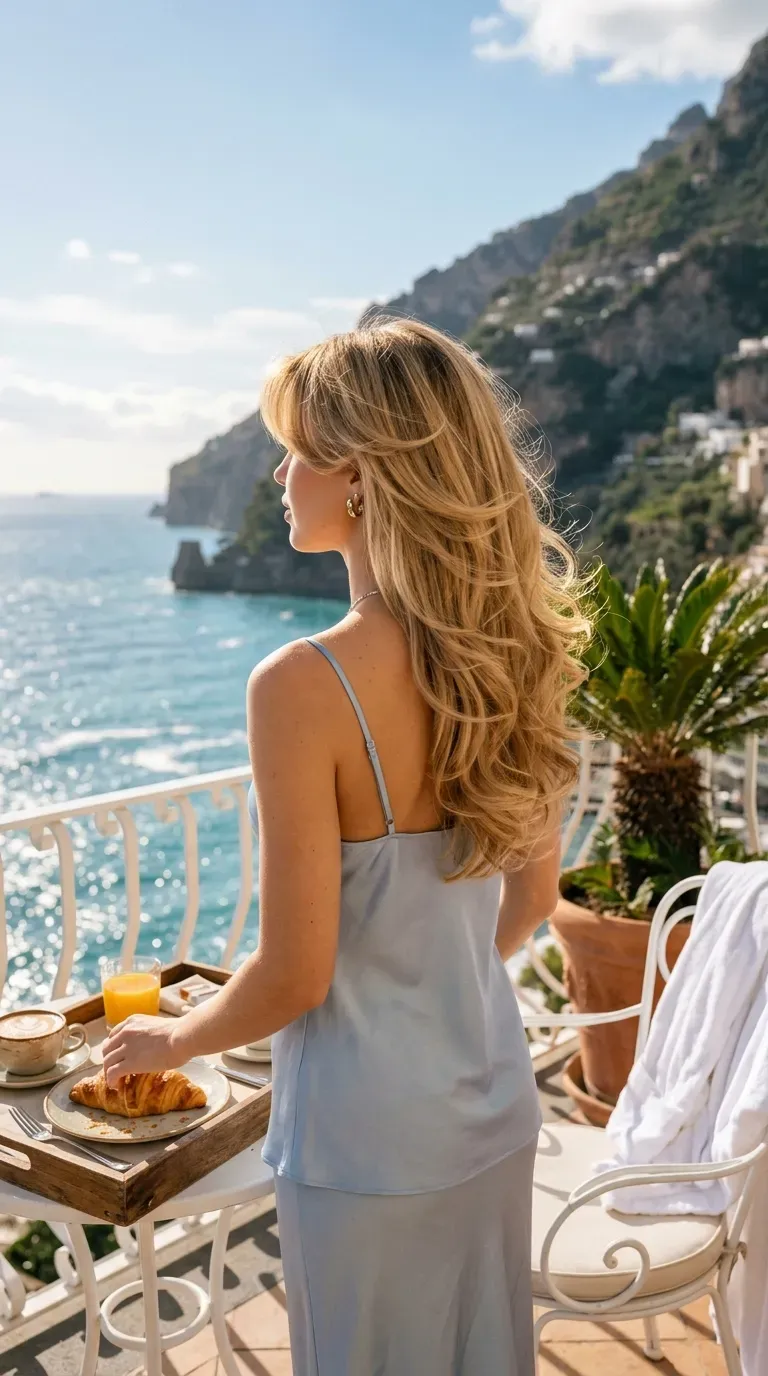
Butterfly cuts and curtain bangs pair naturally, since both are built around the face.
At home:
- Blow dry the bangs first, rolling them back with a small round brush.
- Dry the short face framing layers back and away.
- Finish the lengths with a big round brush, curving the ends.
- Shake everything out with your fingers.
The bangs flow straight into the butterfly wings, so the whole front reads as one soft shape.
20. Curtain Bangs With a Long Shag
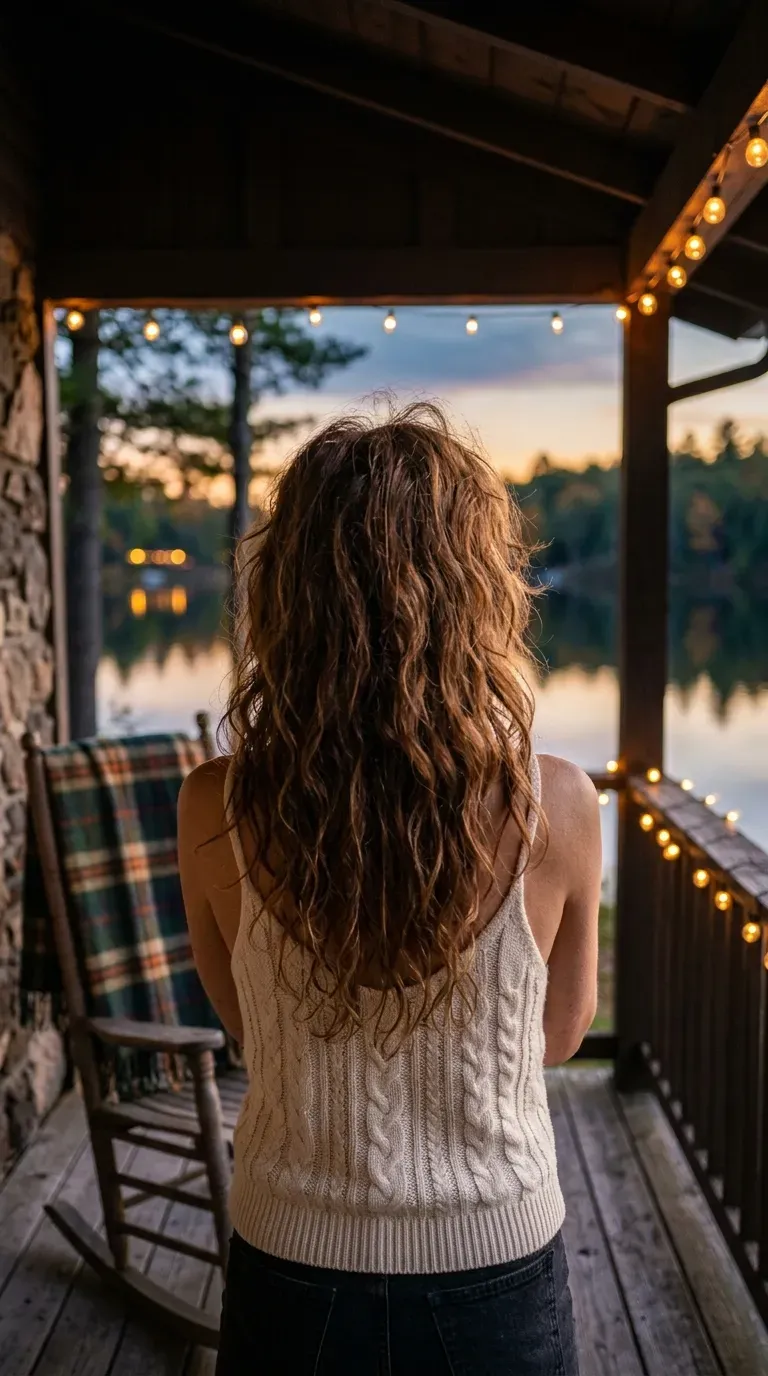
Rolled out of bed, a little texture spray, hands through the hair, out the door. That’s how a long shag with curtain bangs should look.
The shag’s stacked layers and the bangs melt into one tousled shape. Nothing is meant to look perfect, which is the whole appeal.
- Scrunch texture spray into dry hair
- Twist a few random pieces around one finger
- Leave the bangs slightly piecey
Plan on regular trims. Once the layers grow past each other, the shag loses its bounce.
21. Long Curtain Bangs That Tuck Behind Your Ears

Bangs in your eyes during a long workday get old fast. Long curtain bangs can simply tuck behind your ears.
For this to work, the bangs need to reach at least your cheekbones. Tucked, they look like soft face framing. Untucked after work, they’re bangs again.
Quick tip: a tiny bit of styling cream on your fingertips helps them stay tucked without sliding forward.
It’s also the easiest route if you ever decide to grow them out, since there’s no awkward stage to hide.
Ask for your first set of curtain bangs at cheekbone length. You get two looks from one cut, and you can always go shorter at the next trim.
22. Curtain Bangs With a Silk Scarf Headband
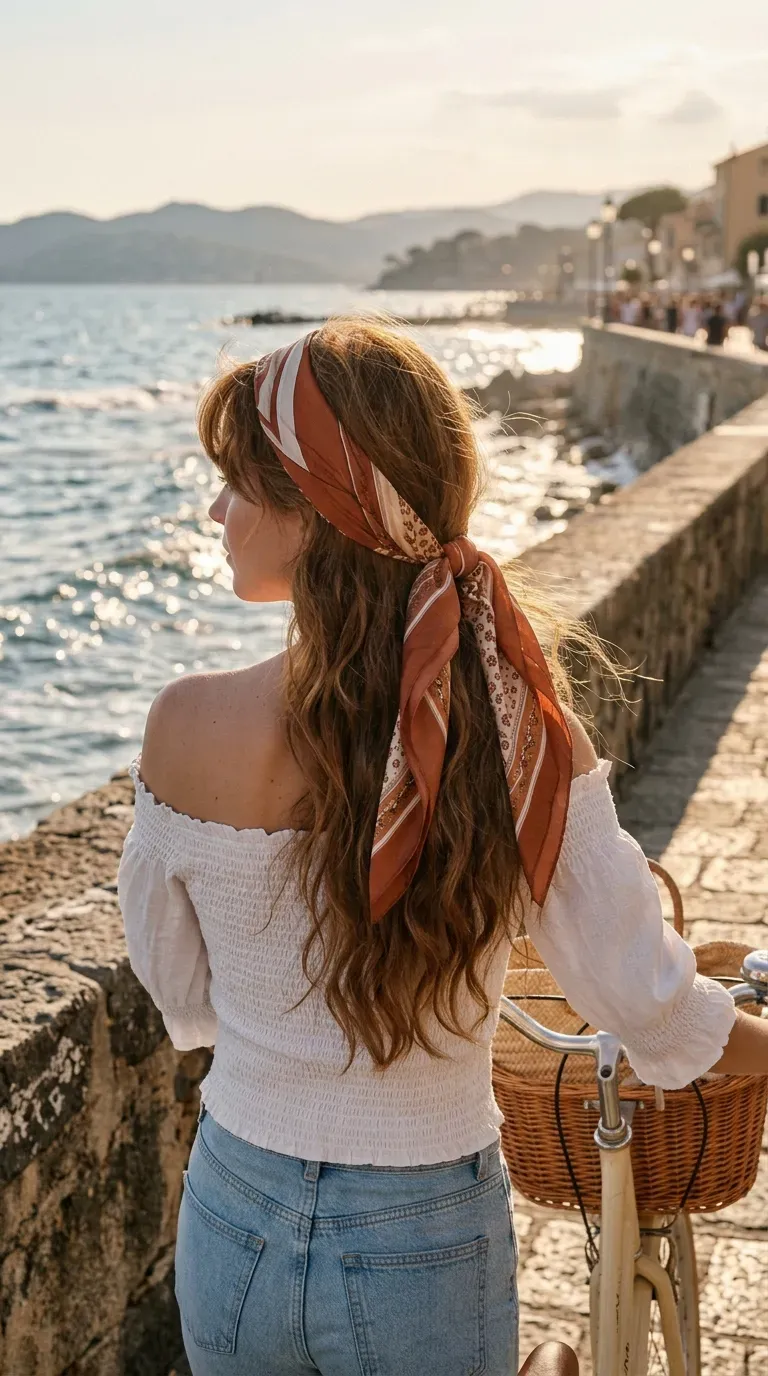
A folded silk scarf tied just behind the bangs, knot at the nape, long tails hanging down your back.
Fold a square scarf into a narrow band, set it about an inch behind your hairline so the bangs stay free, and knot it under your hair at the back.
- Patterned scarves hide second day roots
- Solid colors look polished for dinner
The scarf keeps the rest of your hair off your face while the bangs still frame it. Beach days and windy walks are where this one shines.
Bangs Without the Big Risk
Curtain bangs are one of the gentlest changes you can make. Your length stays, the shape around your face changes, and if you decide they’re not for you, they grow into face framing layers instead of an awkward phase.
Start a little longer than you think you want. Going shorter at the next trim is easy, going longer takes months. Bring photos, mention your hair texture, and ask your stylist to cut the bangs dry.
Long hair with curtain bangs suits far more faces than most people expect, especially once the length is tailored to you.
Save this list to your hair board so it’s ready for your next salon visit.