
Thick hair has a way of looking great for about ten minutes after you leave the salon. Then gravity takes over. By lunch it lies flat at the roots, puffs out near the ends, and sits on your neck like a warm scarf you cannot take off.
The usual fix is to ask for “more layers,” and that is where things go sideways. Short, choppy layers on heavy hair can leave a shelf on top and a solid triangle underneath. Thinning shears used the wrong way can make the ends frizz and stick out in every direction.
Good long layers for thick hair work differently. They pull weight out of the inside, keep the length you spent years growing, and give your hair room to swing when you turn your head.
Below are 20 cuts that do that, each with notes on who it suits, what to say in the salon chair, and how to style it on a normal weekday morning.
1. Long V Cut Layers That Taper Down the Back

A V cut is one of the easiest ways to make heavy hair look lighter without losing length in the middle of your back.
Your stylist cuts the back into a soft point, so the sides sit a little shorter than the center. That angle pulls the eye downward and stops the ends from looking like one solid block.
Ask for:
- Long layers that start around the collarbone
- A soft V, not a sharp arrow
- Point cut ends so the tip does not look stiff
Quick tip: keep the V gentle if your hair is straight. A deep point can start to look stringy by day two.
2. Face Framing Layers That Start at the Cheekbone

Thick hair often hides the face behind a curtain of weight. Pieces that start at the cheekbone fix that fast.
They open up the front, catch the light, and give you something to tuck behind your ear on a windy day. The rest of the length can stay almost untouched, which makes this a smart first step if you are nervous about layers.
Styling takes about two minutes:
- Blow dry the front pieces away from your face with a round brush.
- Let them cool in place before you touch them.
- Rub a pea sized drop of smoothing cream through the ends.
Best for anyone growing out old bangs.
3. Internal Layers That Remove Bulk Without Showing
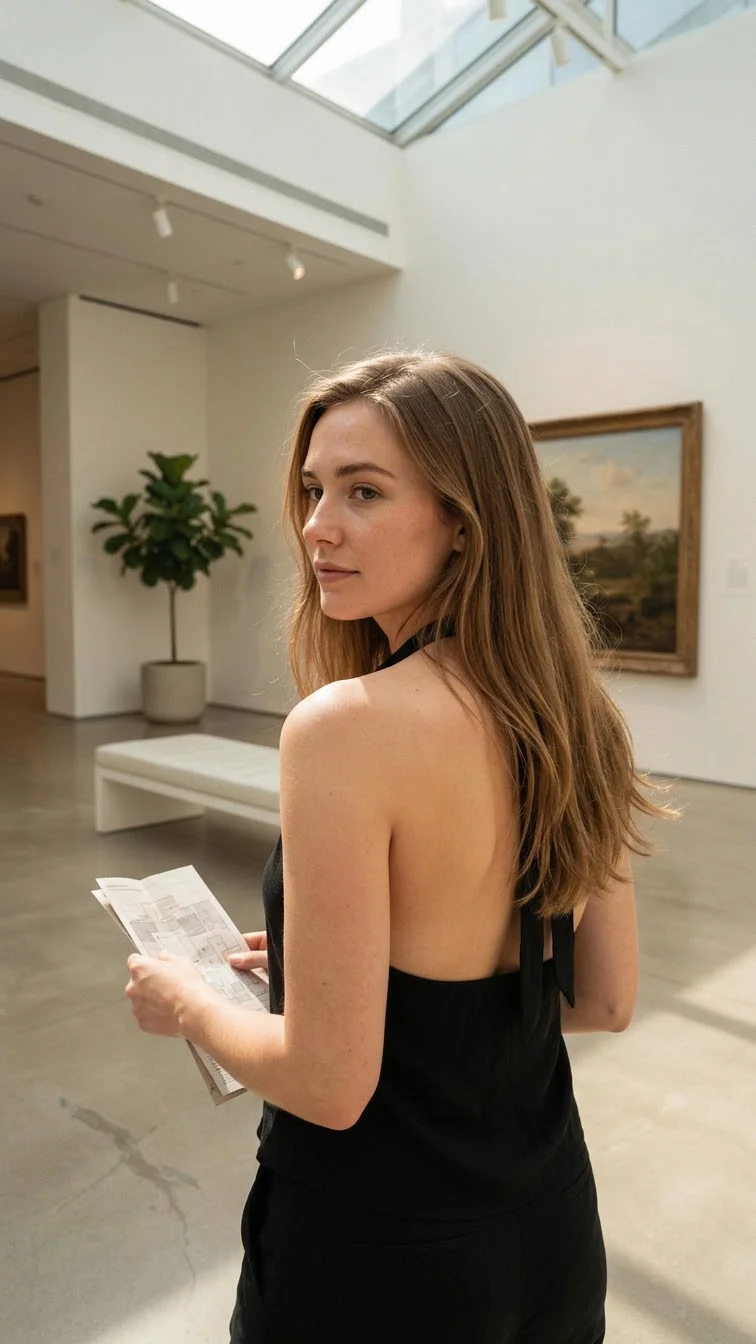
Plenty of people think layers have to be visible to do anything. With thick hair, the hidden ones often do the heaviest lifting.
Internal layers are cut underneath the top section, so the surface looks smooth and blunt while the inside loses a lot of weight. Your hair sits closer to your head, dries faster, and stops pushing outward at the sides.
Ask your stylist to work in vertical sections below the crown and leave the top layer long.
It is a quiet cut. Friends may not spot a change, but your hair ties will, because ponytails suddenly feel lighter.
Hair pushes out at the sides by noon, takes ages to air dry, and a ponytail feels like it is pulling on your scalp.
The outline still looks long and smooth, the sides lie closer to your head, and the whole length moves when you walk.
4. A Long Shag With Curtain Bangs

Choppy pieces around the crown, curtain bangs split down the middle, and long ends that flick out in different directions. That is the long shag, and it loves thick hair.
The extra density keeps the shape from looking thin or wispy, which is the usual complaint when finer hair tries this cut.
Keep the styling loose:
- Air dry with a light sea salt spray
- Rough dry the bangs with your fingers for the last few minutes
- Twist two or three random pieces around a curling wand
Book a bang trim every five or six weeks. Curtain bangs on thick hair get heavy quickly and start falling into your eyes.
5. The Butterfly Cut for Big Bouncy Volume

Think of the butterfly cut as a long layered cut wearing a shorter haircut on top. The short layers around the face and crown copy the shape of a shoulder length cut, while the back keeps its full length.
Compared with a classic layered cut, it has:
- Shorter top layers, usually around the chin
- More lift at the crown
- A bigger, rounder blowout shape
On thick hair, those short layers carry enough weight to curve nicely instead of sticking straight up. A large round brush and a handful of velcro rollers will get you the full look on a slow weekend morning.
6. U Shaped Long Layers for a Soft Rounded Hem
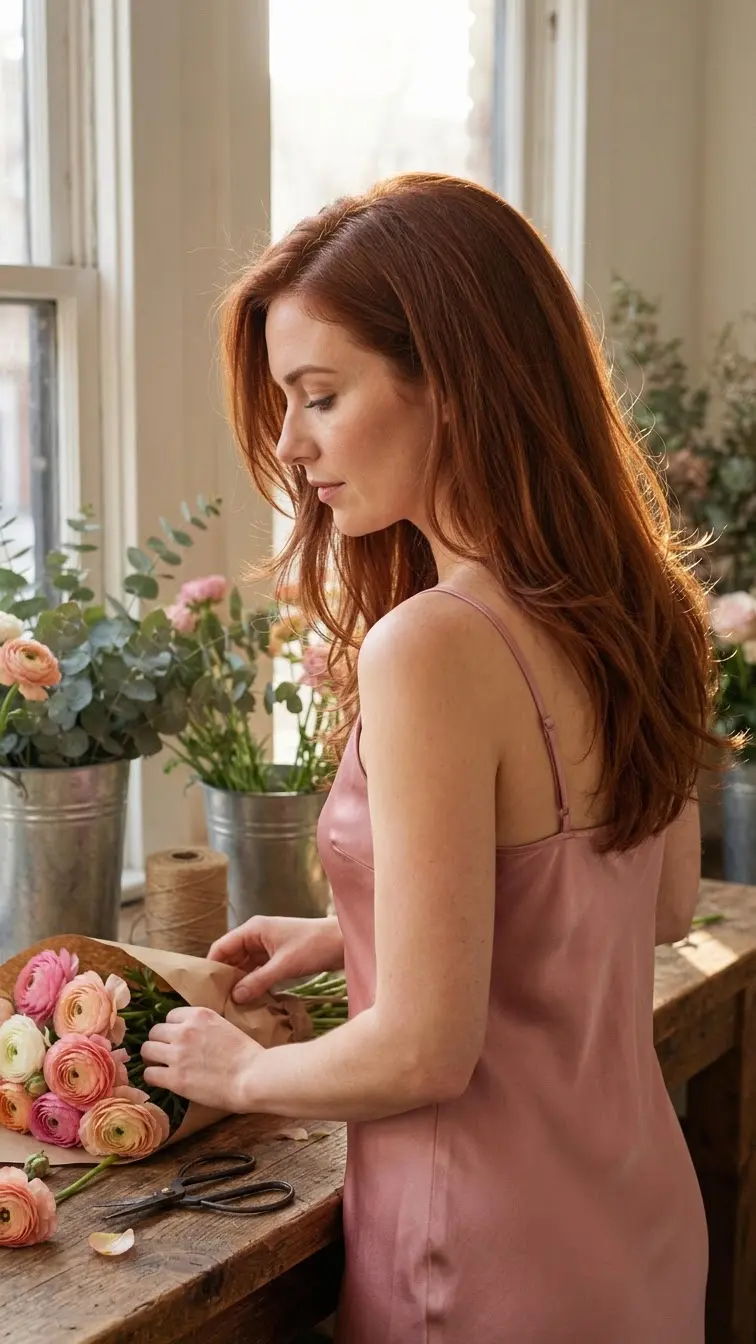
Here is the rule: if a V cut feels too dramatic, go with a U.
The back is cut in a gentle curve instead of a point, so the length looks even when you wear your hair down and still tapers softly at the ends. Layers inside the shape keep it from hanging like a heavy curtain.
This cut grows out kindly too. After three months, the U just softens, and nobody can tell you are overdue for a trim.
Good to know: a U shape shows best on straight and slightly wavy hair. Tight curls tend to hide the curved hem.
7. Feathered Layers With a Seventies Sweep
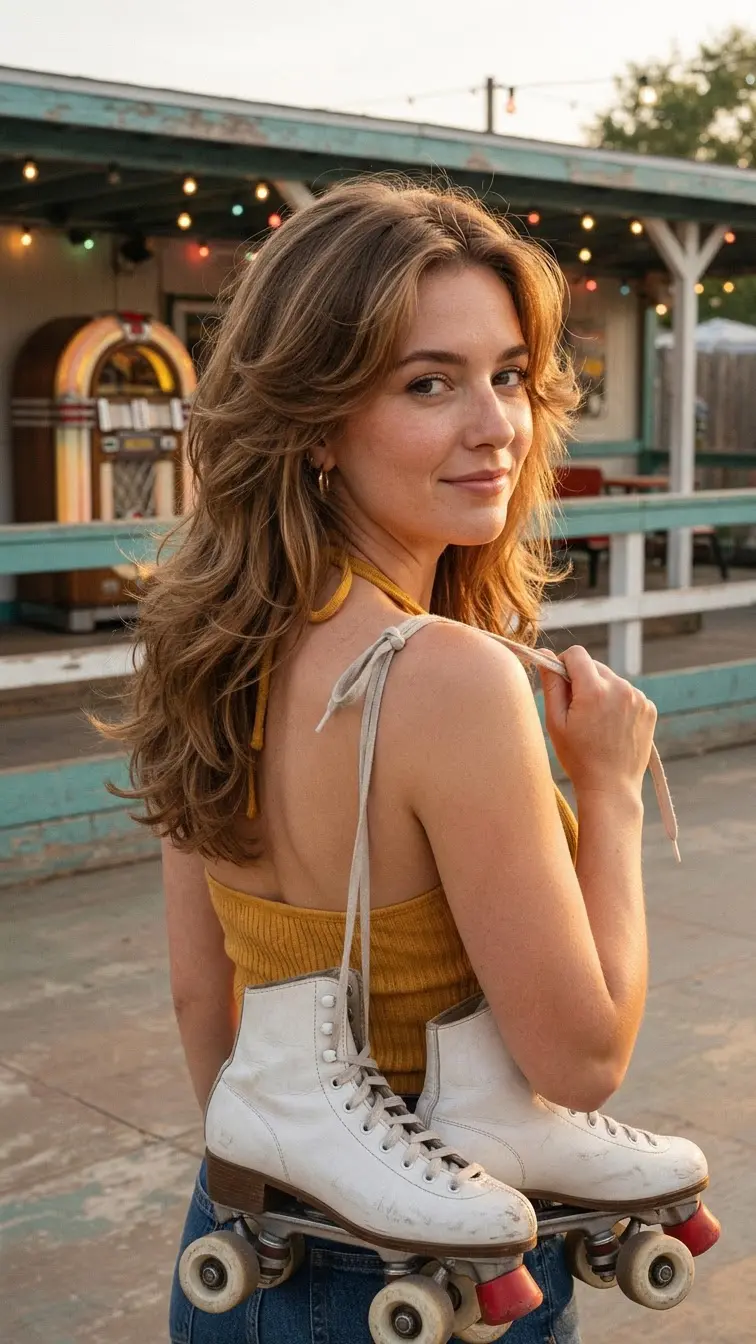
Feathered layers are cut at a steep angle and brushed back from the face, so they look like soft wings on each side.
To get the sweep at home:
- Rough dry until your hair is mostly dry.
- Roll each front section up and back with a medium round brush.
- Hit each section with the cool shot button for a few seconds.
- Flip your head upside down and shake out the roots.
Thick hair holds this shape far better than thin hair, often right into the next day. Add gold hoops and a little bronzer and the whole look comes together.
8. Ghost Layers Under a Blunt Bottom Edge

Some people want that thick, healthy looking blunt edge at the bottom but hate how it hangs like a single heavy sheet. Ghost layers handle both problems.
The stylist slices soft layers into the middle and lower sections, then leaves the very bottom blunt. Standing still, it reads as one strong line. When you turn to grab your bag off the back of a chair, the inside moves and the ends swing.
Quick tip: ask for the cut on dry, straightened hair so the stylist can see exactly where the weight sits.
9. Slide Cut Layers for Swingy Straight Hair

Slide cutting looks a little scary from the chair. The stylist glides open scissors down the hair instead of snipping straight across.
The result is long, blended layers with no hard lines, which matters on straight thick hair because every line shows.
Why it is worth booking:
- The ends stay full instead of looking thinned out
- Hair falls into place after a quick blow dry
- Grow out looks natural for months
Not every stylist does it well, though. Scroll through a stylist’s photos before you book, and ask whether they slide cut on dry hair.
10. Long Layers for Thick Wavy Hair, Cut Dry
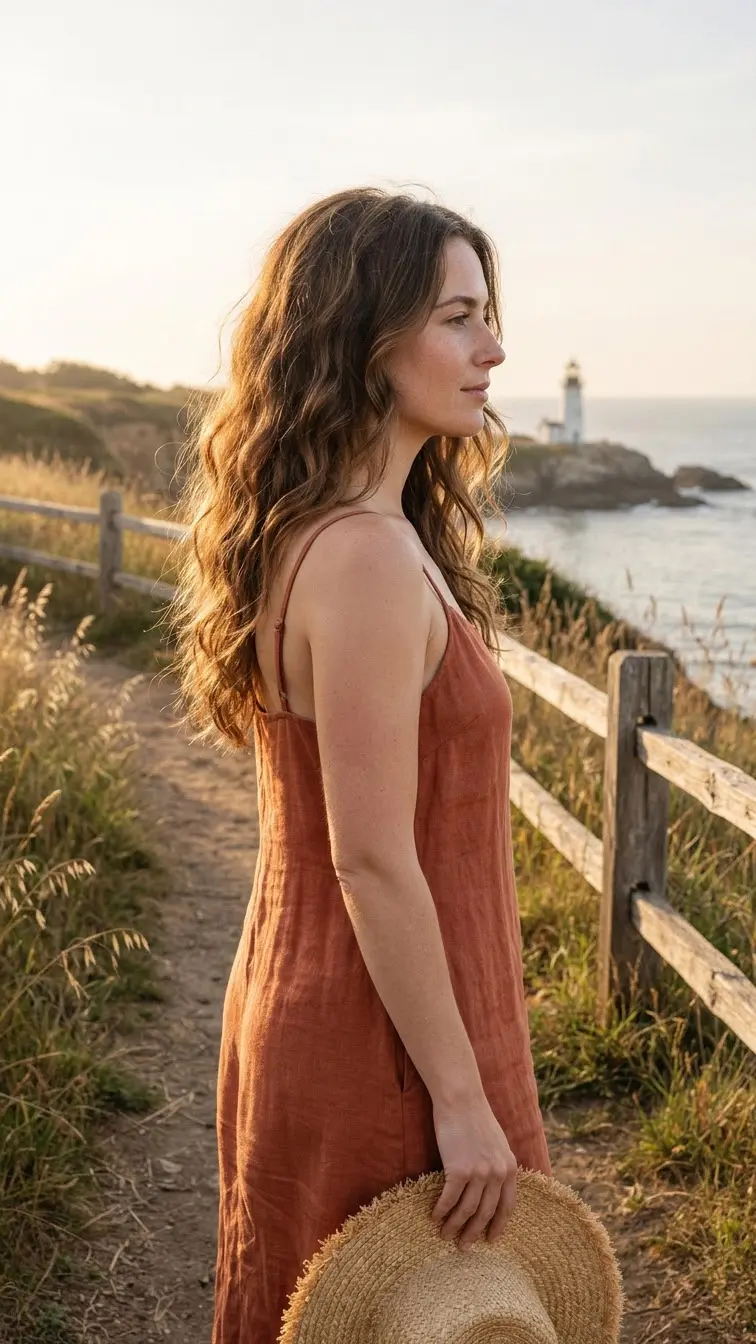
Wavy hair shrinks and bends once it dries, so layers cut on wet, combed hair can land in strange places. A dry cut fixes that.
Wear your hair to the appointment the way you normally style it. The stylist cuts each wave where it naturally falls and removes weight from the spots that clump together, usually behind the ears and at the nape.
After the cut, scrunch in a curl cream while your hair is soaking wet. Leave it alone until it is fully dry, then scrunch out the crunch.
Your waves will finally match on both sides.
Show up with clean, dry hair styled the way you wear it every day.
Point out the spots that always puff, tangle, or go flat.
Brushing out your waves right before you sit in the chair.
Letting thinning shears go near the ends of your waves.
11. Rounded Layers for Long Thick Curls
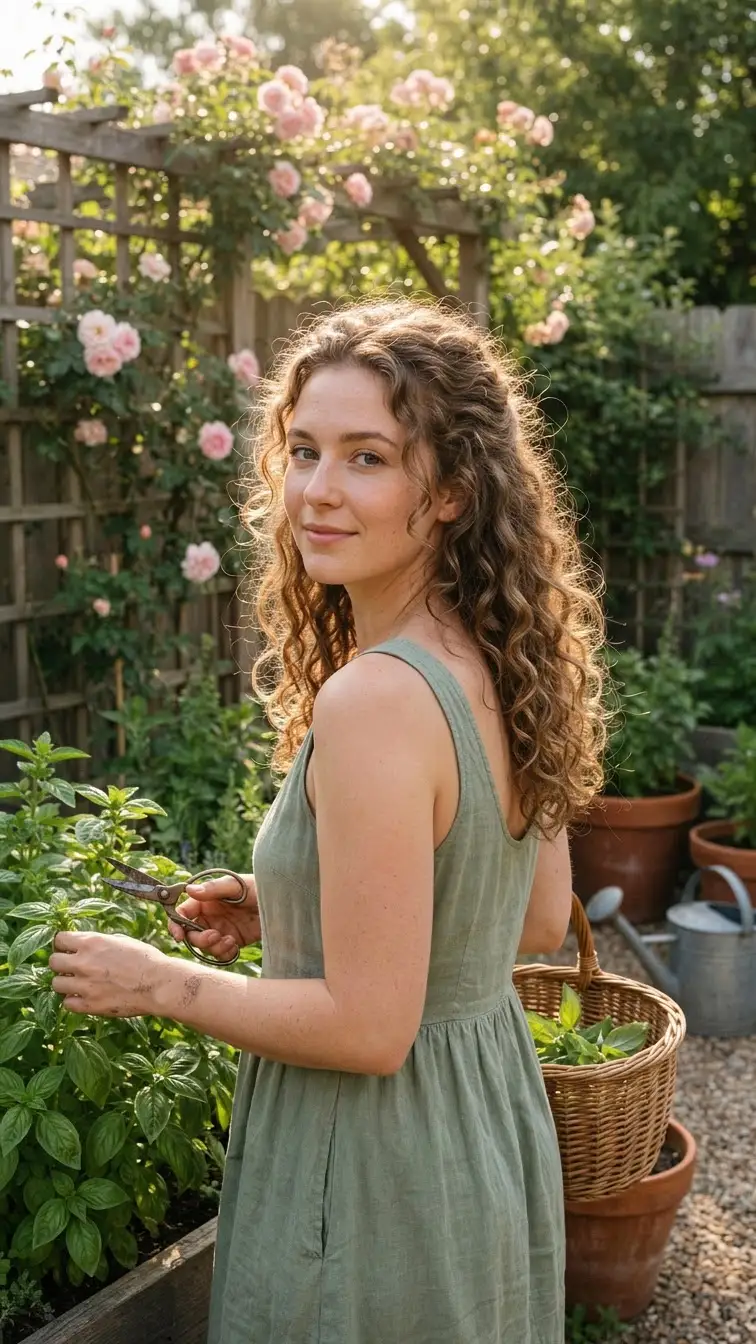
The most common mistake with long thick curls is cutting them into a triangle, flat on top and huge at the bottom.
Rounded layers fix that by placing shorter curls around the crown and stepping the length down gradually toward the back. Each curl gets space to spring up instead of getting squashed under the curls above it.
Ask for:
- Curl by curl cutting on dry hair
- Shorter layers at the crown, not at the ends
- No thinning shears at all
Refresh on day two with a spray bottle of water mixed with a few drops of leave in conditioner.
12. Waist Length Layers With Swoopy Ends
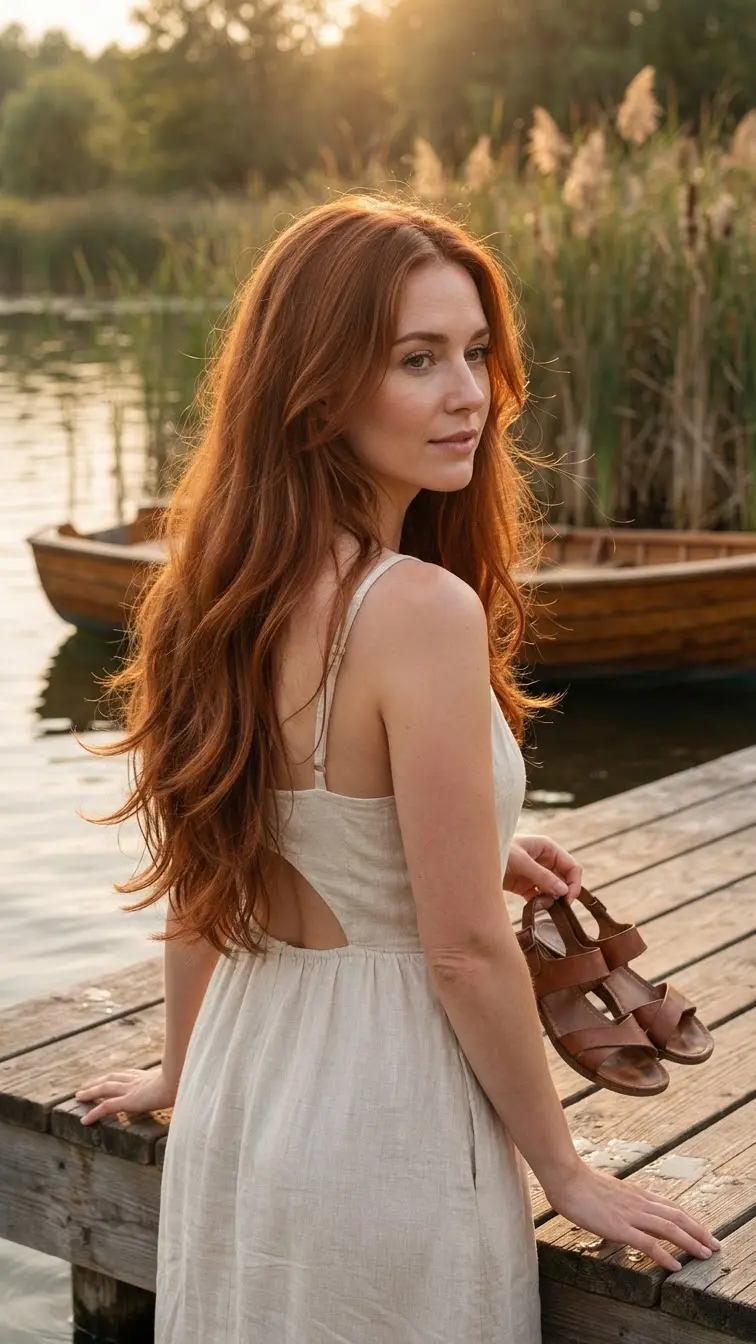
Very long hair can keep its length and still feel light, as long as the layers are spread out over a long stretch.
On waist length hair, layers usually start below the shoulder blades and fall in long, loose steps. The ends get swoopy curves when you blow dry them around a big round brush, which takes some of the heaviness off the bottom.
Keep in mind:
- A trim every three months keeps the ends from splitting
- A loose braid at night stops tangles at the nape
- A wide tooth comb is kinder than a paddle brush on wet hair
It looks polished with very little effort.
13. Long Layers With Side Swept Bangs

Side bangs picked up a dated reputation, but on long, layered thick hair they look fresh again, especially when they are cut long and soft.
The bang starts near the eyebrow on one side and blends into the face framing layers on the other. Thick hair gives the sweep enough weight to stay put instead of dropping into your eyes.
Dry the bangs first, before the rest of your hair, while they are still wet.
Brush them across in the opposite direction, then flip them back. That small trick builds a soft bend at the root.
Great for anyone with a stubborn cowlick at the front.
14. A Long Wolf Cut With Rough Texture
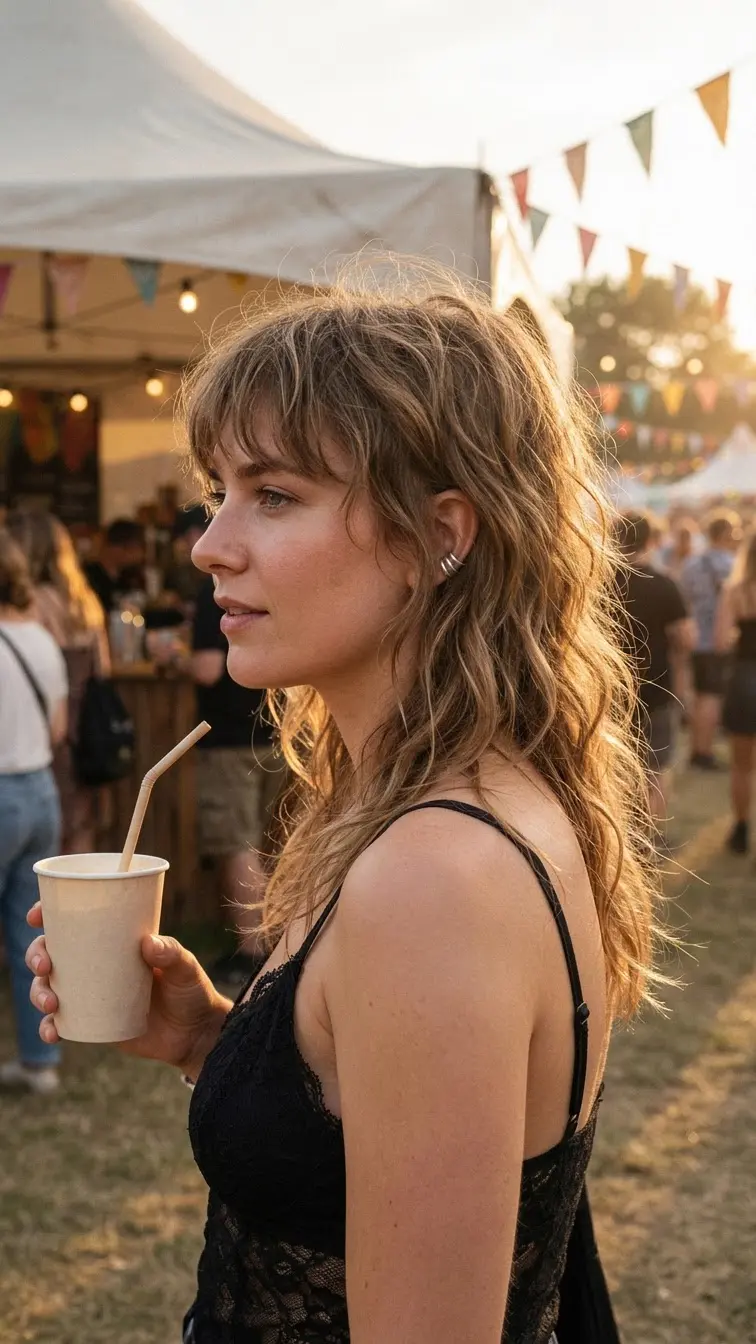
Heavy crown layers, a messy fringe, and long tapered pieces down the back. The long wolf cut sits somewhere between a shag and a mullet, only softer than both.
Thick hair is the best match for it. Thinner hair can look sparse at the bottom once the crown gets shortened, while thick hair still looks full all the way down.
Style it with:
- Texture spray at the roots
- A diffuser on low heat if you have any wave
- Your fingers, never a brush
Expect a little bedhead. That is the whole point, and it often looks better on day two than on day one.
15. Long Layers With a Hidden Nape Undercut
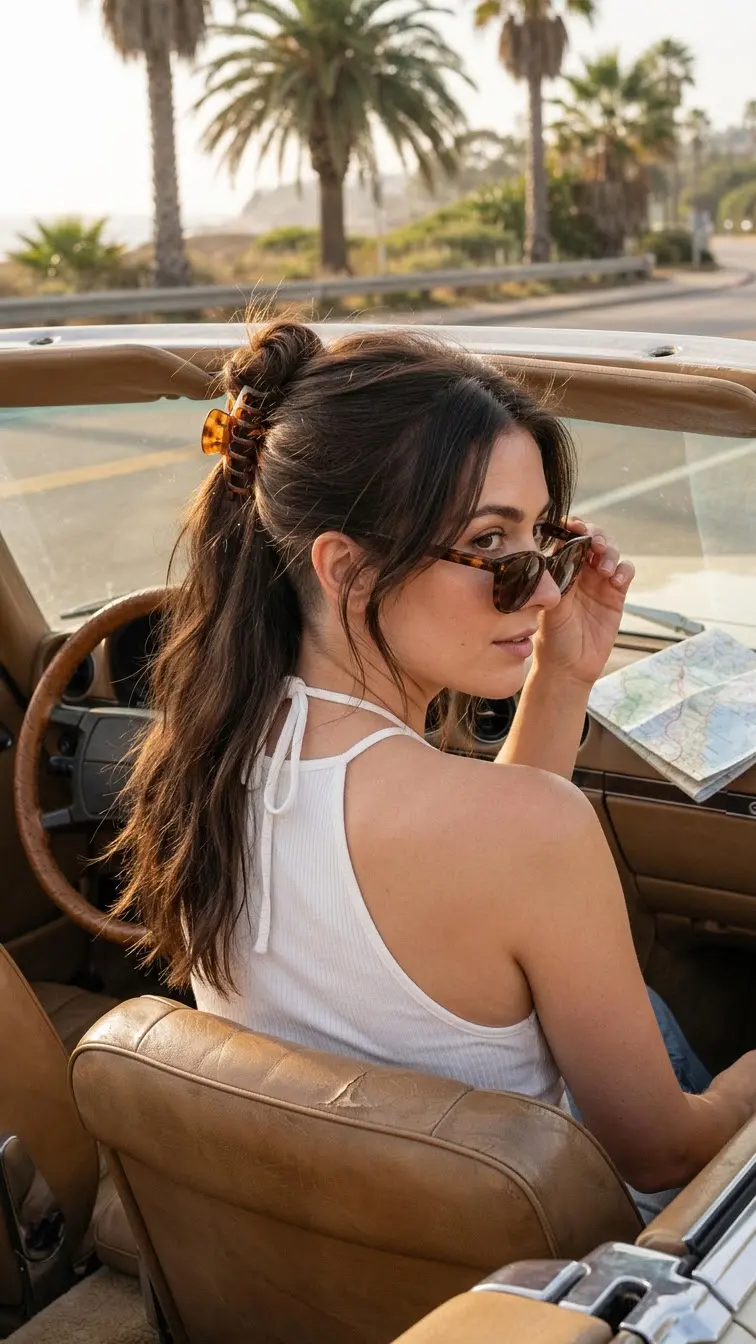
Sitting in a hot car with a heavy curtain of hair on the back of your neck is the kind of moment that makes people book a short cut on impulse. A nape undercut is the better answer.
The stylist clippers a small section at the base of the skull, under the top layers. With your hair down, nobody sees it. Twist it up and you get a neat little peek of short hair.
What changes:
- Your hair dries noticeably faster
- Ponytails sit lighter and higher
- Summer feels a lot cooler on your neck
Plan on a quick buzz every four to six weeks to keep it tidy.
16. Low Long Layers That Keep the Ends Full
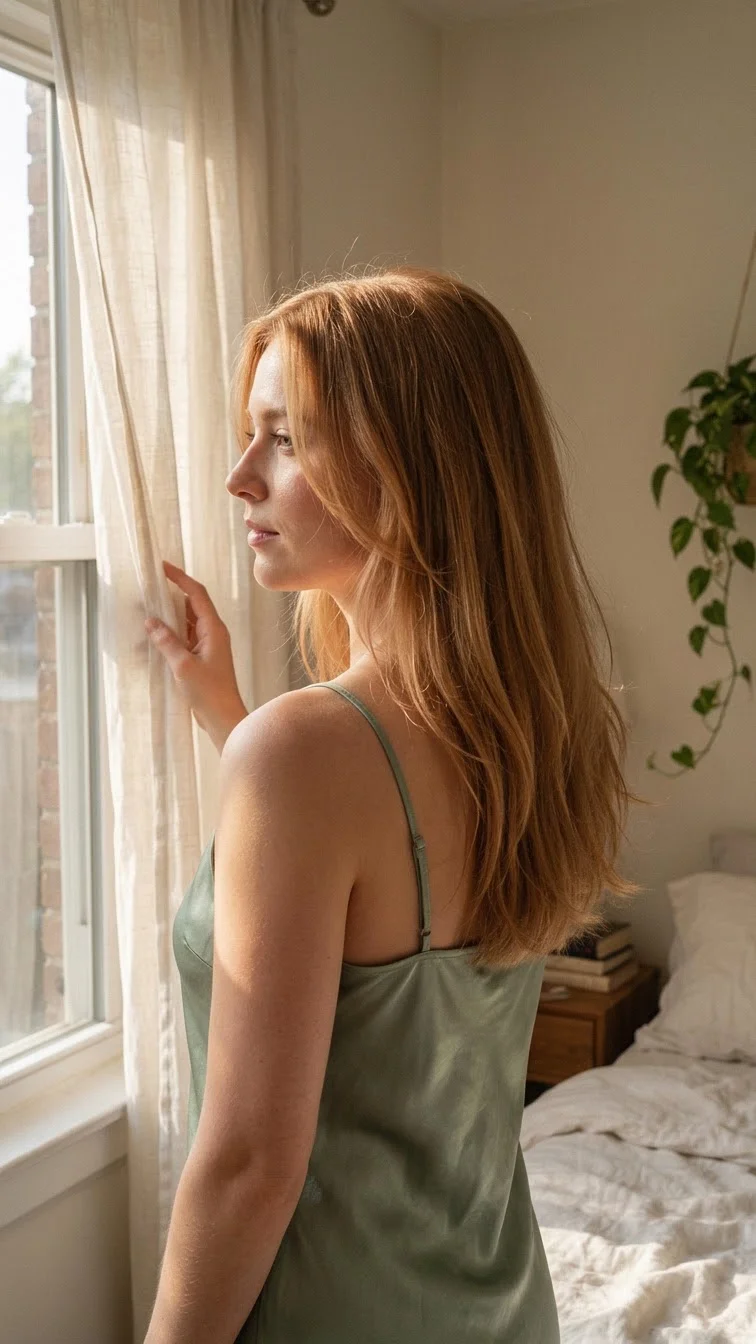
Here is a simple guide if you are attached to your length: the lower the first layer starts, the fuller your ends will look.
Low layers begin around the chest and keep most of the weight near the bottom. Thick hair still gets movement, but the ends never look wispy or see through.
This cut suits anyone growing out their hair, or anyone who got burned by a short layered cut before and wants to play it safe.
Bring a photo to the salon and point at the exact spot where you want the first layer to land.
17. Point Cut Ends for a Softer Edge
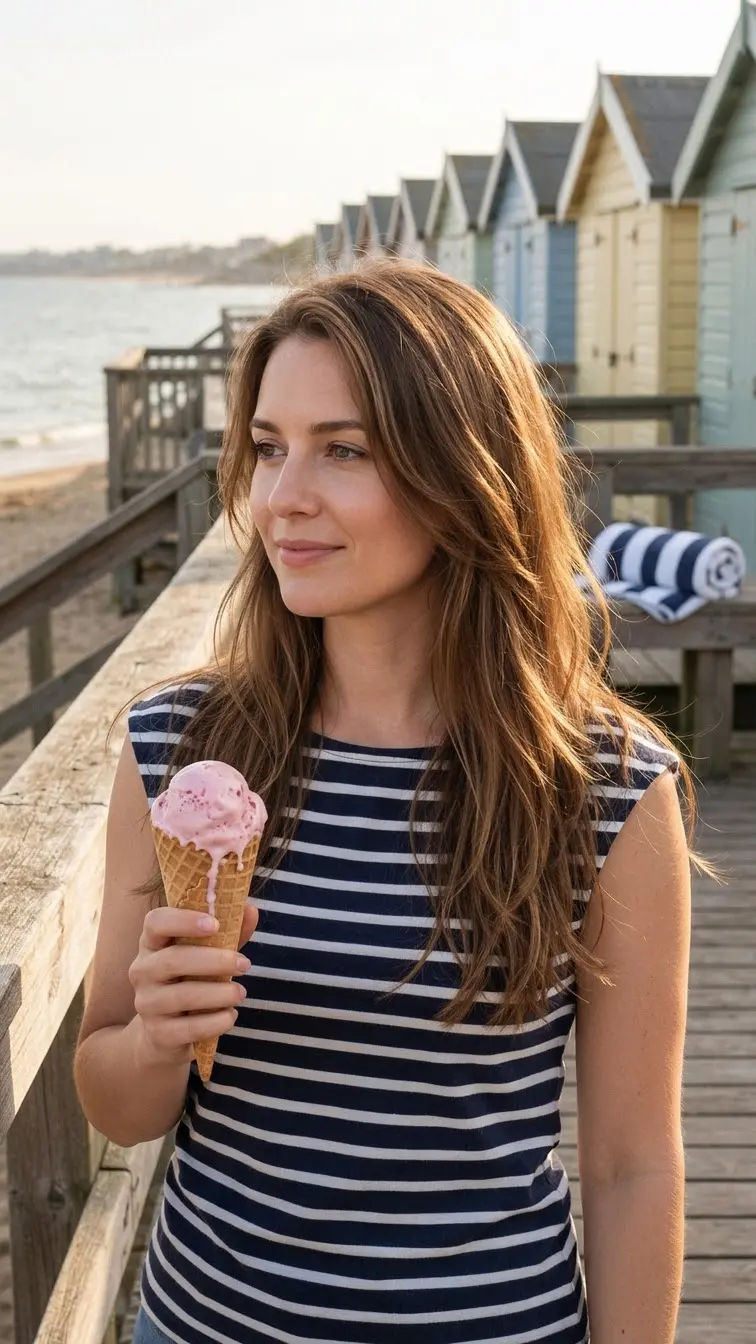
Point cutting happens near the end of the haircut. The stylist holds the ends between two fingers and snips into them vertically, which breaks up the hard line at the bottom.
On thick hair, that small step changes a lot. Blunt ends can look boxy, while point cut ends blend into each other and move when you walk.
Ask for it when:
- Your ends look heavy even right after a trim
- Your layers seem to stop in a visible line
- Your hair flips out stiffly at the shoulders
It adds maybe five minutes to the appointment, and it is often the difference between a cut that looks fine and one that looks finished.
18. Crown Layers for Lift at the Root

Thick hair can be flat at the root, which surprises a lot of people. The weight of all that length drags everything down, so the top lies close to the head while the bottom puffs out.
A few shorter layers at the crown take weight away right where you need lift. They get blended into the longer lengths, so you do not end up with a choppy top.
Quick tip: blow dry your crown first, lifting each section straight up with a round brush. Then dry everything else.
Best match: straight hair that looks flat by mid afternoon.
19. Long Layers With Bottleneck Bangs

Bottleneck bangs are narrow at the top and wider near the cheekbones, a bit like the outline of a bottle. They land somewhere between a full fringe and curtain bangs.
How they compare:
- Fuller than curtain bangs, so they cover more forehead
- Softer than a blunt fringe, with no hard line across the brows
- Easier to grow out, because the sides already blend into the layers
Thick hair can make any bang look heavy, so ask your stylist to take a little weight out from behind the bang.
A quick round brush blow dry keeps them neat all day.
20. Bouncy Nineties Blowout Layers
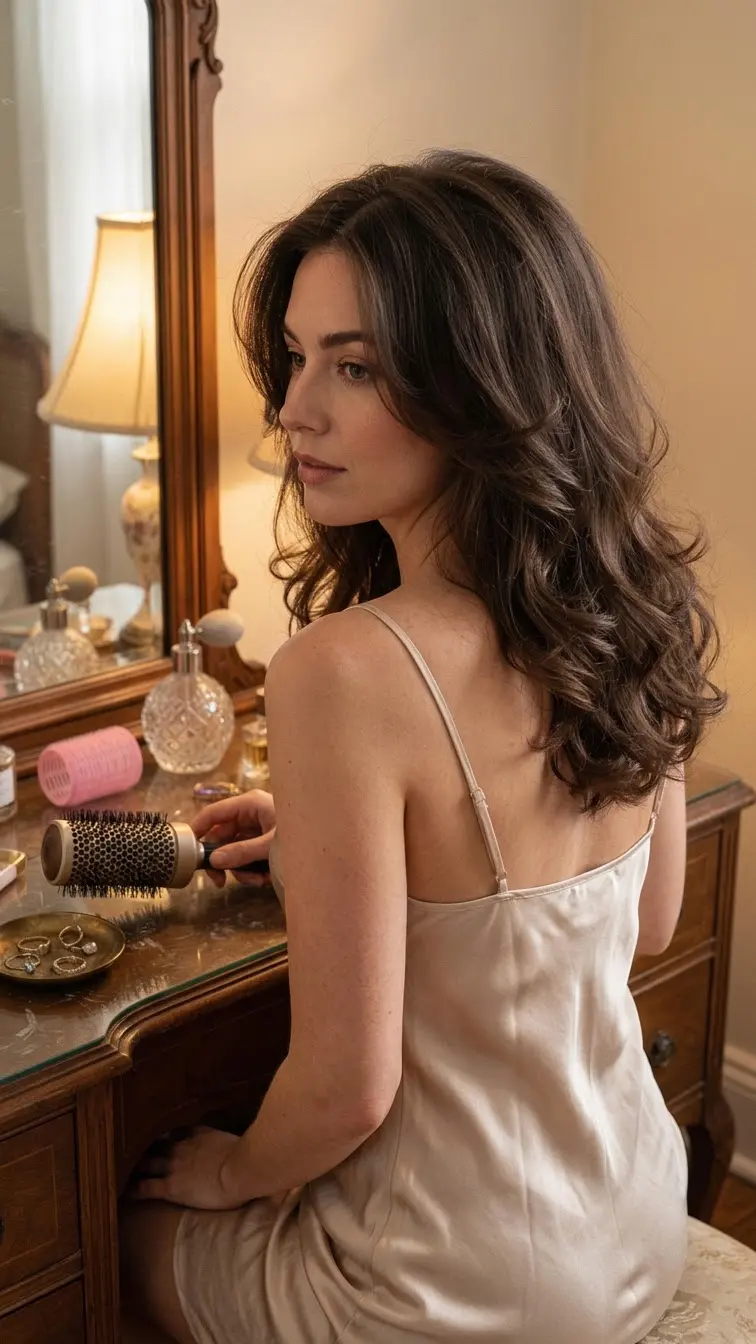
Long layers and a big round brush blowout belong together. The layers give your hair places to curve, and thick hair holds those curves longer than most people expect.
Ask for layers that start around the chin and continue all the way down, with plenty of face framing pieces.
At home:
- Rough dry until damp, not wet.
- Wrap large sections around a big round brush and dry them up and away from your face.
- Roll each warm section into a large velcro roller.
- Let them cool, then break up the curls with your fingers.
The bounce often lasts until wash day. Worth the twenty minutes.
Lighter, Swingier Hair Without Losing Length
Thick hair does not need to be chopped short to feel easy. It needs weight taken out in the right spots and a shape that lets it move.
Start with your biggest complaint. If your hair pushes out at the sides, ask about internal layers. If it looks flat on top, crown layers are the fix. If you love your length and get nervous around scissors, low layers or a soft U shape are the safest place to begin.
The right long layers for thick hair should make your mornings shorter and leave your hair feeling lighter on your neck well into the evening.
Pin this list to your hair board and pull it up in the chair at your next salon appointment.