
Winter hair has a look. Dry ends that snag on your scarf, a part that has been flattened by a beanie since December, and a length that grew out without any plan at all. By March, most of us catch our reflection in a shop window and think, okay, something has to change.
The tricky part is knowing what kind of change. A big chop feels exciting in the salon chair and scary by the next morning. A basic trim fixes the ends but leaves you looking exactly the same.
Good spring haircuts sit in the space between. They take off the damage the cold left behind, add movement so hair feels lighter, and shape the cut around how you will actually wear it: air dried, tucked behind your ears, or thrown up under a sunhat by May.
Below are 20 cuts, some small refreshes and some full resets. Each one comes with what to ask your stylist and who it suits best, so you can walk into your appointment with a clear idea instead of a vague “just something different.”
1. Soft Curtain Bangs on Long Layers
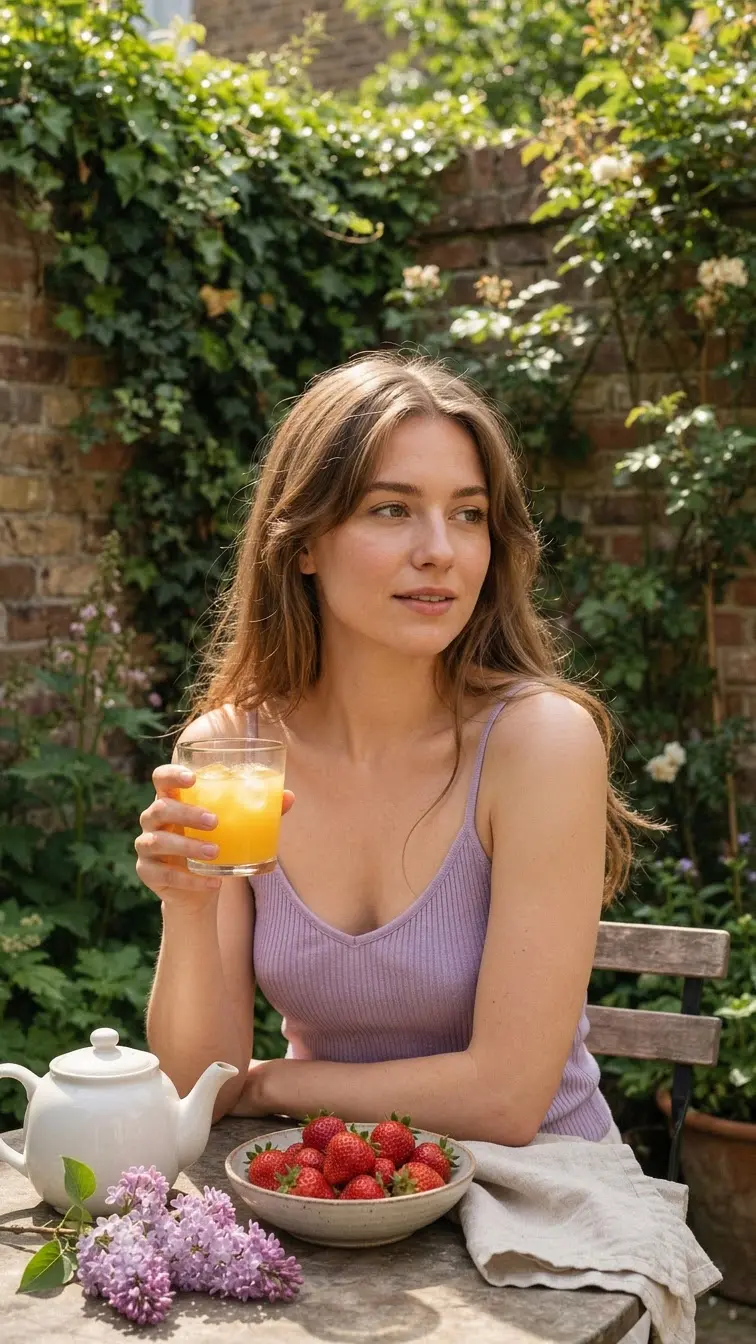
The easiest way to look different without losing length.
Curtain bangs open in the middle and sweep to each side, so they frame your face instead of covering it. Ask your stylist to start them at about the bridge of your nose and blend them into cheekbone layers. That blend is what keeps them from looking like a separate piece glued on.
Why they work so well in spring:
- They grow out gracefully into face framing layers
- They hide a forehead that still looks pale from winter
- They take about two minutes with a round brush
Quick tip: Dry them with the brush pulling up and away from your face, not down.
2. Butterfly Cut With Feathered Ends
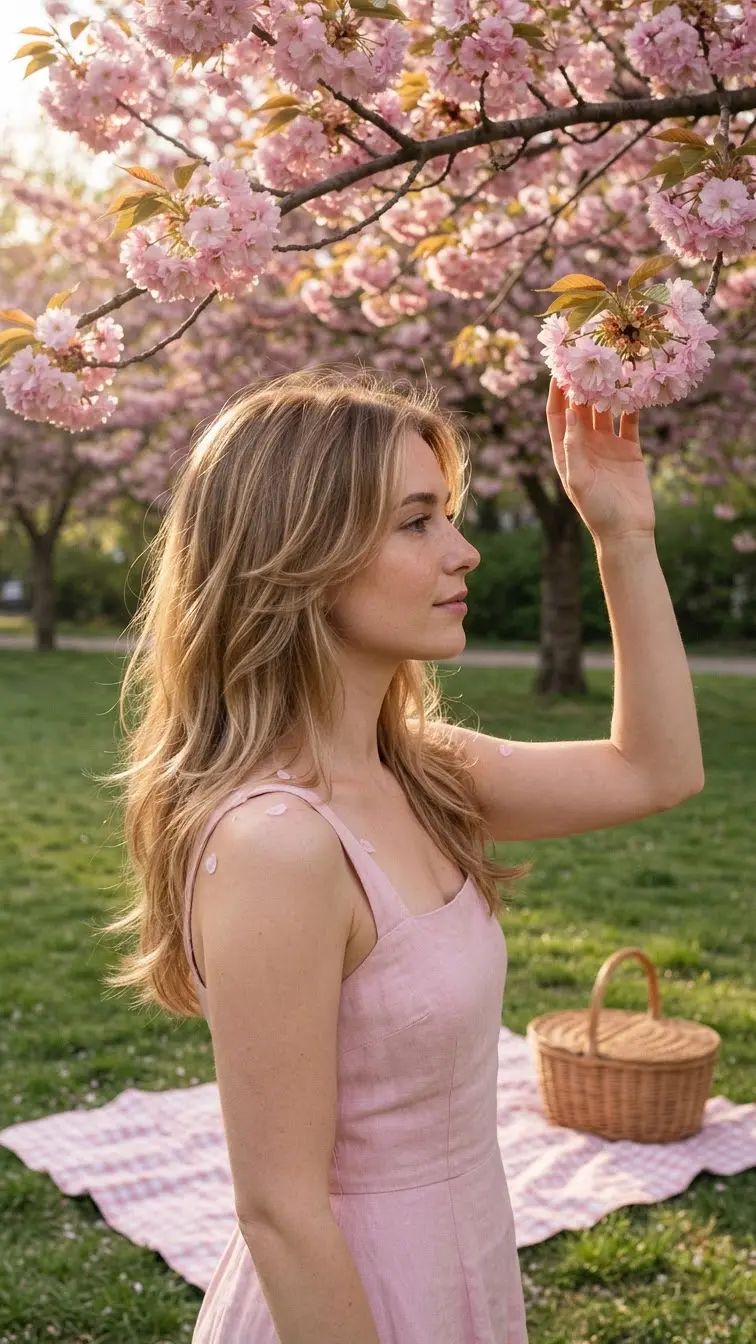
Short layers in front, long layers in back. That contrast is the whole trick.
A butterfly cut stacks shorter pieces around the face so they flip outward like wings, while the back keeps most of its length. You get the bounce of a shorter cut and still have enough hair for a ponytail on lazy days.
It does best on medium to thick hair with a bit of natural wave. On very fine hair, the long layers can look stringy at the ends, so ask your stylist to keep the back fuller.
Styling takes a big round brush and five extra minutes. Skip that, and it simply looks like nice long layers, which is not a bad fallback.
3. Collarbone Lob With Invisible Layers

Most people think a lob needs visible layers to have movement. It does not.
Invisible layers are cut inside the hair, under the top section, so the outside still looks like one smooth length. The weight comes out from the middle, which means the ends swing instead of sitting in a heavy block.
What to tell your stylist:
- Length right at the collarbone, slightly longer in front
- Internal layers only, nothing short around the face
- Soft point cut ends, not a hard blunt line
This is the cut for anyone who loves clean, simple hair but hates how flat it gets by the end of winter.
4. The Spring Dusting That Removes Winter Damage

Not ready for anything new? Start here.
A dusting removes only the split and frayed tips, often less than half an inch. Your stylist twists small sections and snips the broken ends that poke out, or trims the very edge of the hemline. The length stays almost exactly where it is.
It sounds minor. In the mirror, it is not. Dry ends make hair look thin and tangled at the bottom, and clearing them makes the whole length look thicker.
Good to know: Book it after you stop wearing scarves and hats every day. Friction from wool and collars is a big part of winter breakage.
Ends feel rough and catch on sweaters. The bottom inch looks see through. Tangles form at the nape every night, and hair tucks into a clip because nothing else holds a shape.
Same length, cleaner edge. Ends look fuller and comb through without snagging. Hair holds a wave or blowout longer, and a ribbon or clip sits on smooth hair instead of frizz.
5. Chin Length Italian Bob With Soft Volume

Visual detail first: thick, rounded ends that look like they were set with big rollers, a soft part, and a lot of shine. That is the Italian bob.
It sits right at the jaw and is cut with blunt but slightly beveled ends, so the bottom curves under on its own. The fullness comes from the cut, not from teasing.
Who it suits:
- Thick or medium hair that can hold a round shape
- Oval and heart shaped faces
- Anyone who wants a polished look with little daily effort
Fine hair can wear it too. Ask for the length a touch shorter so the ends do not drag down.
6. Toned Down Wolf Cut for Grown Out Hair

Quick mistake people make: asking for a full wolf cut when they really want something softer.
A classic wolf cut has heavy choppy layers on top and a thinner, longer back. Great on wavy hair, harsh on straight hair. The toned down version keeps the crown layers but blends them more gradually, so the shape looks lived in instead of dramatic.
It is a smart move when your hair grew out with no shape over winter. The stylist builds layers into the length you already have.
Air dry with a light mousse and scrunch. That is honestly all it needs.
7. Face Framing Ribbons on One Length Hair

Keep the length. Change only the front.
Face framing pieces are a handful of longer layers cut around your face, usually starting somewhere between the chin and the collarbone. The rest of the hair stays one length. It is the smallest cut on this list that still makes people ask if you did something new.
Where they should start depends on your goal:
- At the chin to show off cheekbones
- At the jaw to soften a square face
- At the collarbone for the subtlest change
Tuck them behind your ears when you want a cleaner look. They will fall back into place by lunch anyway.
8. Tousled Bixie With a Fuller Crown

Half bob, half pixie. The bixie lives right in between.
The sides sit around the ear or a little lower, the nape is short and tidy, and the top stays long enough to tousle. Ask for extra length at the crown so it does not go flat. That fullness is what makes it look modern instead of severe.
Here is the routine:
- Rough dry with your fingers
- Rub a pea sized bit of paste between your palms
- Pinch the top pieces and push them in different directions
Great for anyone sitting on the fence about going really short. It grows into a cute bob in a few months.
9. Long U Shaped Cut With a Soft Hemline

Long hair looks best from behind when the ends do something. A straight blunt line can look heavy. A V shape can look thin at the point.
A U shape sits in the middle. The sides are a bit shorter and the center of the back is longest, with a smooth curve between them. It gives long hair a soft, intentional edge, especially when you wear it down with an open back top as the weather warms.
Ask for: a soft U, not a sharp one, with light layers starting below the shoulder. The curve should look natural, not like a craft project.
10. Bottleneck Bangs With Mid Length Layers

Think of a glass bottle. Narrow at the top, wider at the bottom.
Bottleneck bangs start short and thin at the center of the forehead, then fan out longer around the eyes and cheekbones. They feel more noticeable than curtain bangs but less committed than full blunt bangs.
Paired with mid length layers, they make an easy everyday cut. The layers should start around the chin so the bangs flow into them.
Small warning: they need a quick blow dry every morning. Sleep on them wet and they will separate oddly in the middle.
11. Rounded Curly Shag for Spring Curls
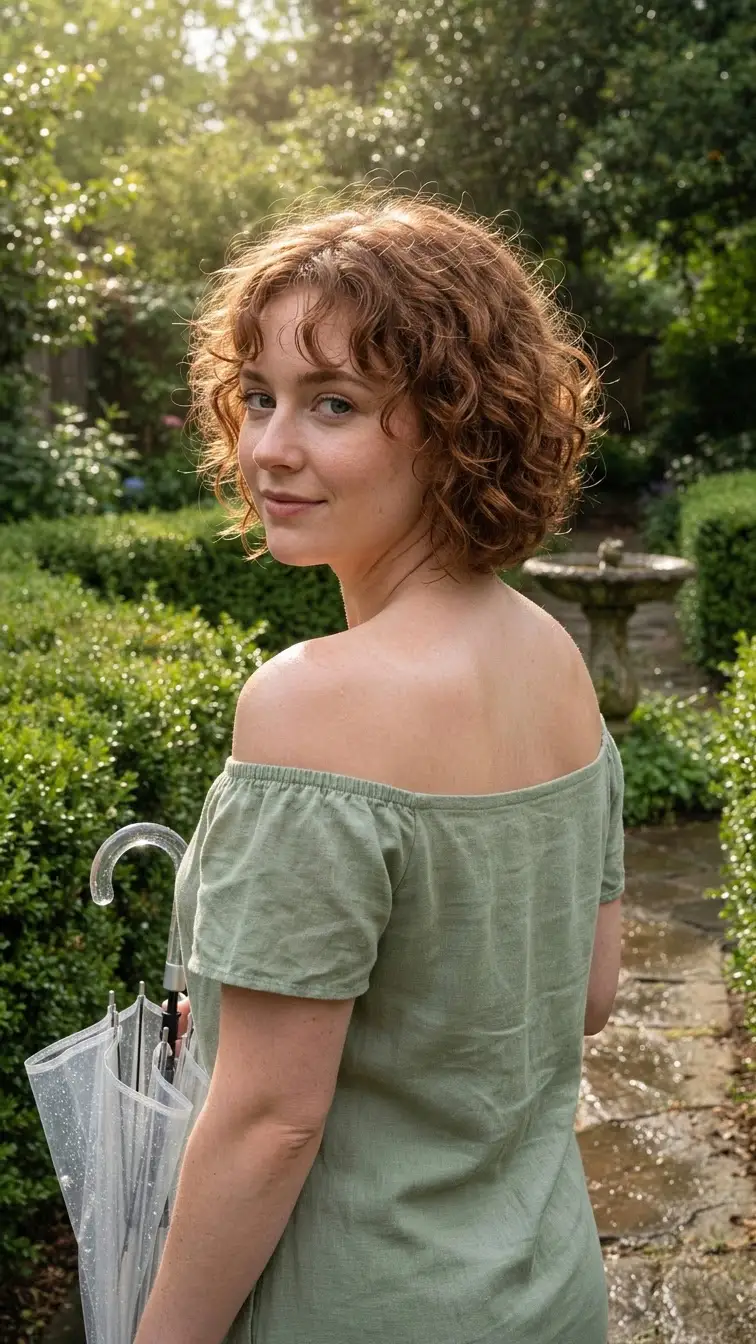
Problem first: curly hair that grew all winter turns into a triangle. Flat on top, wide at the bottom.
A curly shag fixes that by cutting layers curl by curl, usually on dry hair, so the shape builds height at the crown and tapers at the sides. Curtain bang curls up front keep it soft.
Spring humidity is the real test for curls, so the cut has to be built for frizz days, not just good days. Find a stylist who cuts curly hair dry. Ask how they shape the crown before you book.
12. Soft Pixie With a Side Swept Fringe

Some women spend years wondering if they could pull off a pixie. Spring, when hats come off and necklines open up, is the season to find out.
The soft pixie keeps a longer fringe that sweeps across the forehead and tucks behind one ear. The sides and nape are short but not buzzed, so it looks gentle rather than sharp.
What surprised me most when friends went this short: they started wearing earrings again. A pixie puts the focus on your face, neck, and ears.
Plan on a trim every five to six weeks. The shape loses its edge fast.
13. Angled Bob That Grows Out Well

Comparison time. A regular bob is the same length all around. An angled bob is shorter at the back and longer toward the front.
That slope matters more than it looks. As the back grows out, it catches up with the front, so the cut still looks balanced at eight or ten weeks instead of shaggy.
Ask for: a gentle angle of about one inch, not a dramatic stacked back. Steep angles need trims every month. A soft one gives you more breathing room between appointments, which is nice when spring weekends fill up fast.
14. Ghost Layers for Fine Hair That Falls Flat

Fine hair has a frustrating problem. Visible layers make it look thin, but no layers make it look flat.
Ghost layers are the answer. They are cut underneath the top layer, so you never really see them. What you see is bounce and movement while the outer length still looks full and solid at the bottom.
Things that help this cut shine:
- A volumizing spray at the roots only
- Drying upside down for one minute
- Skipping heavy oils on the lengths
Not sure your hair is fine? Wrap a ponytail with an elastic. If it goes around three or more times, it probably is.
15. Shoulder Grazing Cut With Flipped Ends

Hair that hits the shoulders has a habit of bending in random directions. This cut leans into it.
The length sits right at the shoulder with light layers around the ends, so they flip outward instead of folding under. It reads playful and a little retro, which suits floral prints and lighter jackets.
How to style the flip:
- Blow dry straight with a paddle brush
- Take a flat iron to the last two inches
- Turn the iron outward, then release slowly
Lazy version? Let it air dry and push the ends out with your fingers and a drop of cream. Less defined, still cute.
16. French Bob With Brow Skimming Bangs

Tiny rule for the French bob: it should look a little imperfect.
The length lands between the cheekbone and jaw, shorter than most bobs. The bangs touch the brows and are cut softly, so they move when you blink. The ends are left a bit uneven on purpose.
That undone quality is why it works for busy mornings. Wash, rough dry, and go. Over styling it with a round brush actually makes it look dated.
Best on straight to slightly wavy hair with medium thickness. Very curly hair will pull it much shorter once it dries.
17. Korean Hush Cut With Wispy Layers
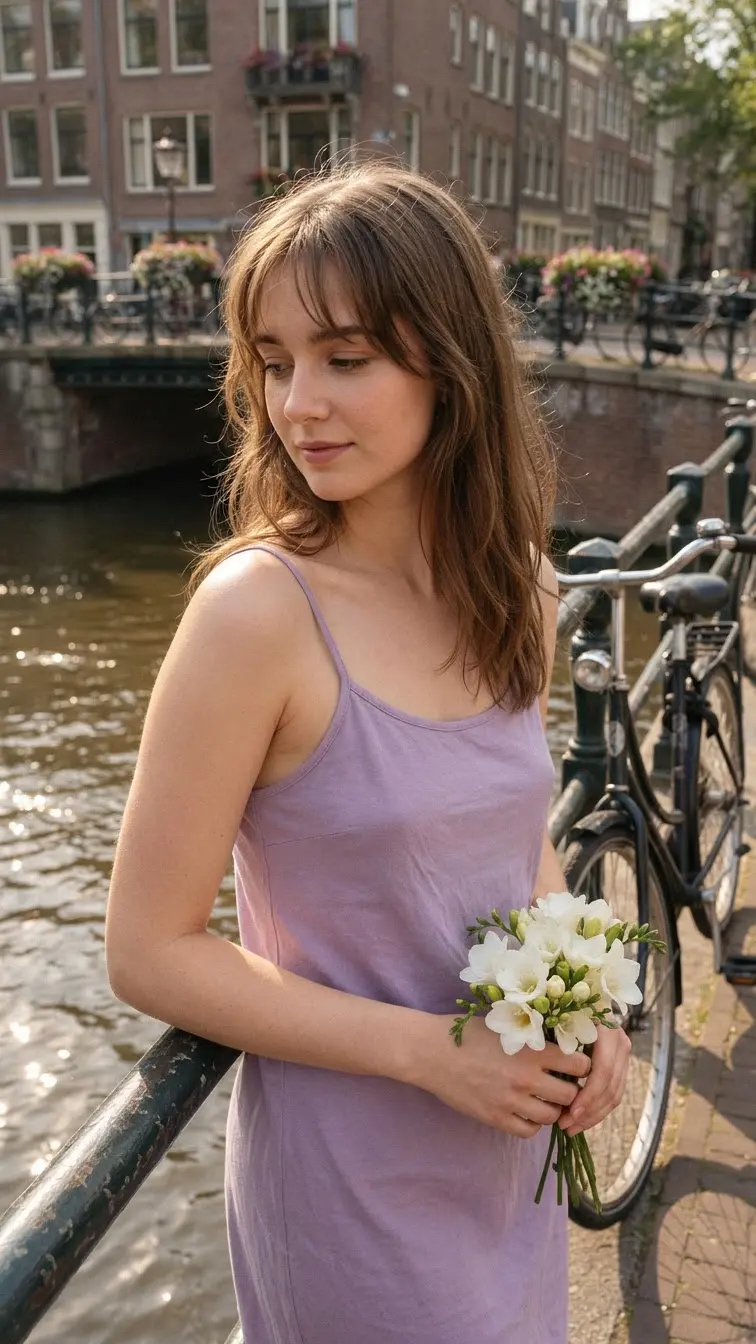
Benefit first: this cut makes heavy hair feel light without losing length.
The hush cut uses lots of soft, wispy layers through the whole head, with feathery pieces around the face. The ends are thinned out so they look airy rather than blunt. It is popular in Korean salons and pairs well with see through bangs.
It suits thick, straight hair best. On thin hair, all that texturizing can leave the ends looking sparse.
Bring two photos showing the layers from the side, not only the front.
Ask for texturizing on the lengths and ends, starting below the chin.
Style with a light C curl using a large round brush.
Letting a razor thin the hair right at the root, which causes frizz as it grows.
Choosing it for very fine hair that already looks thin at the ends.
Piling on heavy serum, which glues the wispy pieces together.
18. Wavy Mid Length Shag Built for Air Drying
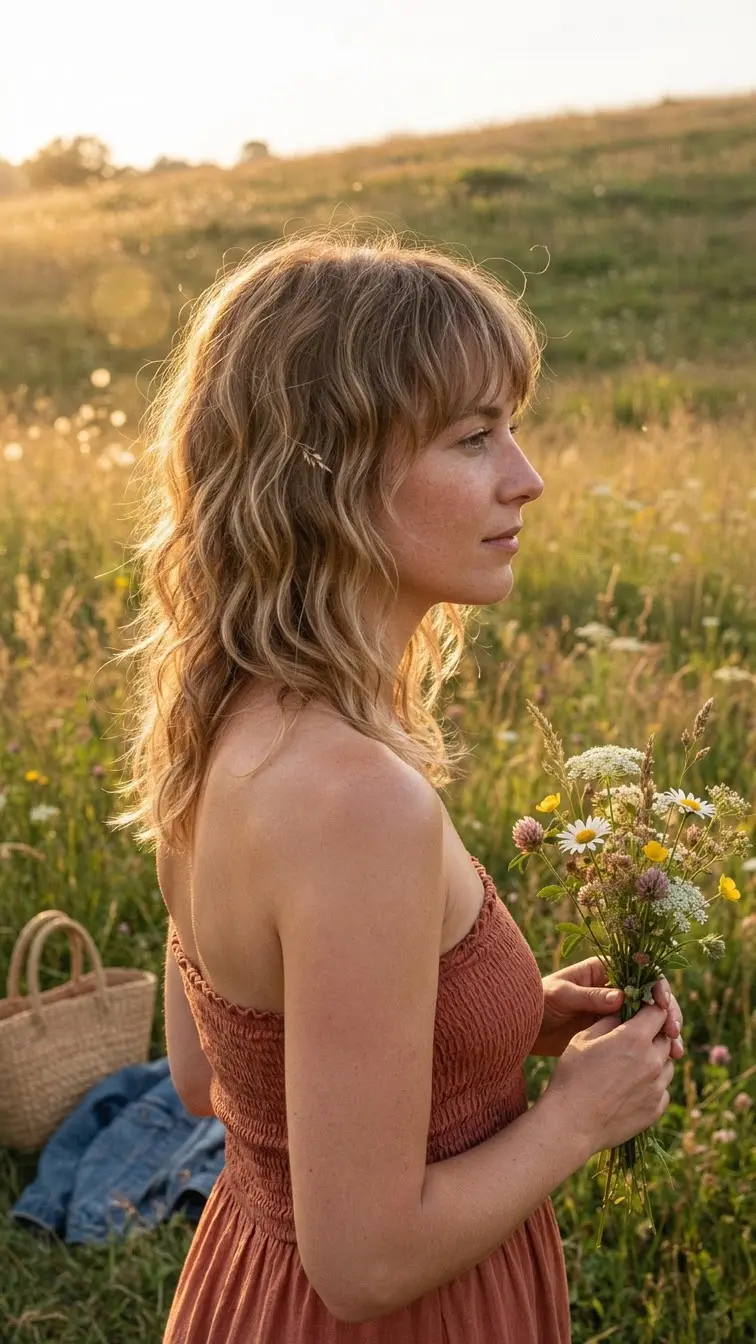
Personal observation: the women with the best spring hair are rarely the ones blow drying every day. They have cuts that look good wet and messy.
This shag is built for that. Short layers at the crown help waves form higher up, and the mid length keeps it from getting heavy. Your natural bend does most of the work.
Wash day routine:
- Squeeze out water with a cotton T shirt
- Rake in a wave cream
- Leave it alone until fully dry
Touching it while it dries is the fastest way to frizz. Hands off.
19. Grown Out Bangs Turned Into Side Swept Layers
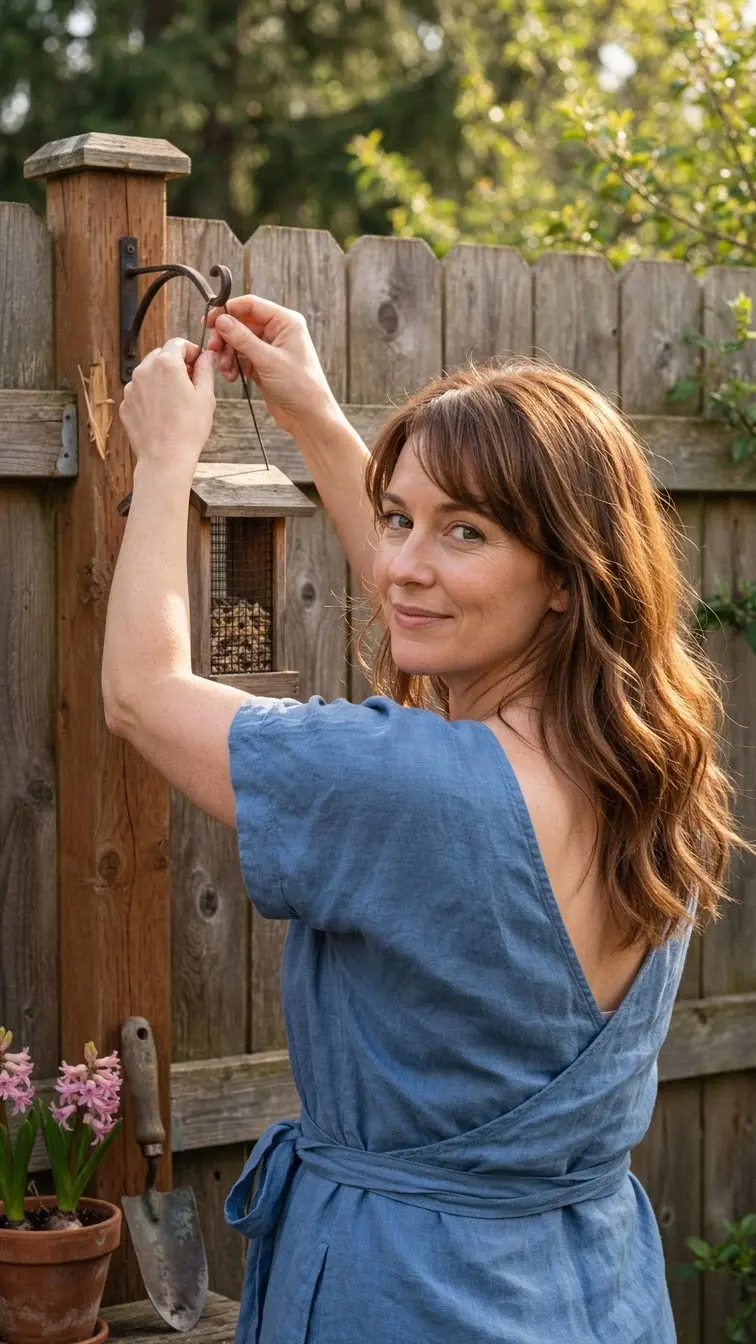
Cut bangs back in January? They are probably in that awkward, poking into your eyes length now.
Instead of pinning them back for three more months, ask your stylist to blend them into side swept layers. The longest bang piece becomes the start of a layer that runs down the side of your face. Suddenly the in between length looks intentional.
Quick tip: Part your hair slightly off center and blow dry the bangs across, from the part toward the opposite side.
Works on almost any length below the shoulders.
20. Textured Chin Bob That Handles Spring Rain
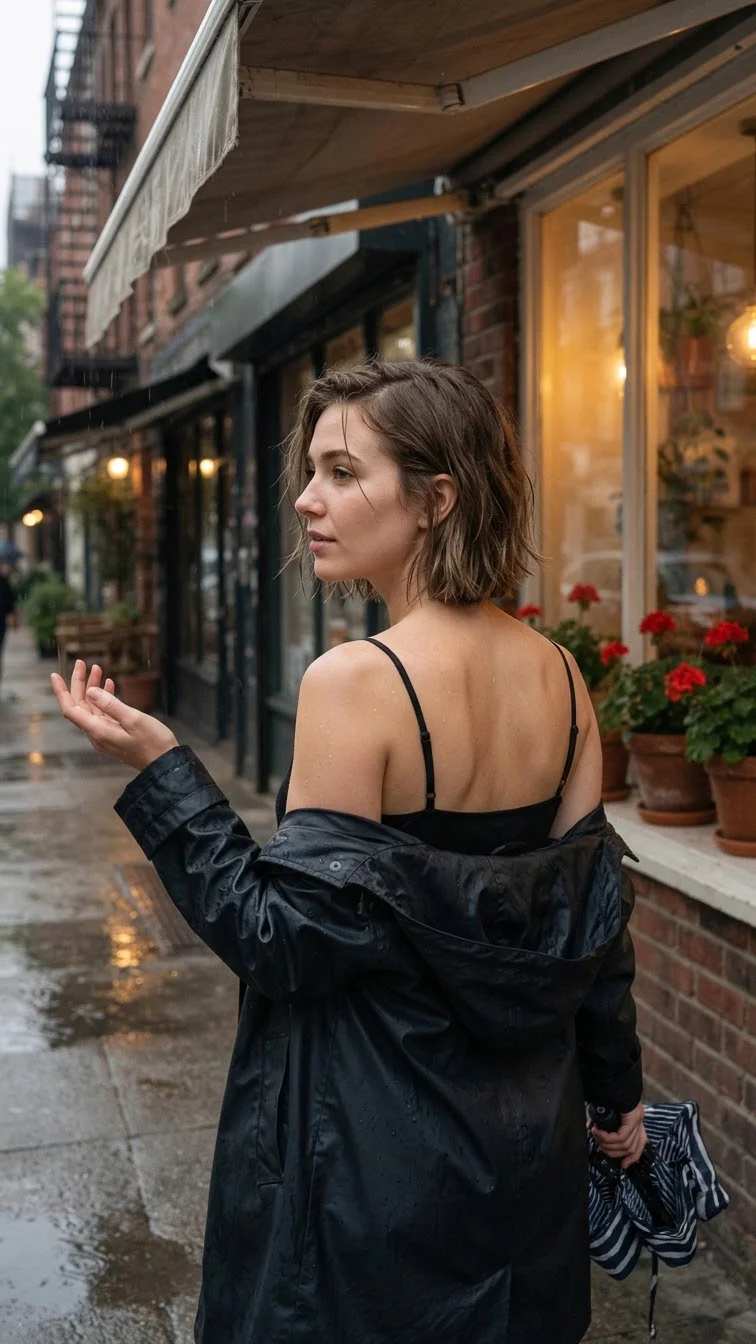
Smooth bobs and April showers do not get along. One drizzly walk and the polish is gone.
A textured chin bob skips the polish from the start. The ends are point cut and choppy, so a little frizz or wave just adds to the look. If you get caught without an umbrella, it looks more piecey, not ruined.
Finish with a sea salt spray or dry texture spray, then twist a few random pieces with your fingers. Ten seconds.
It fits women who want short hair with zero blow dry guilt.
Your Fresh Start Is One Appointment Away
Winter asks a lot of your hair. Dry heat, wool collars, hats, and months of putting it up because nothing else worked. Spring is a good excuse to give it a real reset.
The best cut is the one that fits how you live. If you air dry most days, pick a shape that works with your texture. If you love polish, choose a cut that holds it without a fight.
Screenshot two or three of these spring haircuts, show your stylist the front and the back, and be honest about how much time you spend on your hair each morning.
Save this list to your spring hair board so it is ready the day you finally book that appointment.