By March, most hair looks a little tired. Months of indoor heat, wool hats, and grey skies leave color flat, brassy, or just darker than you remember choosing.
Then the first warm afternoon shows up, and suddenly you want your hair to match it. Lighter, softer, a bit brighter. The trouble is that “lighter” can mean a dozen things, and asking for it with no clear picture is how people walk out with stripy highlights or a blonde that feels borrowed.
These spring hair color ideas are here to close that gap. You will find soft blondes, warm strawberry and copper shades, easy brunette refreshes, a few pastels, and gentle options for curls and early grey. Each one comes with notes on who it suits, how much upkeep to expect, and what to actually say to your colorist.
Screenshot the two or three that make you pause. They will do more work in the chair than any description you could give.
1. Strawberry Blonde That Reads Peachy in Daylight
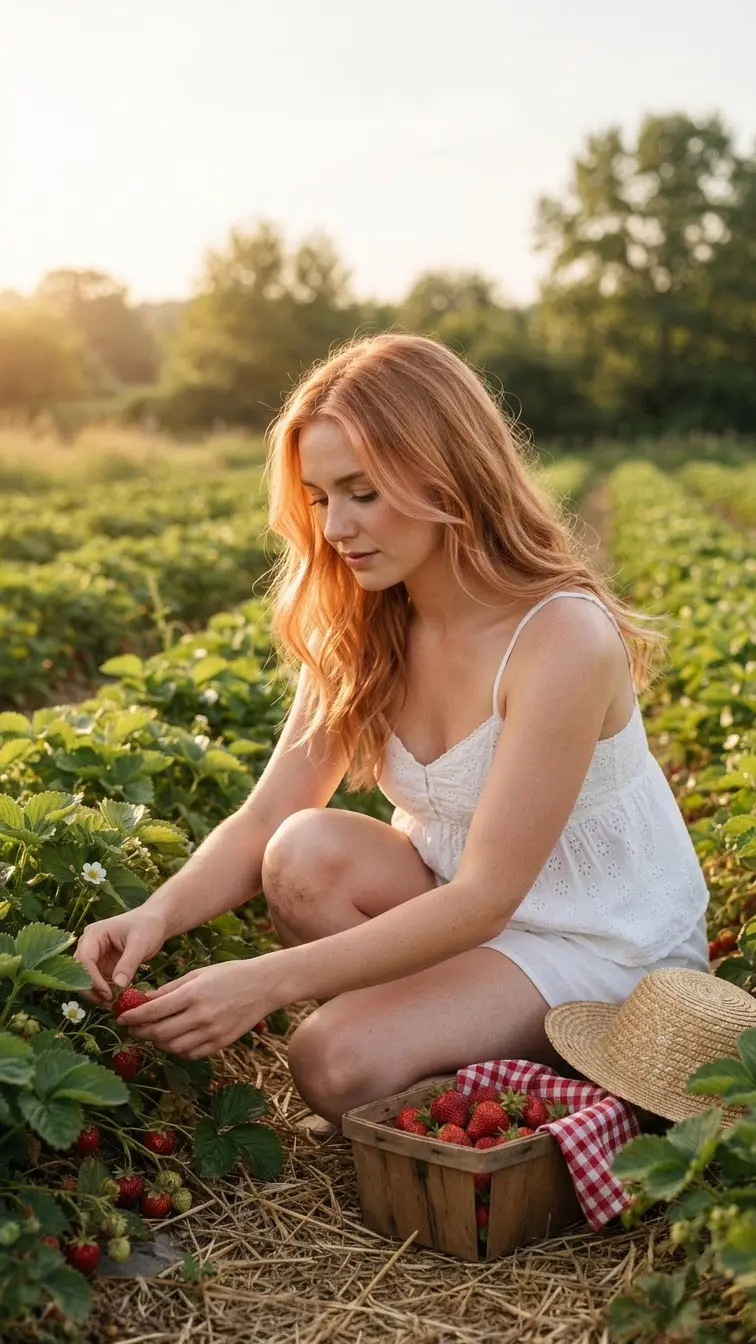
Strawberry blonde sits right between golden blonde and light copper. In soft spring light it looks peachy, almost like a ripe apricot.
Ask your colorist for:
- A golden blonde base, not a cool one
- A light copper gloss over the top
- Slightly deeper pieces near the nape so it doesn’t look flat
It suits fair and light skin with pink or peach undertones best. Natural blondes can often get there with one gloss. Brunettes usually need lightening first, so plan for two visits.
Quick tip: Red tones fade first. A color depositing conditioner once a week keeps it from washing out to plain yellow.
2. Butter Blonde That Stays Warm and Soft
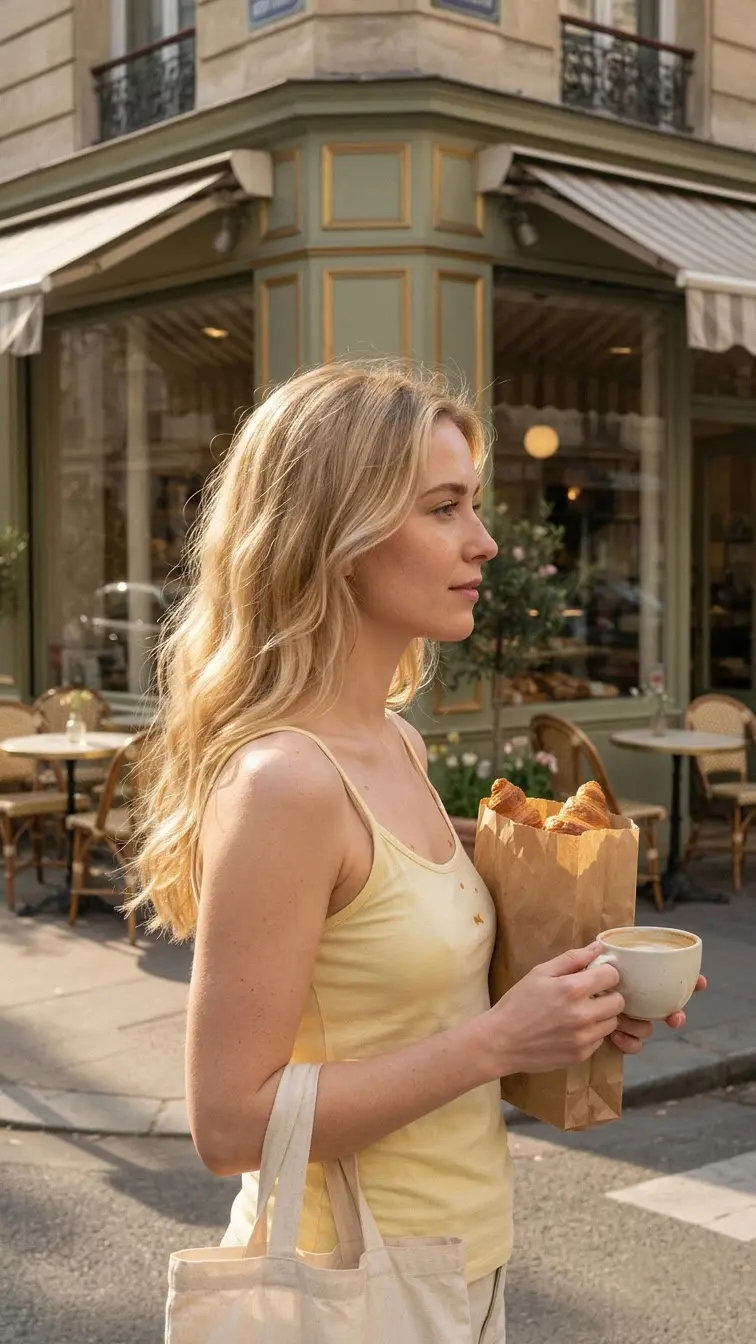
Winter blonde often turns brassy or dull, and the usual fix is a cold, icy toner. Butter blonde goes the other way. It is a soft, creamy yellow blonde, like real butter left out on the counter.
Why it works in spring:
- The warmth catches daylight instead of looking grey.
- Grow out is gentler because the tone is close to natural blonde.
- It looks good with no makeup, which matters on lazy weekend mornings.
Skip purple shampoo on this one. It cancels out the very warmth you paid for.
Best on light to medium skin, and on hair that is already a light blonde.
3. Rose Gold Blonde With a Sheer Pink Wash
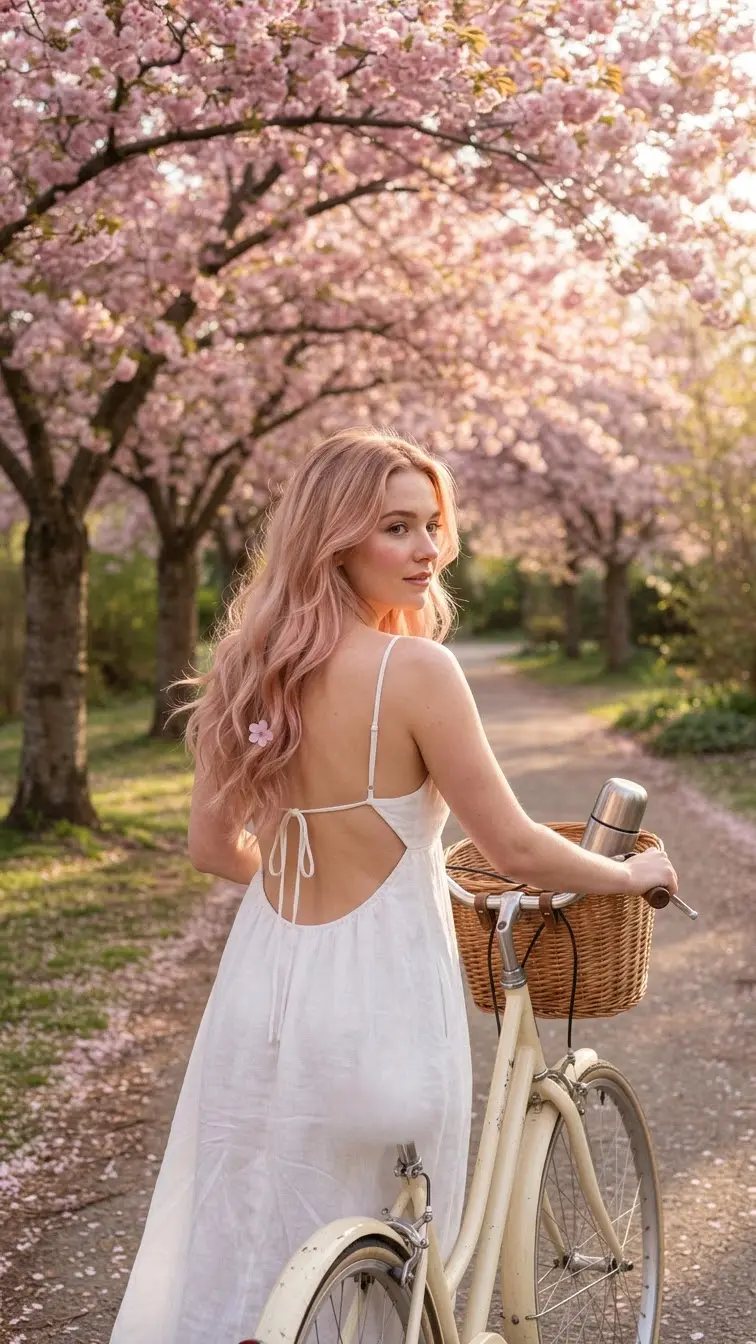
Here is the rule for rose gold: keep the pink lighter than you think.
A strong pink reads as a fashion color. A sheer one over pale blonde reads as a warm glow that people can’t quite name, and that is the whole charm.
What it takes:
- Hair lightened to a pale blonde first
- A pastel rose toner mixed with a little gold
- Cool water rinses, because hot water strips pink fast
Expect it to fade within a few weeks. Plenty of people like the faded, peachy stage even more.
A spoonful of pink conditioner mixed into your regular one stretches it nicely between salon visits.
4. Honey Balayage Painted Over Medium Brown
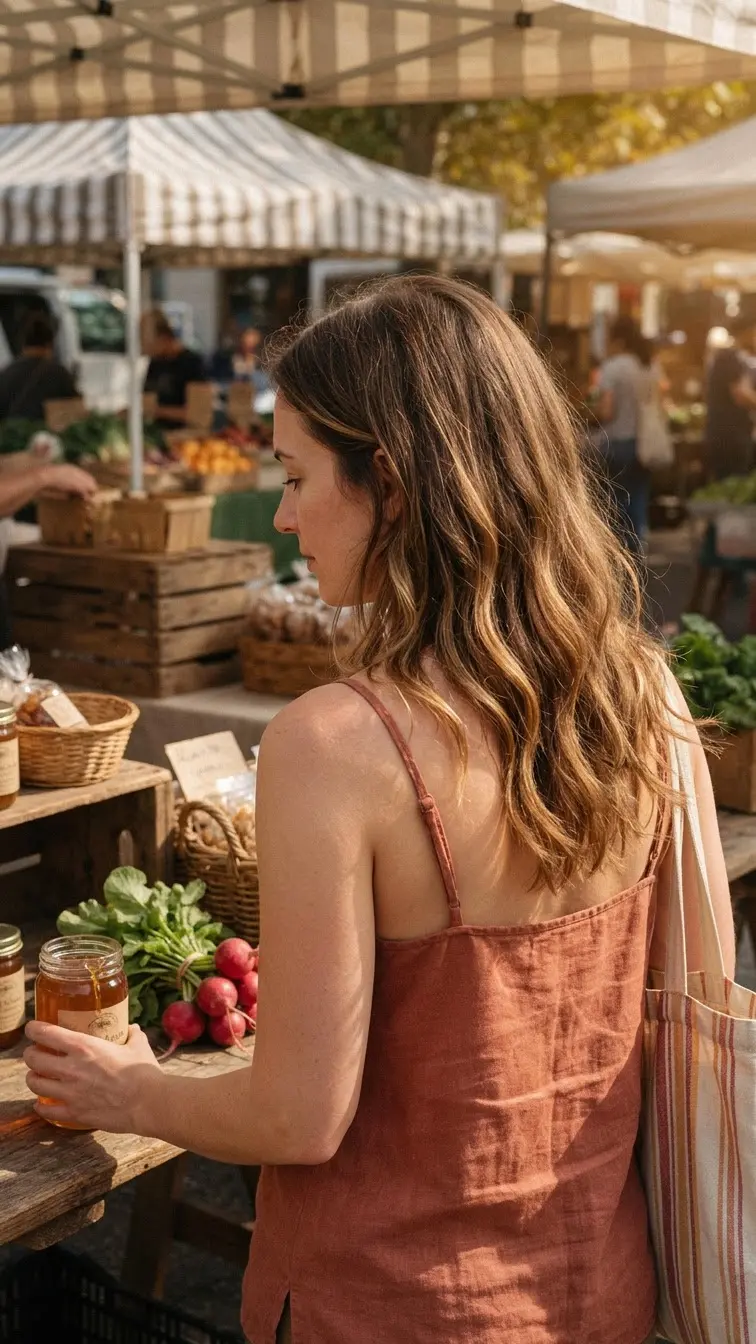
Foils and balayage both lighten hair, but they grow out very differently.
Foils give even, stripy lines that start close to the root. Balayage is painted on by hand, starting a few inches down, so the grow out is soft and blurry.
For honey balayage on brown hair:
- Keep the roots your natural brown
- Ask for wider sweeps around the face and thinner ones at the back
- Choose a golden honey tone, not ash
It is a smart pick for anyone who only sees a colorist two or three times a year. The brown roots just look like part of the plan.
5. Apricot Copper That Glows Without Going Orange
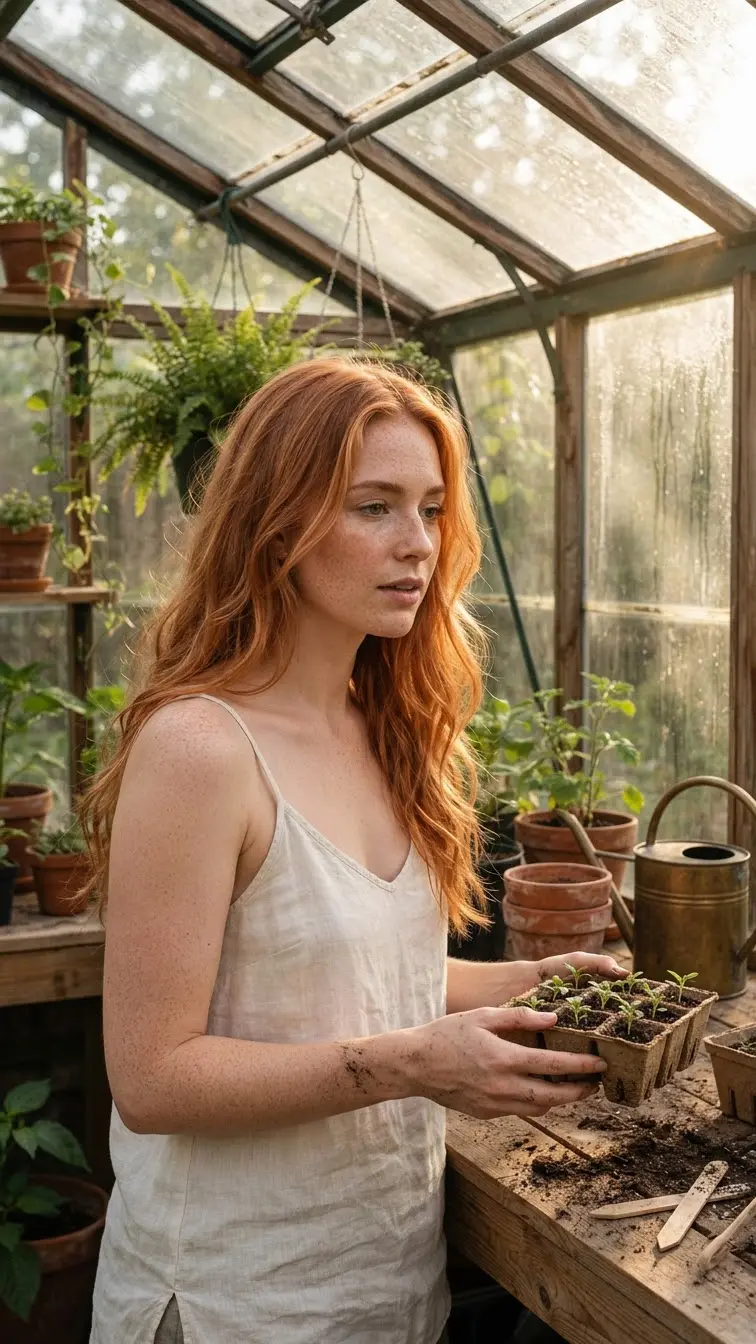
The biggest mistake with spring copper is going too bright, too fast. Apricot copper is lighter and softer than a classic copper, with a little peach mixed in.
It looks best when the color is a touch deeper at the roots and lighter at the ends. That shading keeps it from turning into one flat orange sheet.
Ask for:
- A light copper base with a peach gloss
- Soft, natural depth at the root
- A slightly brighter face frame
Freckles look lovely with it. So do green and hazel eyes.
Copper fades faster than most shades, so the care routine matters more here than almost anywhere else on this list.
Wash in cool water, two or three times a week at most.
Use a sulfate free shampoo and a copper tinted conditioner.
Wear a hat or a UV hair spray on long sunny days outside.
Clarifying shampoo, which pulls copper out quickly.
Pool water without wetting and coating your hair first.
Hot tools on high heat, which dull the tone.
6. Champagne Babylights Woven Through Light Brown
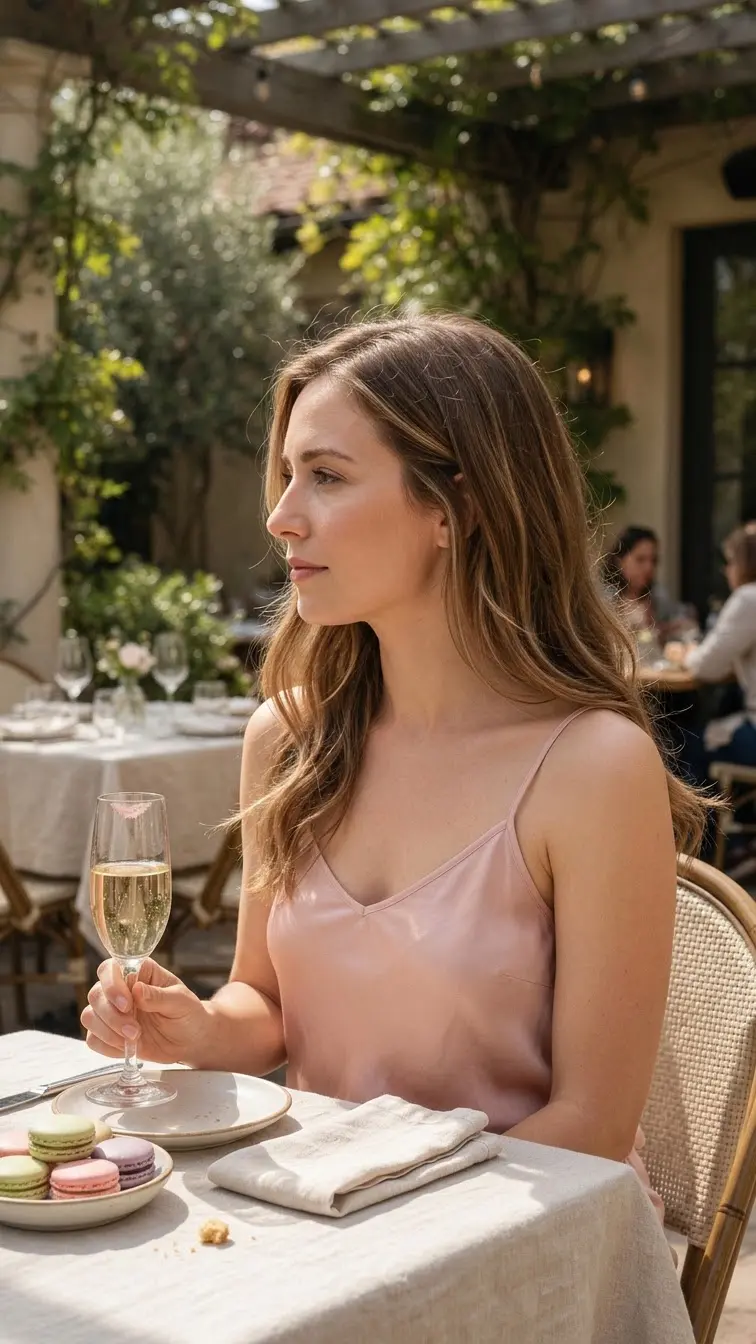
Babylights are tiny, fine highlights, so thin they mimic the way kids’ hair lightens in the sun. Champagne is a pale blonde with a soft beige shimmer, not yellow and not ash.
How to ask for it:
- Bring a photo of light brown hair with very fine, scattered highlights.
- Say you want them woven thin and close together.
- Ask for a champagne toner at the sink.
- Request no chunky pieces near the part.
The result reads like brighter brown hair, not like highlights. Book a long slot, often a full afternoon, because the sections are so small.
7. Caramel Money Piece on Dark Brunette Hair
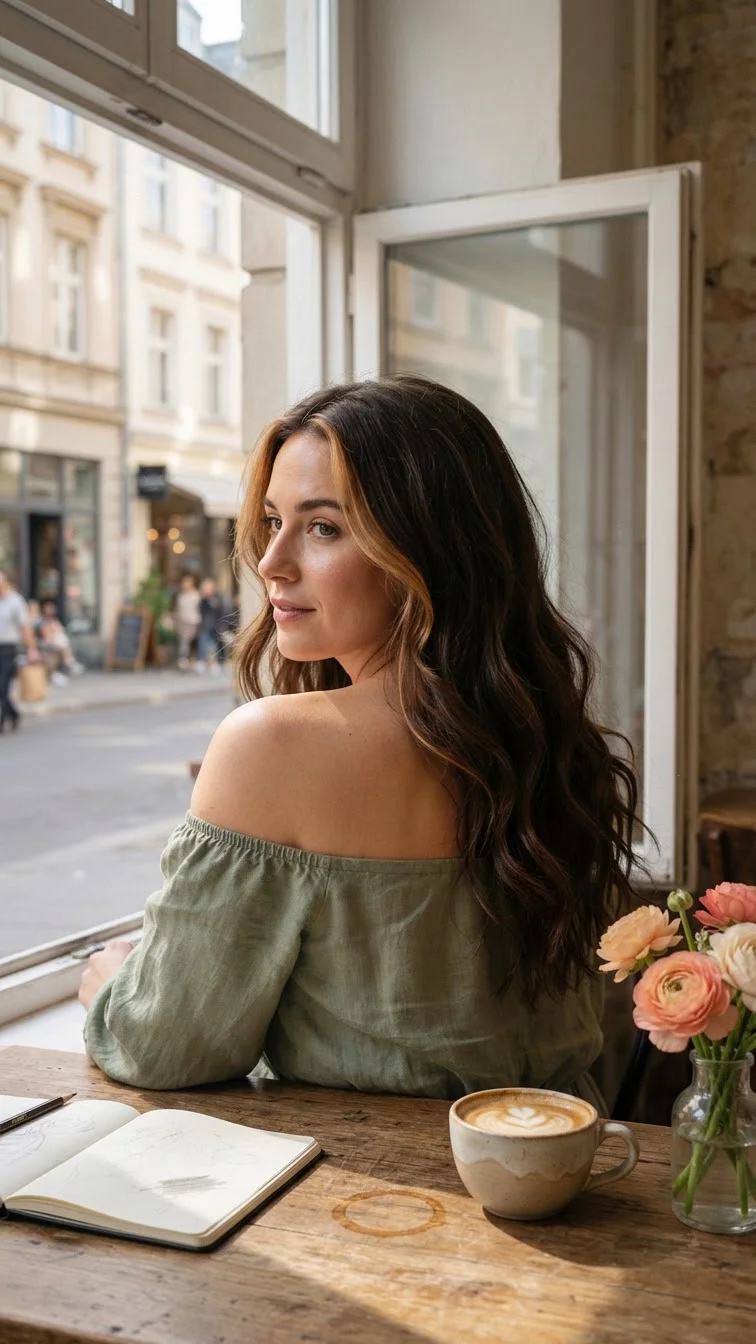
Two bright strips around the face can make dark hair feel like spring without touching the rest.
That is all a money piece is. The front sections on both sides are lightened to a warm caramel, and everything behind stays deep brunette.
Good reasons to pick it:
- It costs less and takes less time than full highlights
- The contrast shows best when hair is tucked behind the ears or tied back
- It grows out with no harsh line at the back
Keep the pieces about one to two fingers wide. Thinner can look stripy, and wider starts to feel heavy next to dark hair.
8. Pastel Lavender Over Pale Blonde
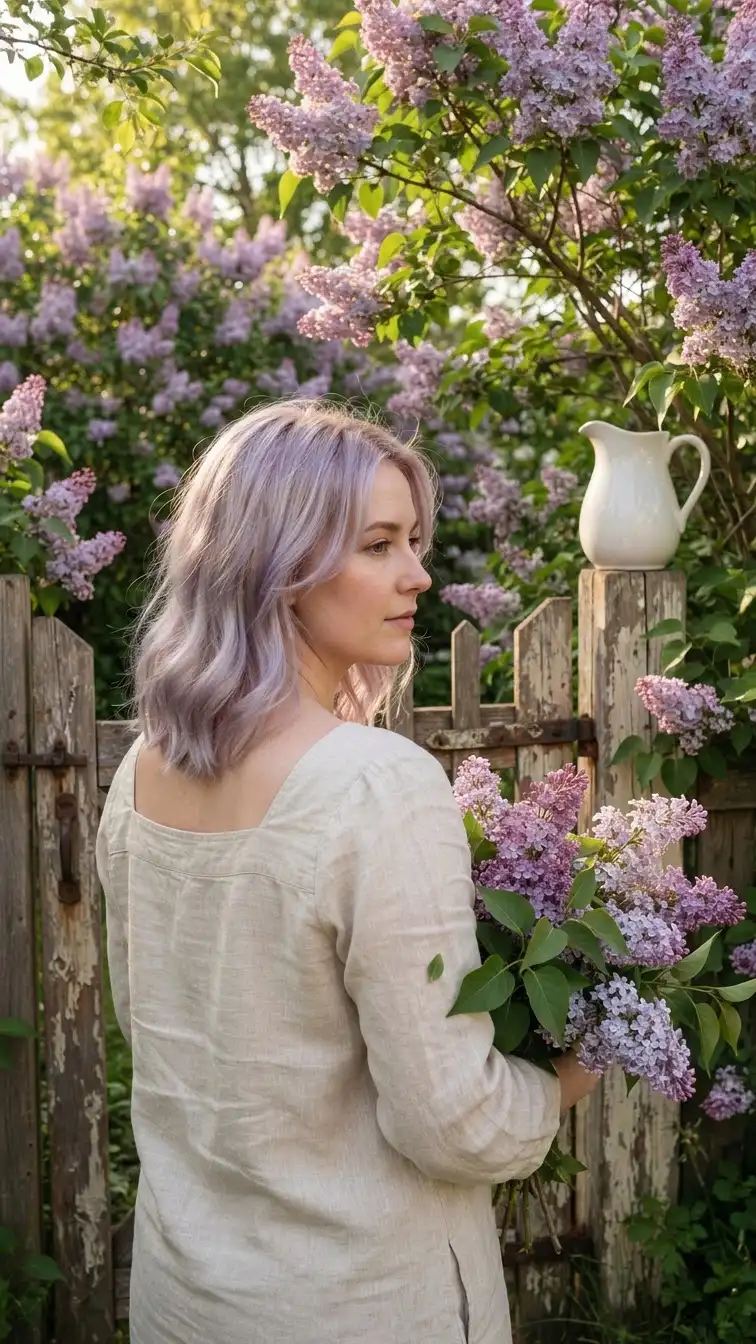
A lilac bush in full bloom by a garden gate is about the exact shade to aim for. Pale, a little grey, and soft enough to pass for blonde in some lights.
Pastel lavender only works on very light hair. The base needs to be a pale blonde, close to lemon sorbet.
Keep it alive:
- Wash with cool water
- Use a purple conditioner twice a week
- Expect it to fade to silver, then pale blonde, over a few weeks
Good to know: Lightening dark hair this far can be rough on it. Ask about a bond builder during the service to help protect the strands.
9. Peach Pastel Melted Into Light Blonde Ends
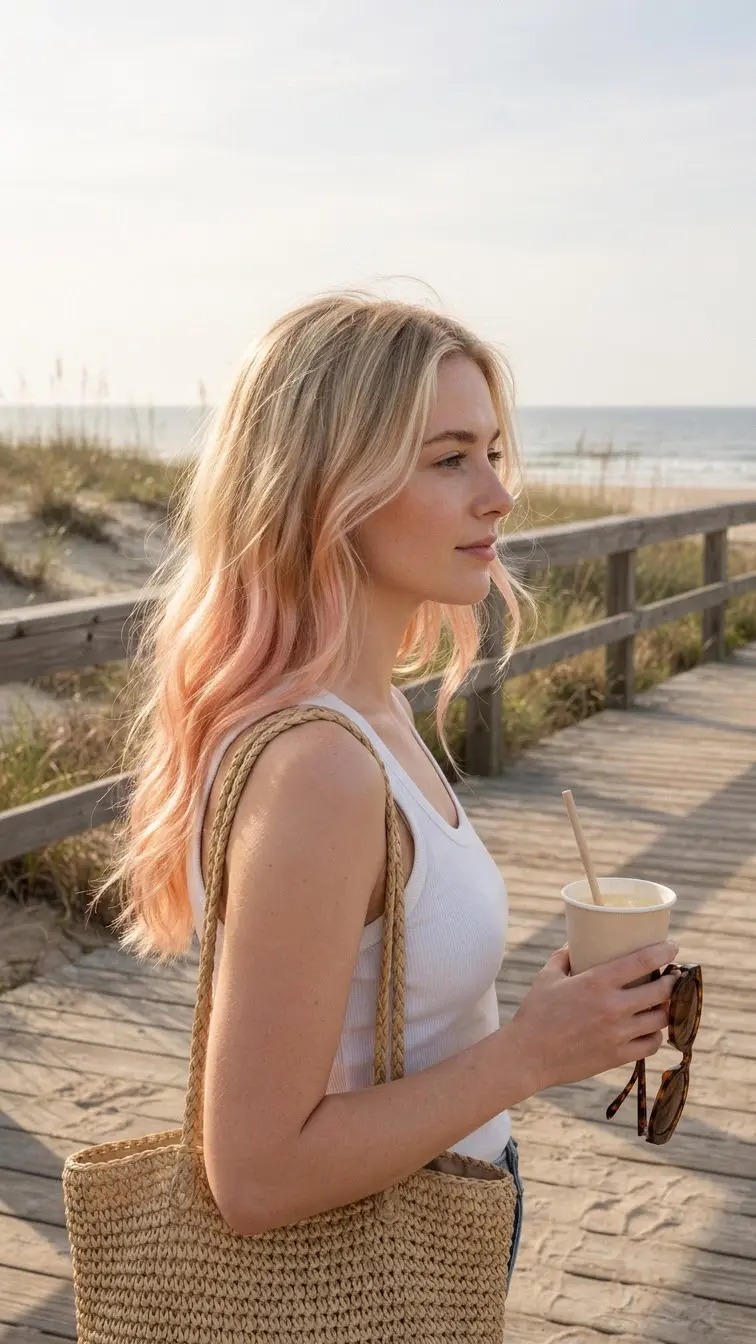
Peach is the pastel strangers stop you in the grocery store to ask about. It is warm, so it looks friendly rather than costume like, and it blends into blonde as it fades.
The prettiest version keeps the top few inches blonde and melts peach through the mid lengths and ends.
Ask for:
- A soft blend, not a hard line, where blonde meets peach
- A peach shade with a hint of pink, not pure orange
- Leftover color to take home for touch ups
Freshly done, it looks bright. By week three it is more of a sunset blonde, and honestly, that may be the best stage.
10. Bronde Blend for Brunettes Easing Into Blonde
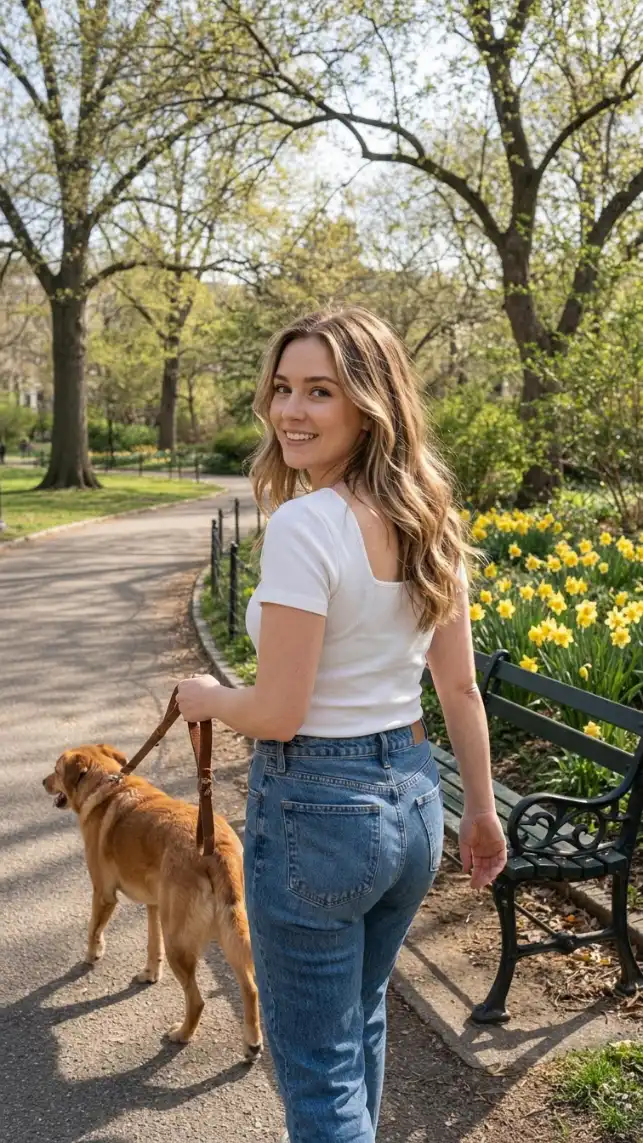
People assume going blonde means bleaching every strand. It doesn’t.
Bronde mixes brown and blonde in roughly equal amounts. The brown keeps depth near the roots and underneath, and the blonde lightens the top layers and ends.
It works well for:
- Brunettes who want a real change but fear brassy tones
- Busy schedules, since regrowth blends in
- Medium skin tones, where pure blonde can look washed out
Ask for a mix of balayage and fine foils with a neutral beige toner. It looks lighter outdoors and more brunette indoors, which makes it a gentle way to test blonde.
11. Vanilla Blonde With a Soft Shadow Root
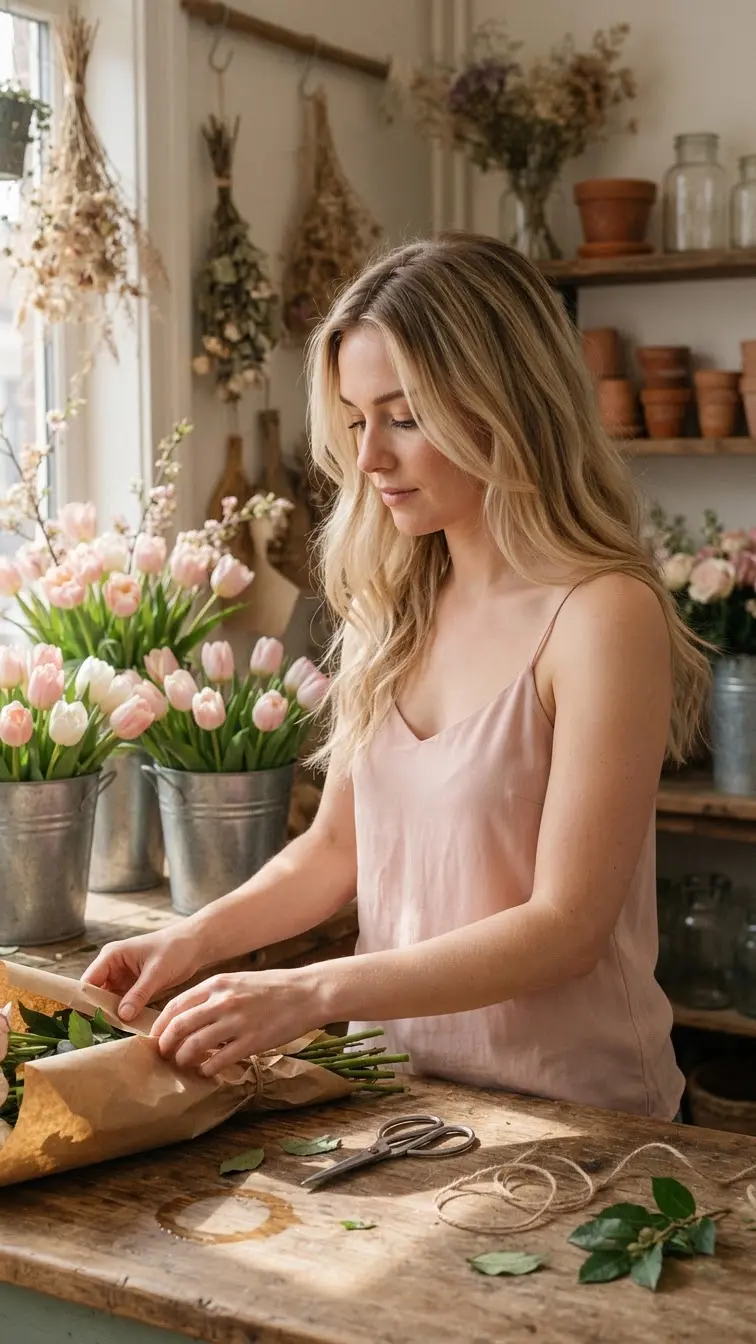
Vanilla blonde is a pale, creamy blonde with just a hint of warmth. Think soft serve, not printer paper.
The shadow root is what makes it wearable. Your colorist smudges a slightly darker shade at the roots so new growth melts in.
Benefits you will notice:
- Fewer root touch ups, so appointments stretch further apart
- A softer look around the part on windy days
- Less damage, since the scalp area is not bleached every time
Ask for the smudge to sit about an inch or two down. Any longer and it starts to look like grow out instead of a choice.
12. Milk Chocolate Brown With a Golden Gloss
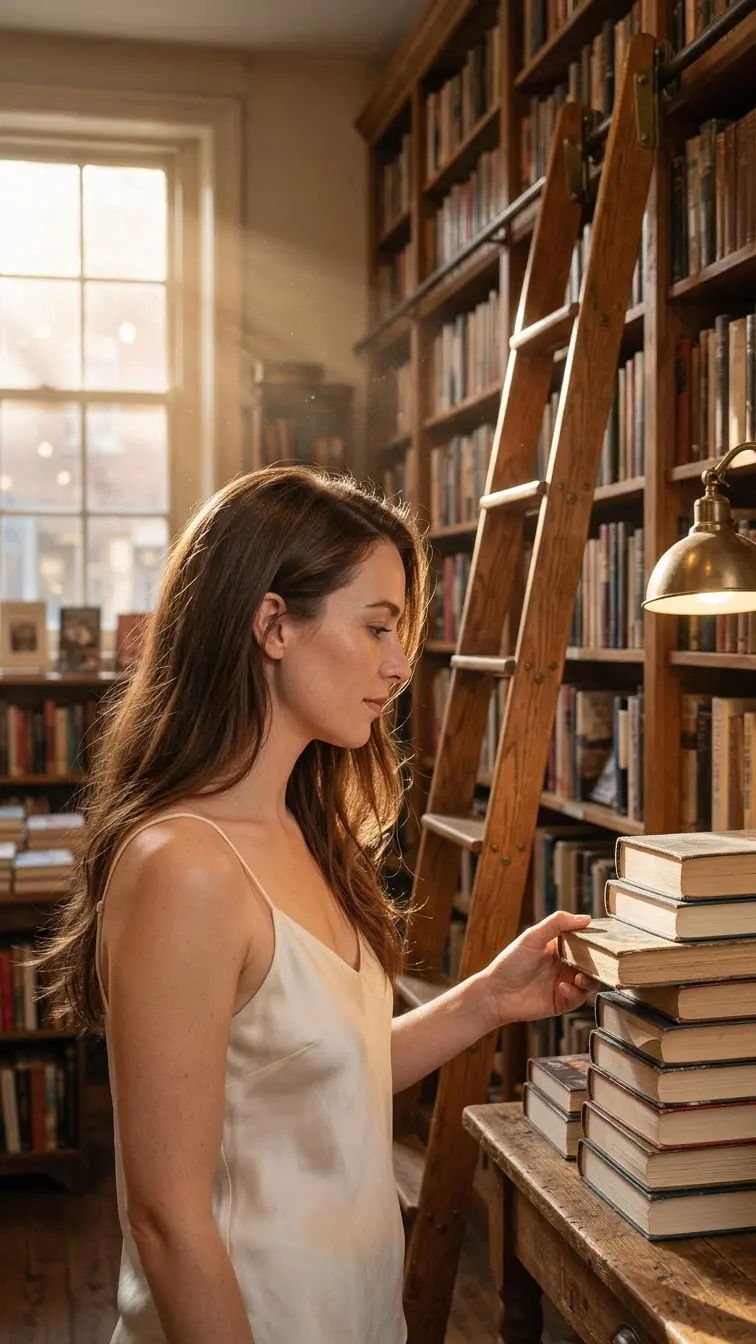
Dark winter brown can look heavy once the light changes. Going lighter doesn’t have to mean highlights, though.
Milk chocolate is a softer, lighter brown with warm gold undertones. A golden gloss on top brings out shine and makes it look healthy in spring sunlight.
Steps your colorist will likely take:
- Gently lift old dark color, or lighten natural hair by a shade or two.
- Apply an all over milk chocolate color.
- Finish with a golden gloss at the sink.
One color, no foils, and a quiet grow out. It is one of the easiest moves on this list.
13. Cinnamon Light Auburn for Your First Red
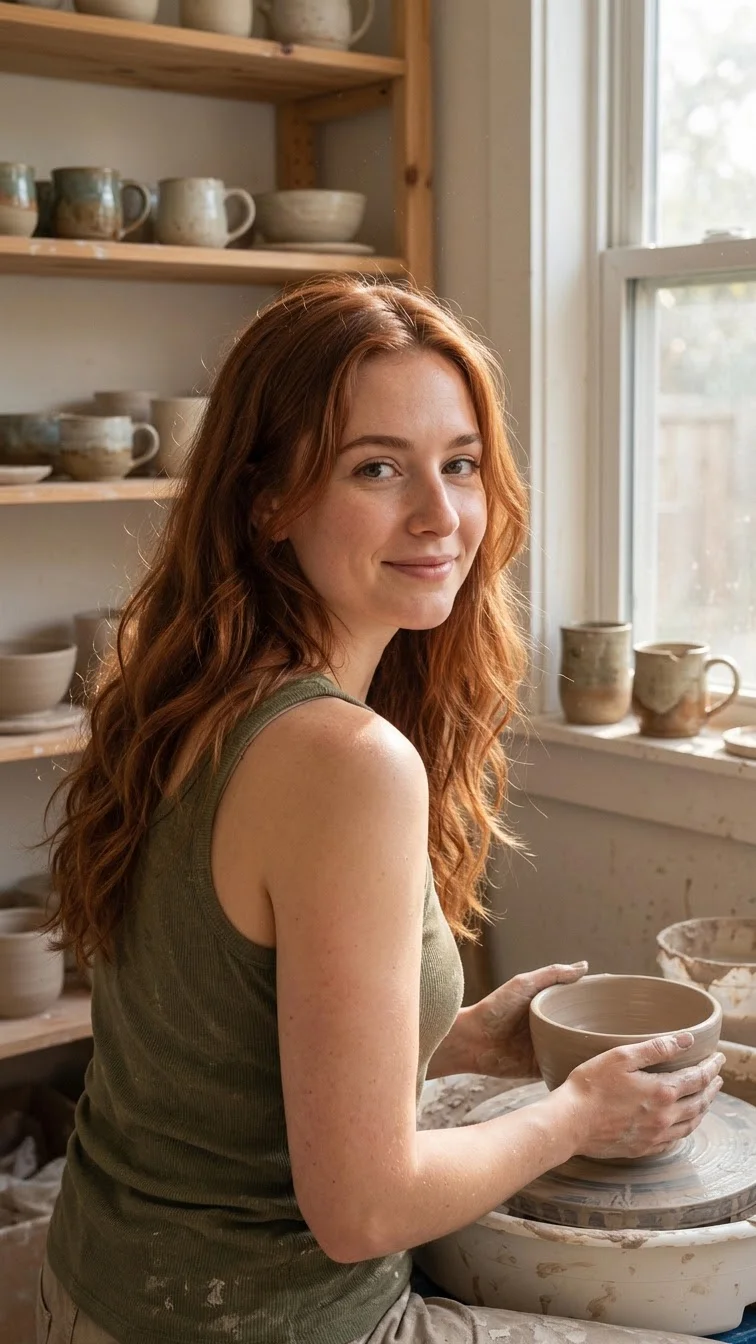
Cinnamon sits between brown and red. It is warmer than chestnut and softer than a true auburn, which makes it a gentle first red.
Next to copper, cinnamon is deeper and less bright. Next to burgundy, it is warm instead of cool.
Why it makes a good starter red:
- Most brunettes can get there without bleach
- It fades into a warm brown, not a pink or orange mess
- It flatters a wide range of skin tones, especially warm and olive
Ask for a light auburn with golden brown mixed in. Nervous? Start with a semi permanent version and go deeper next time.
14. Blush Pink Dip Dyed Ends With a Soft Fade
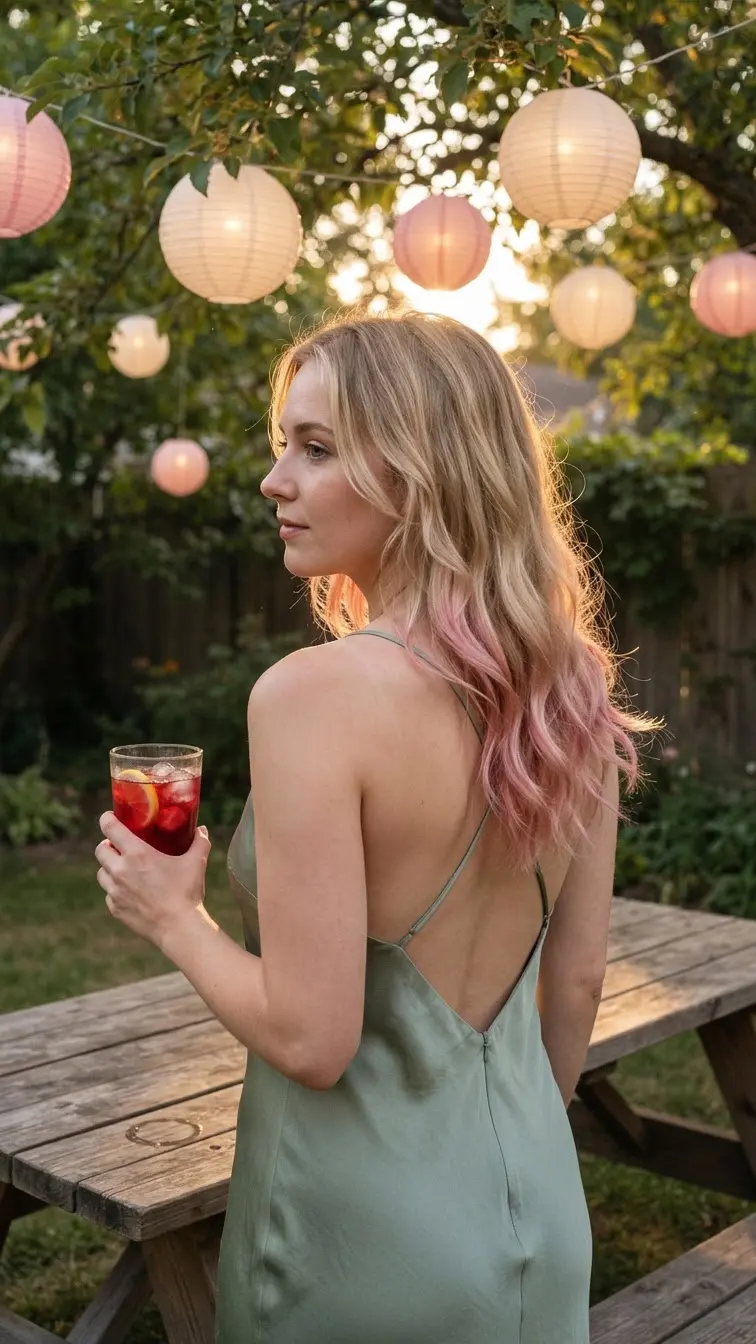
The common slip with dip dye is a sharp, straight line where the pink starts. It ends up looking like the hair was dunked in paint.
Ask for a soft fade instead, with blush pink starting around the chin and getting a little stronger toward the ends.
What you need:
- Light blonde ends, so the pink shows true
- A pastel pink semi permanent dye
- A bit of patience while it settles
Fading is fine. Blush washes out to a pale peach, then blonde. And once you are bored, a trim takes it away completely, with no color correction needed.
15. Sandy Beige Blonde for Light Brown Hair
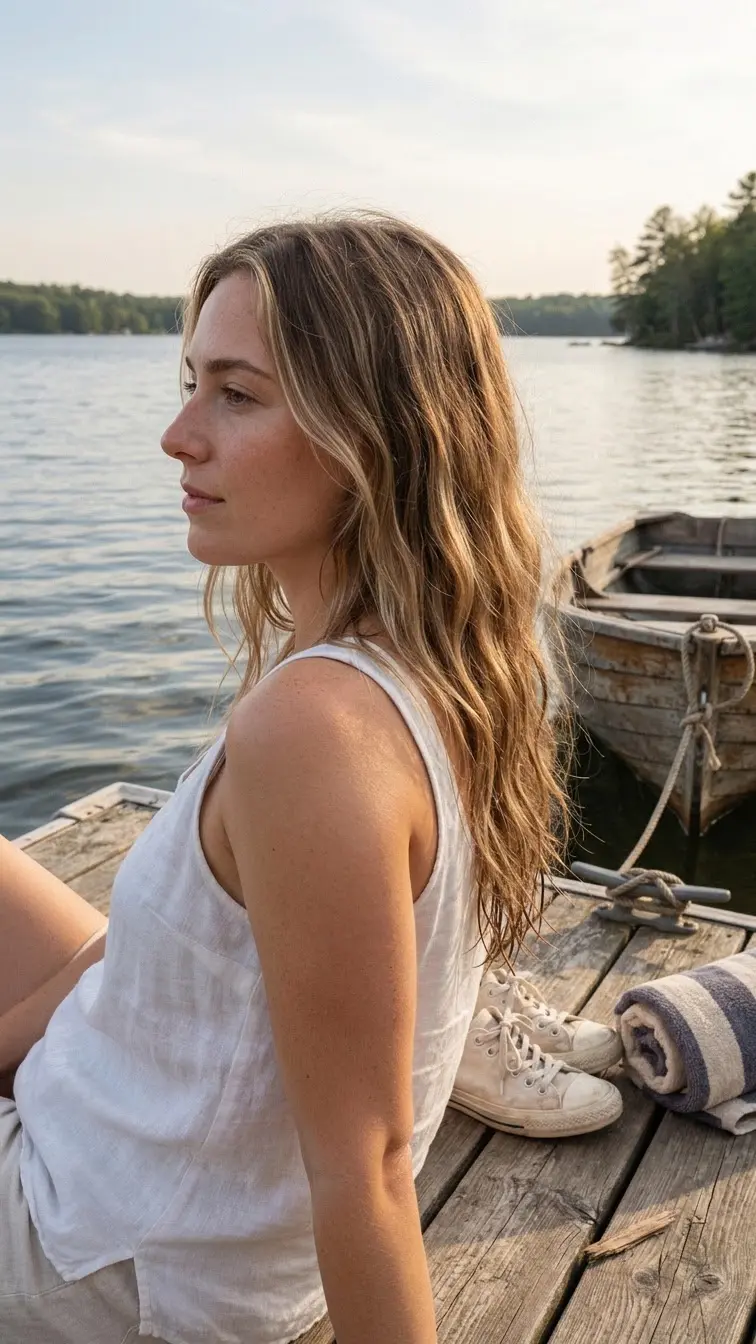
Rule of thumb: stay within two shades of your natural color, and the result almost always looks real.
Sandy beige blonde is made for that. It is a neutral blonde, neither gold nor icy, a lot like dry beach sand.
On light brown hair it means:
- Fine highlights through the top and around the face
- A beige toner to keep things neutral
- Natural lowlights left alone underneath for depth
People will tell you that you look rested before they notice the color. That is usually the sign it worked.
Best on light brown or dark blonde hair, and on neutral skin tones.
16. Chestnut Brown With Caramel Ribbon Highlights
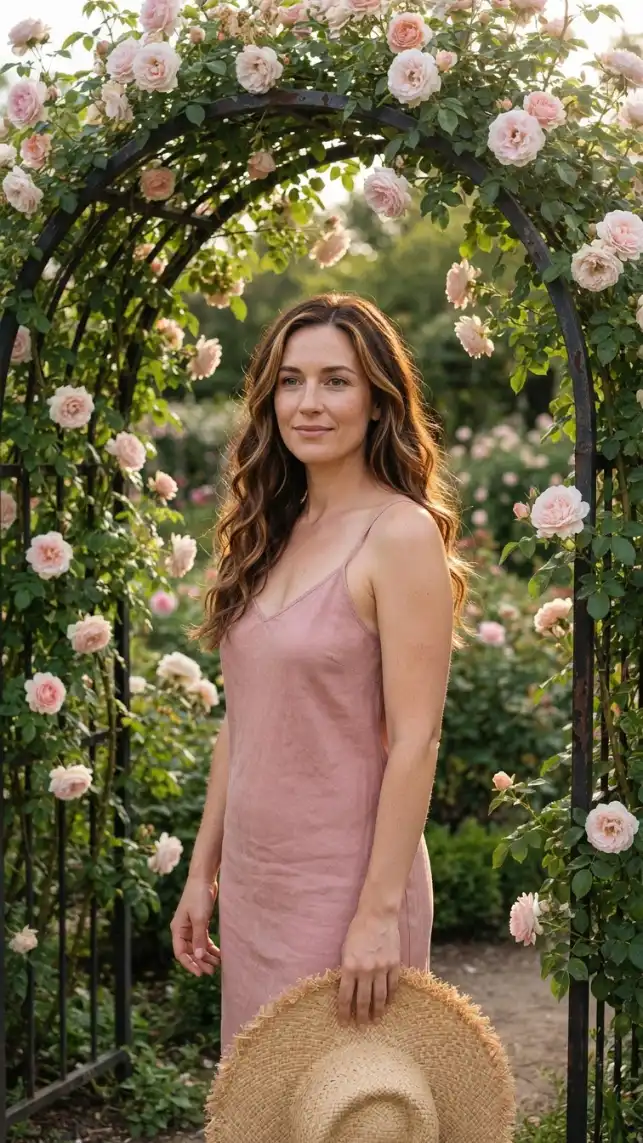
Ribbon highlights are wider than babylights and softer than chunky streaks. They fall like ribbons of light through the hair when it moves.
On chestnut brown, the ribbons are usually a warm caramel or light toffee.
Where to place them:
- One or two near the face, so they show when hair is down
- A few through the crown, for brightness from above
- Very few underneath, so the brown stays rich
I like this most on wavy hair. The ribbons twist with each wave and catch the light in different spots, something a flat iron would hide.
Ask for a gloss every few months to keep the chestnut from turning dull.
17. Glossy Toffee for Dark Blonde Hair
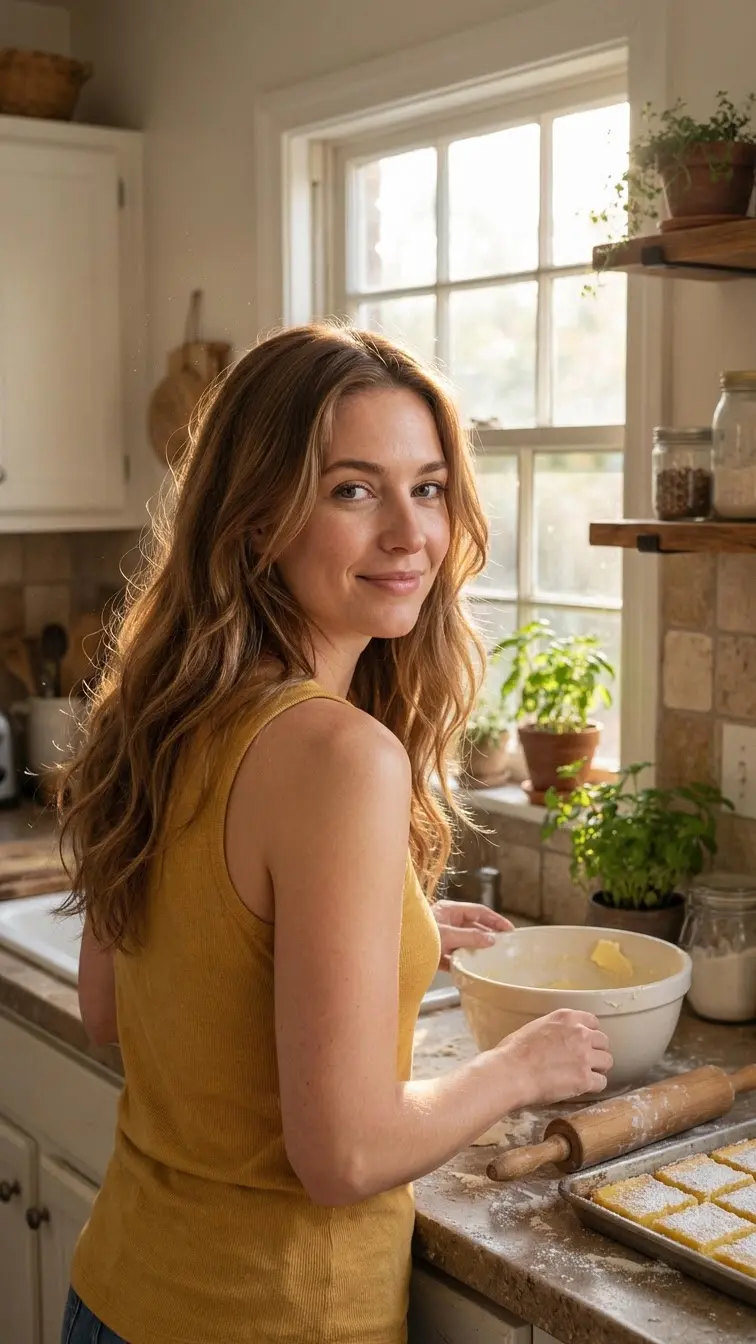
Sunday baking, flour on the counter, late sun through the kitchen window. The brown sugar in the jar by the stove is close to the color.
Toffee is a deep golden blonde that leans toward light brown. On dark blonde hair it adds richness without any bleach.
Why it suits spring:
- It warms up dull, mousy blonde.
- It shines in daylight.
- It grows out softly, since it sits close to natural dark blonde.
A demi permanent toffee gloss is often all it takes. Ask your colorist to keep it slightly lighter at the ends.
18. Pearl Blonde With a Soft Silvery Sheen
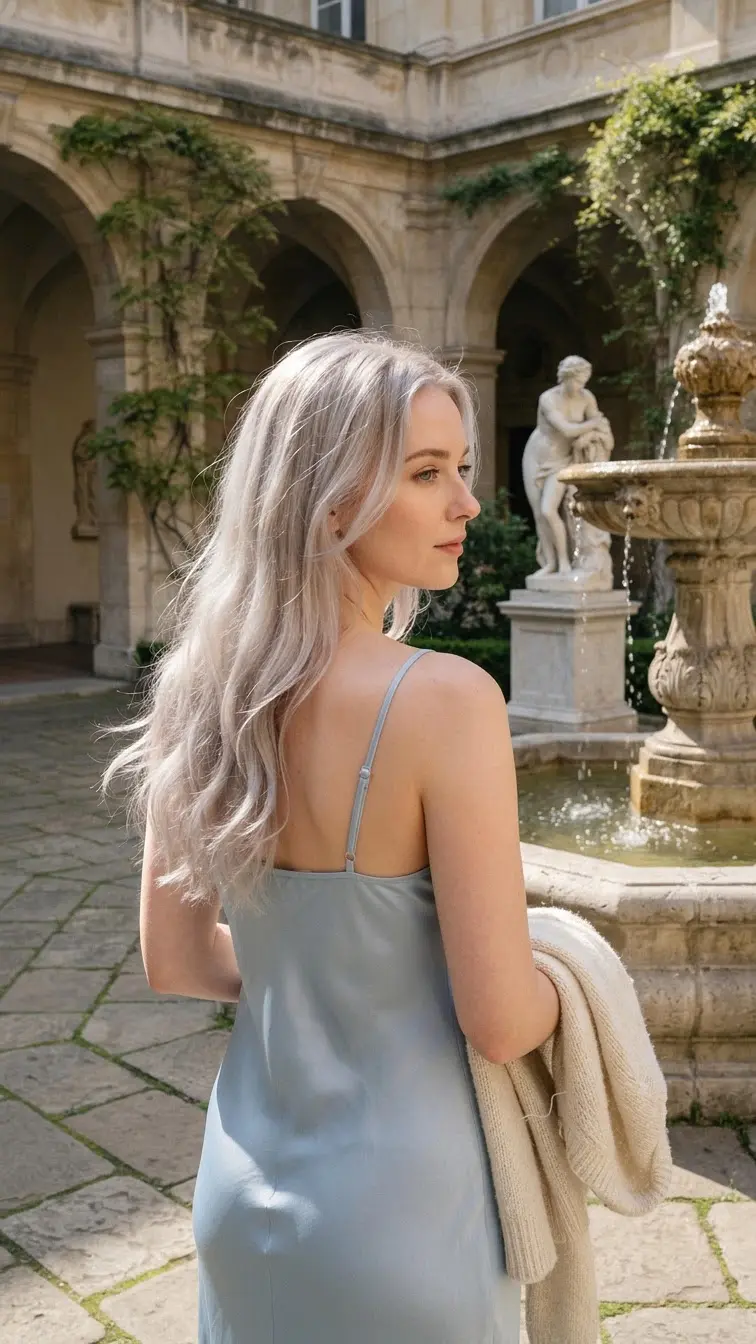
A lot of people think cool blondes look harsh in spring. Pearl blonde quietly proves otherwise.
It is a very pale blonde with a soft, silvery sheen, like the lining of a seashell. Cooler than vanilla, softer than platinum.
Real talk on upkeep:
- Hair has to be lightened almost to white first
- Toner fades in a few weeks, so plan regular glosses
- Purple shampoo once a week keeps yellow away
Fair skin with cool or pink undertones looks best with it.
Quick tip: Use heat protectant every single time. Very light hair shows damage fast, and pearl tones look dull on rough ends.
19. Hazelnut Lowlights for Blondes Who Went Too Light
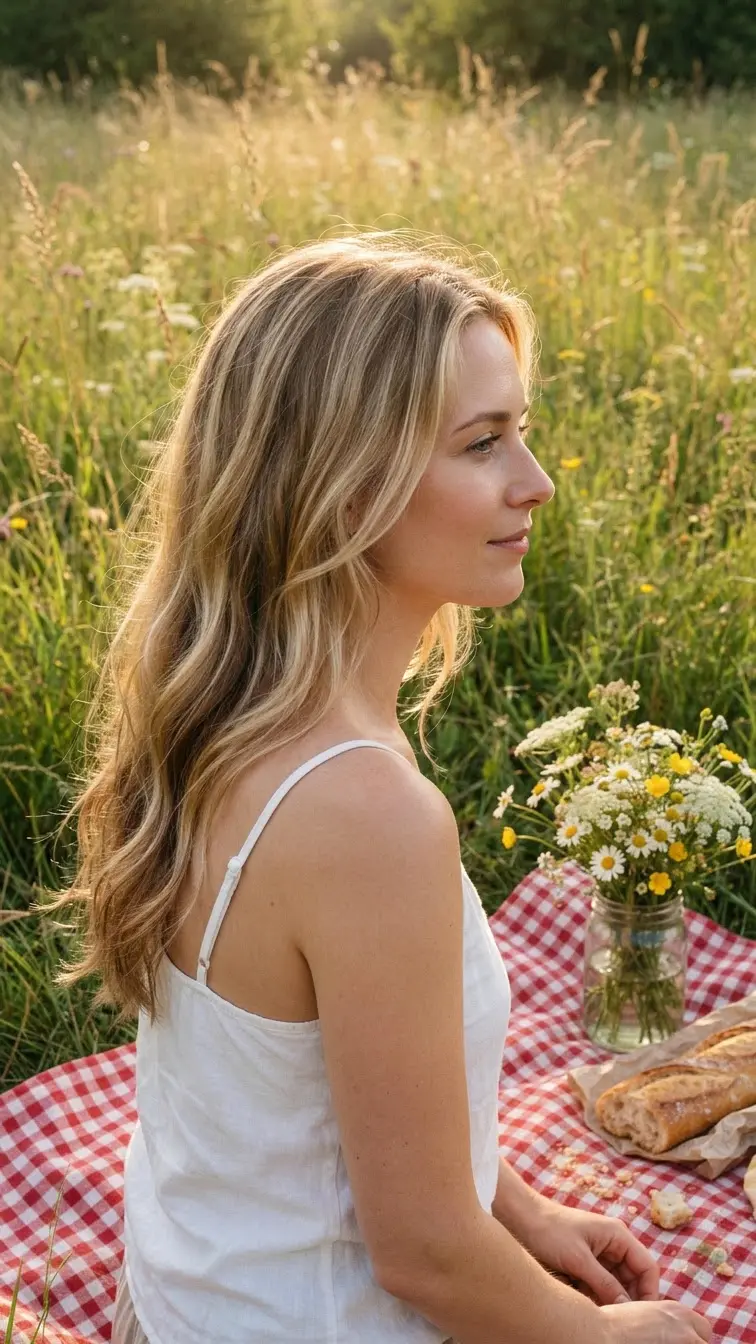
After a winter of highlights on top of highlights, blonde can start to look flat and see through. Adding depth back is often prettier than going lighter again.
Hazelnut lowlights are thin pieces of soft, warm brown placed under and between the blonde.
They help with:
- Hair that looks thin because it is all one light shade
- Brassy patches, which look less obvious next to brown
- Giving your hair a season off from bleach
Ask for lowlights mostly underneath and around the nape. Keep the top and face frame bright, so it still reads as blonde.
20. Sun Kissed Dark Blonde With Brighter Tips
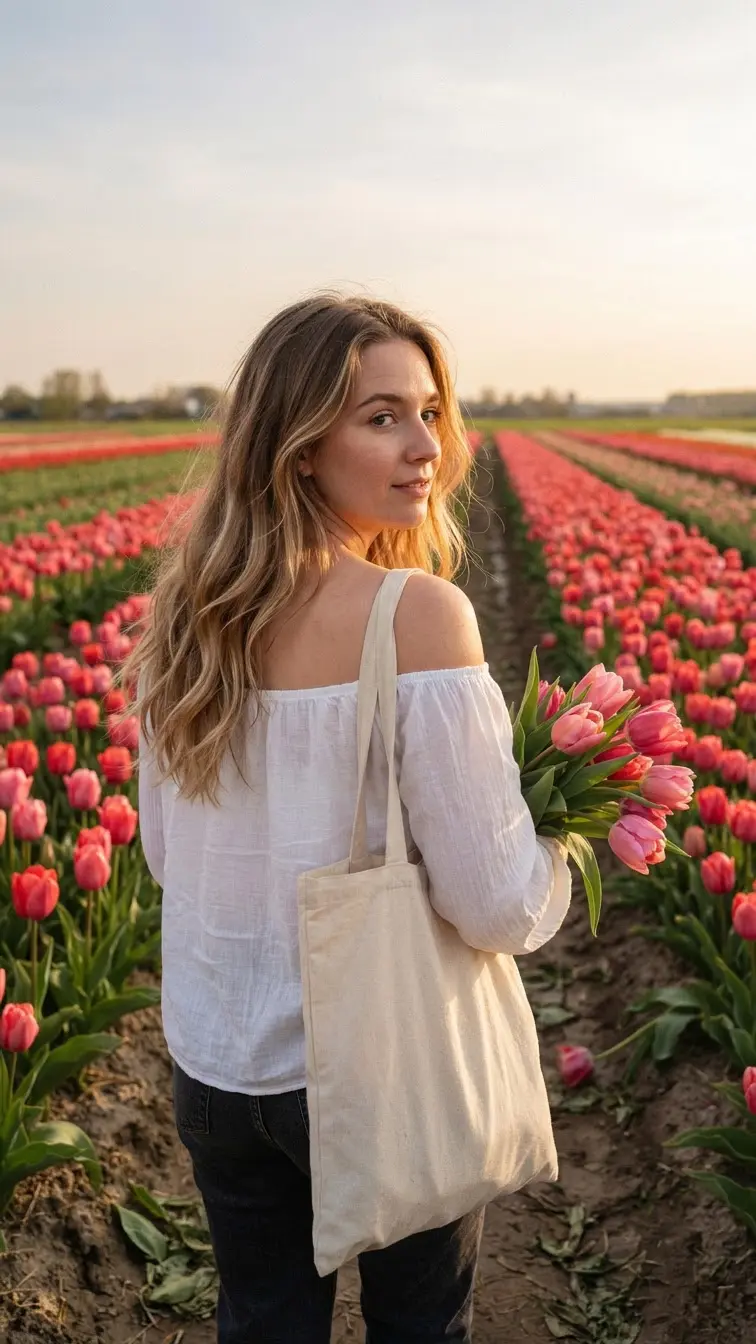
Sun kissed color copies what a summer outdoors does on its own. The tips get lighter, and the roots stay natural.
How to get it:
- Keep your dark blonde roots and mid lengths as they are.
- Ask for hand painted lightener on the last few inches only.
- Add a golden toner so the ends look sunny, not white.
- Brighten the very front pieces a touch more than the back.
It is one of the lowest upkeep options here. There is no root line to fix, so you can go months between appointments.
It also looks great air dried, which is half the point in spring.
21. Golden Gloss Refresh on Your Natural Color
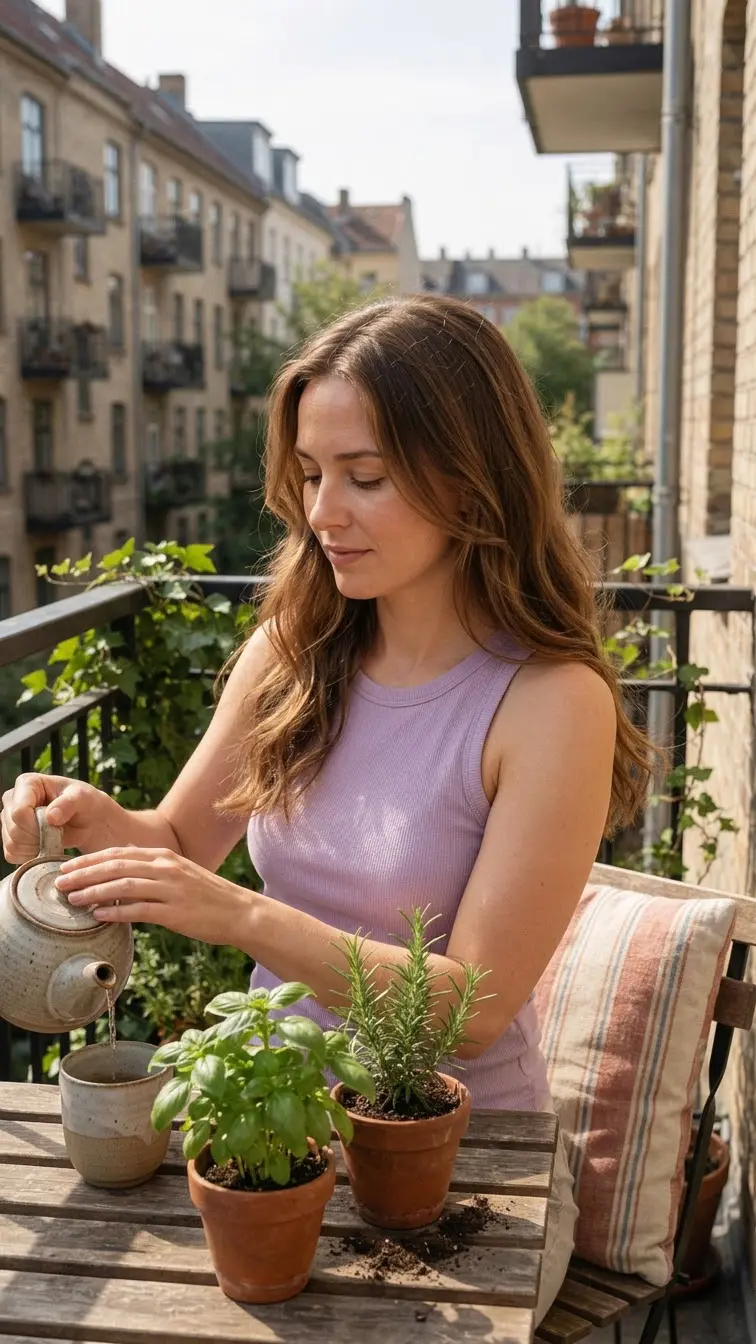
Not ready for a real change? A golden gloss gives you spring shine in under an hour.
A gloss is a sheer, demi permanent color. It adds a light tint and a lot of shine but barely changes how light or dark your hair is.
Good to know before you book:
- It works on brown, blonde, and light red hair
- It fades gradually over several weeks, with no grow out line
- It is usually one of the lower priced services on a salon menu
Book it about a week before a spring wedding or graduation, so it has settled by photo day.
Your natural shade after winter: a little flat, slightly ashy under indoor light, and rough feeling at the ends.
The same shade, just warmer and glossier, with a soft golden glow in sunlight and smoother feeling ends.
22. Soft Blonde Highlights to Blend Early Grey
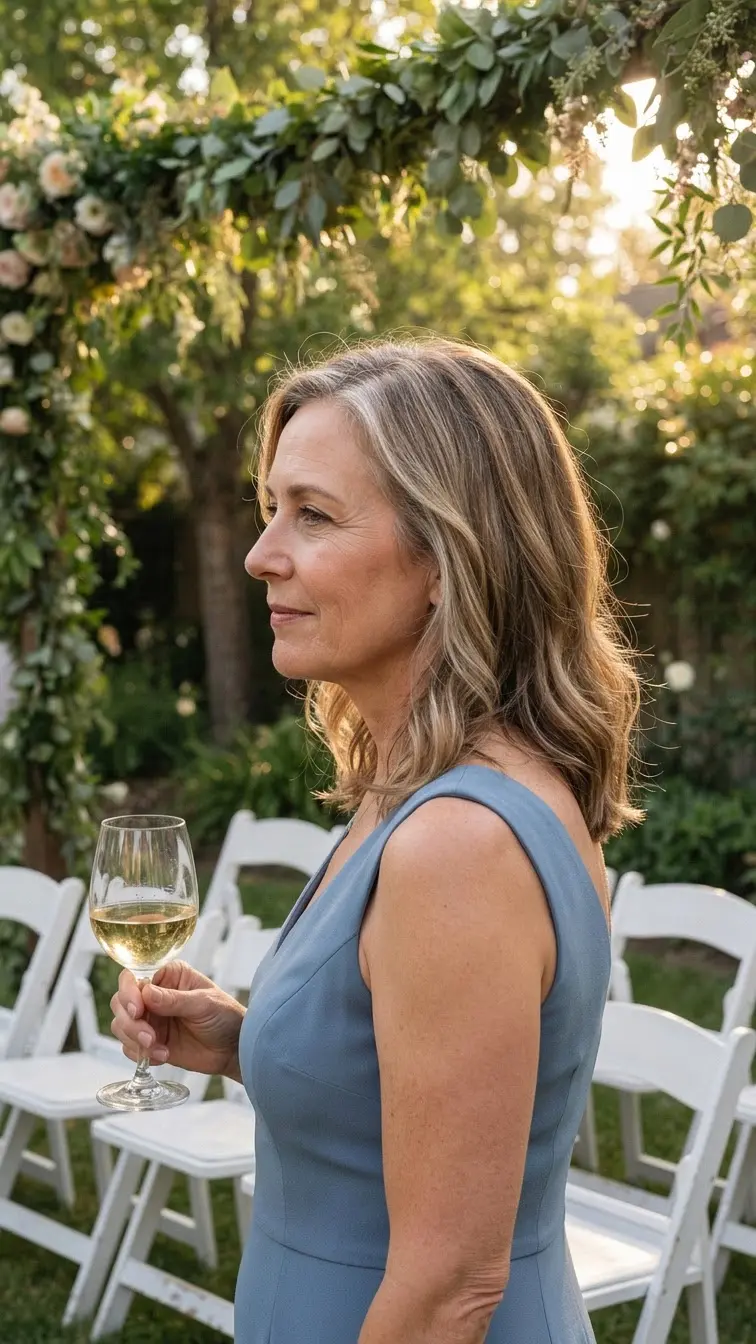
Covering every grey hair with solid dark dye is the mistake that keeps people stuck in the salon every few weeks. The regrowth line shows fast.
Grey blending takes the opposite route. Fine blonde and light beige highlights mix with the grey, so new silver roots blend in.
What it looks like:
- A soft, light brown or blonde overall
- Grey strands that pass as highlights
- Much less obvious regrowth
It suits light brown or dark blonde natural hair with a fair amount of grey coming through. Look for a colorist who does grey blending often. It is a skill, and it shows.
23. Honey Pintura Highlights on Curly Hair
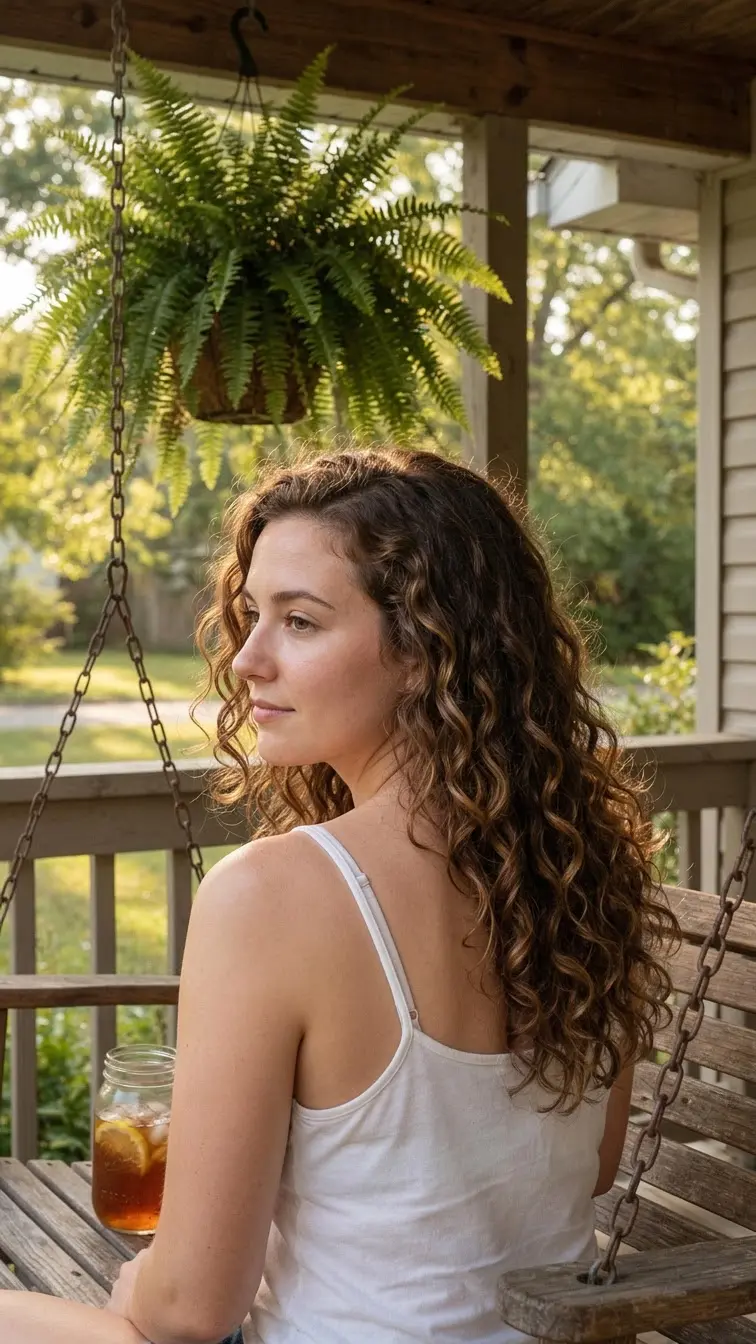
Pintura means painting, and that is exactly how it is done. The colorist paints honey lightener onto single curls, one by one, while your hair sits in its natural curl pattern.
Why it matters for curls:
- Each curl gets light where the sun would naturally hit it
- No foils, so no stripes that vanish into the curl
- Fewer strands are lightened, which is kinder to curls
Ask for this on dry, styled curls. A colorist who straightens your hair first is not doing pintura.
Deep condition the week after. Lightened curls get thirsty.
24. Hidden Mint Peekaboo Under Dark Hair
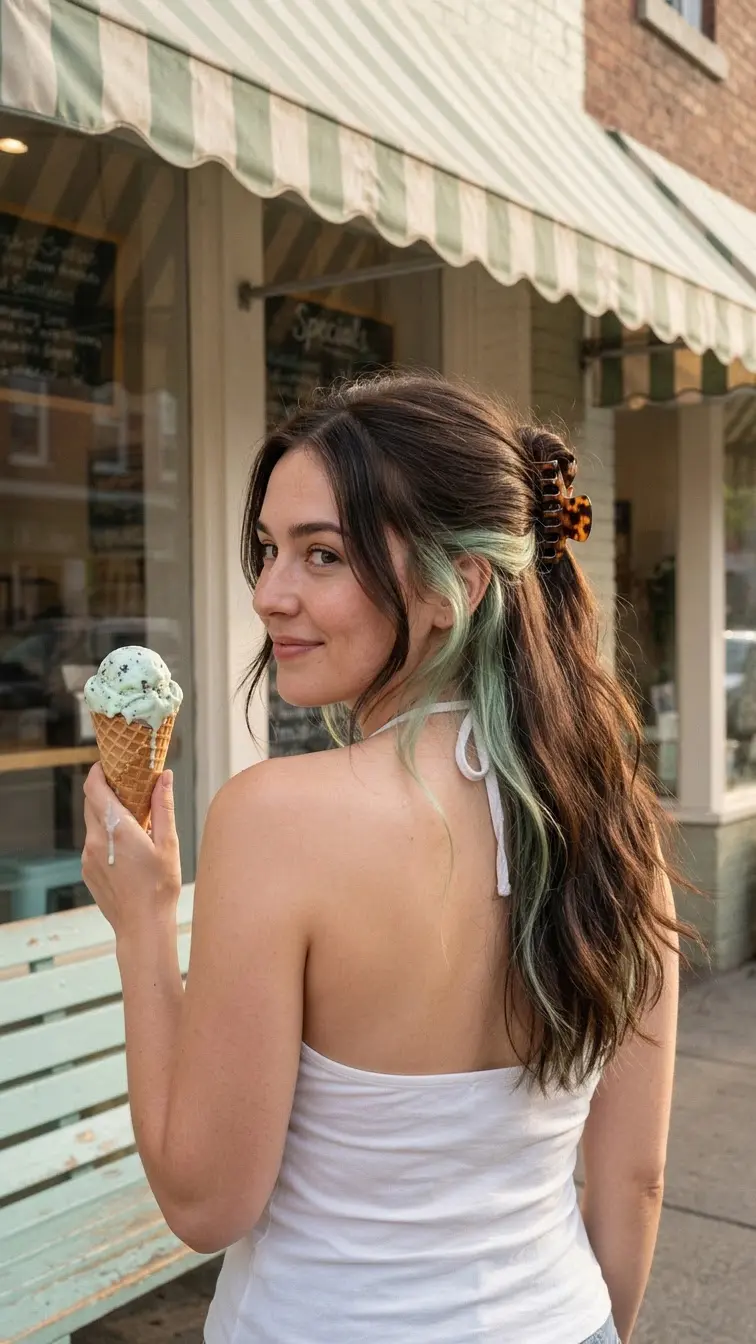
A scoop of mint ice cream on a warm April afternoon. That pale green is the shade, tucked under dark brown hair where only you, and whoever stands behind you, will see it.
A peekaboo panel is a hidden section of color under the top layer, usually at the nape and behind the ears.
Why it is a smart way to test pastel:
- It only shows when hair is tucked, braided, or tied half up
- Work days stay low key, and weekends get the fun
- Only one small section gets lightened
Mint fades quickly into a soft sea glass green. Mix a little leftover dye into your conditioner to keep it brighter longer.
25. Rose Brown for Brunettes Who Want Subtle Color
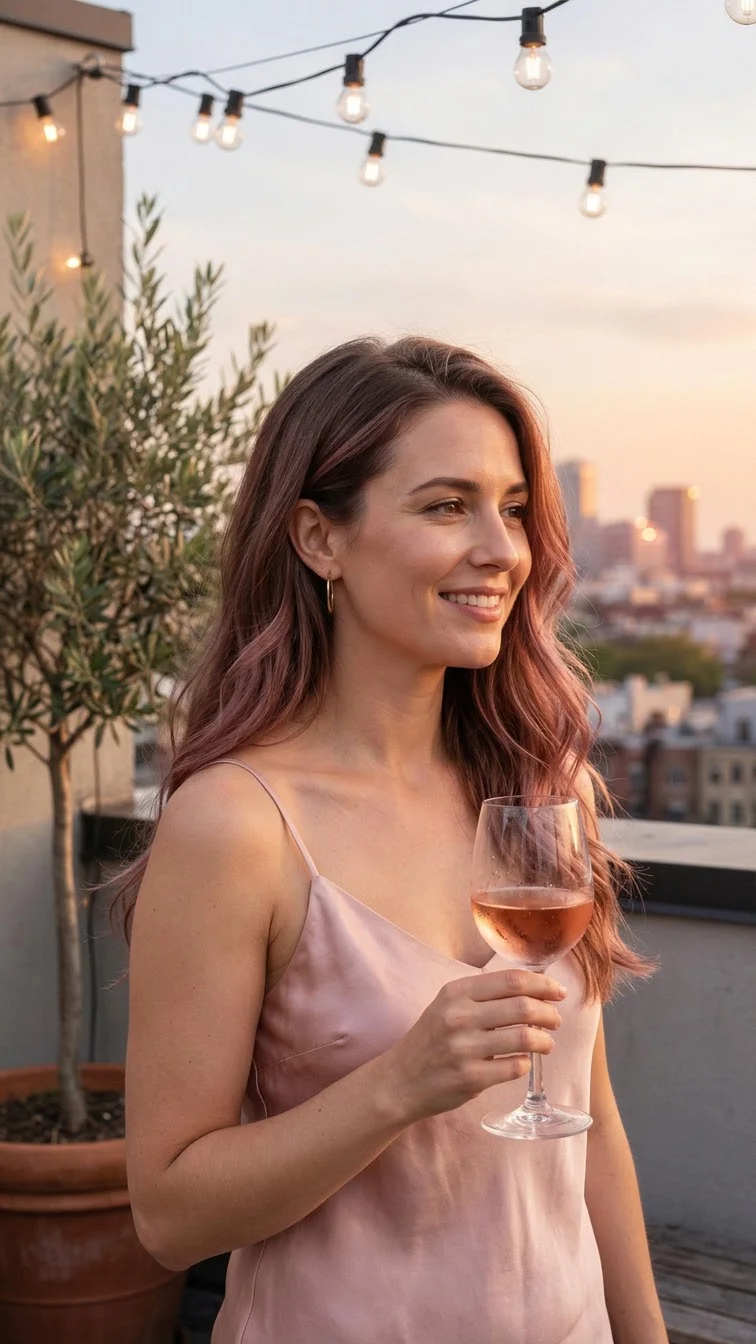
A rosy tint on brown hair is the easiest way to wear pink at the office. Most people just see a warmer, shinier brunette.
Rose brown is a medium brown with a soft pink or mauve glaze over it. It shows most in sunlight and almost disappears indoors.
Ask your colorist for:
- A rose gold or mauve gloss over your natural brown
- No bleach, unless you want it brighter
- A sheer shade, not a saturated one
It fades out within a few weeks, so it is a low risk way to find out if pink tones suit you.
Wear it with gold earrings and a blush top. The pink in your hair picks up both.
Spring is a forgiving season to change your hair. The light is softer, everyone is shaking off winter, and a small shift in tone can make your whole face look more awake.
For low effort, start with a gloss, a shadow root, or a money piece. If you are ready for something new, strawberry blonde, apricot copper, or a pastel will feel like a real change. Either way, ask about a toner refresh and rinse with cool water, since bright spring shades fade faster than most people expect.
Keep these spring hair color ideas close for your next booking, and bring photos instead of describing it.
Save this list to your spring hair board so it is ready when the salon calls with an opening.