You want shorter hair, but a full bob feels like a leap. Every time you scroll past one, you imagine the day after the cut, when you reach for a ponytail and find nothing to tie. That fear is why so many people stay stuck with the same long hair for years.
Lob haircuts solve that problem. A lob sits between the chin and the collarbone, so you get the lightness of a short cut and still keep enough length to tuck, twist, and pin. It is the safest big change you can make, and it grows out without drama.
This list covers lob haircuts for every texture, from fine and straight to thick and curly. Each one explains what to ask your stylist for, who it suits, and how to style it on a normal morning. Save the ones that catch your eye, and screenshot the back view too. Your stylist will thank you.
1. Classic Blunt Lob With a Center Part

Start with the simplest one. A blunt lob is a single straight line, cut at the collarbone.
Ask your stylist to cut it dry or nearly dry, so you see the real length before the scissors go in. Then have the very tips lightly softened so the hem does not look hard.
- Part it dead center for a sleek look
- Use a smoothing cream on damp ends
- Skip layers if your hair is fine
Best for: straight or slightly wavy hair that needs to look fuller at the bottom.
2. Wavy Lob With Soft Invisible Layers

Waves collapse when they are too heavy. The fix is cutting layers where nobody can see them.
Your stylist removes weight from underneath the top section, so the outline stays full but the waves bounce back up. From the outside, it looks like the same length with a lot more movement.
Tell your stylist plainly: “I want bounce, not steps.”
Scrunch in a light mousse on damp hair, then leave it alone until it is dry.
3. Curtain Bangs on a Collarbone Lob

Cutting off length and cutting bangs on the same day sounds risky. Curtain bangs make it less so.
They part in the middle and sweep to each side, so on a bad day you can tuck them behind your ears. As they grow, they turn into face framing pieces that blend with the lob.
Dry them with a round brush, rolling each side away from the center.
4. Shaggy Lob With Choppy Ends

Shags have a messy reputation. At lob length, they are just relaxed.
The ends are cut with a razor or point cut, so they look broken up instead of straight. The crown has short layers and the bottom stays full, which gives you that lived in shape.
Quick tip: Spray sea salt on damp hair and walk away. Touching it while it dries is what makes it frizz.
It works well on natural waves and on hair that never holds a straight line anyway.
5. Asymmetrical Lob Longer on One Side

Not every lob has to be even. One side can sit an inch or two longer, and it reads as a decision.
Keep the difference small. A big gap looks like a growing out mistake.
Put the longer side on your part side. When you tuck the shorter side behind your ear, you get a sweep without any styling at all.
It also hides uneven hair growth, which helps if one side of your head grows faster than the other.
6. Curly Lob With Rounded Layers

Curls shrink once they dry. A lob that lands at your collarbone wet may sit at your jaw dry.
So ask your stylist to cut curl by curl, and to leave the length a little long.
- Cut on dry or nearly dry curls.
- Round off the layers around the face.
- Keep the ends full so the shape does not turn into a triangle.
Dry it with a diffuser on low heat, and keep your hands out of it until it is fully dry.
7. A Line Lob Longer in Front

The back is shorter, the front is longer, and the line between them is a gentle slope.
Compare it with a straight lob. The A line adds shape at the nape and slims the face. Compared with a stacked bob, it keeps far more length in front.
Ask for a soft angle. A steep one looks dated and a soft one looks current.
It suits oval and round faces especially well, and it grows out evenly.
A soft slope, with the front only a little longer.
A smooth blend at the nape, with no hard step.
A steep angle, which can feel dated.
A very short nape, which makes the lob look like a bob.
8. Lob With a Wispy Fringe

A wispy fringe is cut thin on purpose, so you can still see your forehead through it.
Ask for it to be cut dry and stop at the brow. Wet bangs jump up as they dry, and a stylist who cuts them wet often cuts them too short.
- Wash only the fringe on busy mornings
- Dry it flat with a small brush
- Keep a travel dry shampoo for the roots
A soft way to try bangs when you are not ready for a full set.
9. Textured Lob With Beachy Ends

Some haircuts only look good right after the salon. A textured lob looks better on day two.
The ends are cut with a little texture, so the hair bends on its own and sits at the collarbone without flipping. Spritz salt spray, twist a few pieces around a finger, and shake it out.
Even on a flat, straight morning, it takes about two minutes.
10. Stacked Lob With Longer Front Pieces

The back is stacked short and the front stays long. It is a lob with a built in lift.
That gives the back of your head volume without adding bulk, which helps when straight hair tends to lie flat there.
Keep the stack subtle, with only a few short layers at the nape. Go too short and the back looks like a different haircut from the front.
11. Straight Lob With Long Face Framing Layers

Keep the length straight and put all the shape in the front.
The back stays one clean line. Only the pieces around your face are layered, starting at the chin. They sweep back when you tuck them and soften your jaw when you do not.
It is a gentle first cut if layers make you nervous. It looks neat, and you can still pull it into a low ponytail.
A flat iron at a medium setting is all this one needs.
12. Rounded Lob That Tips Under at the Ends
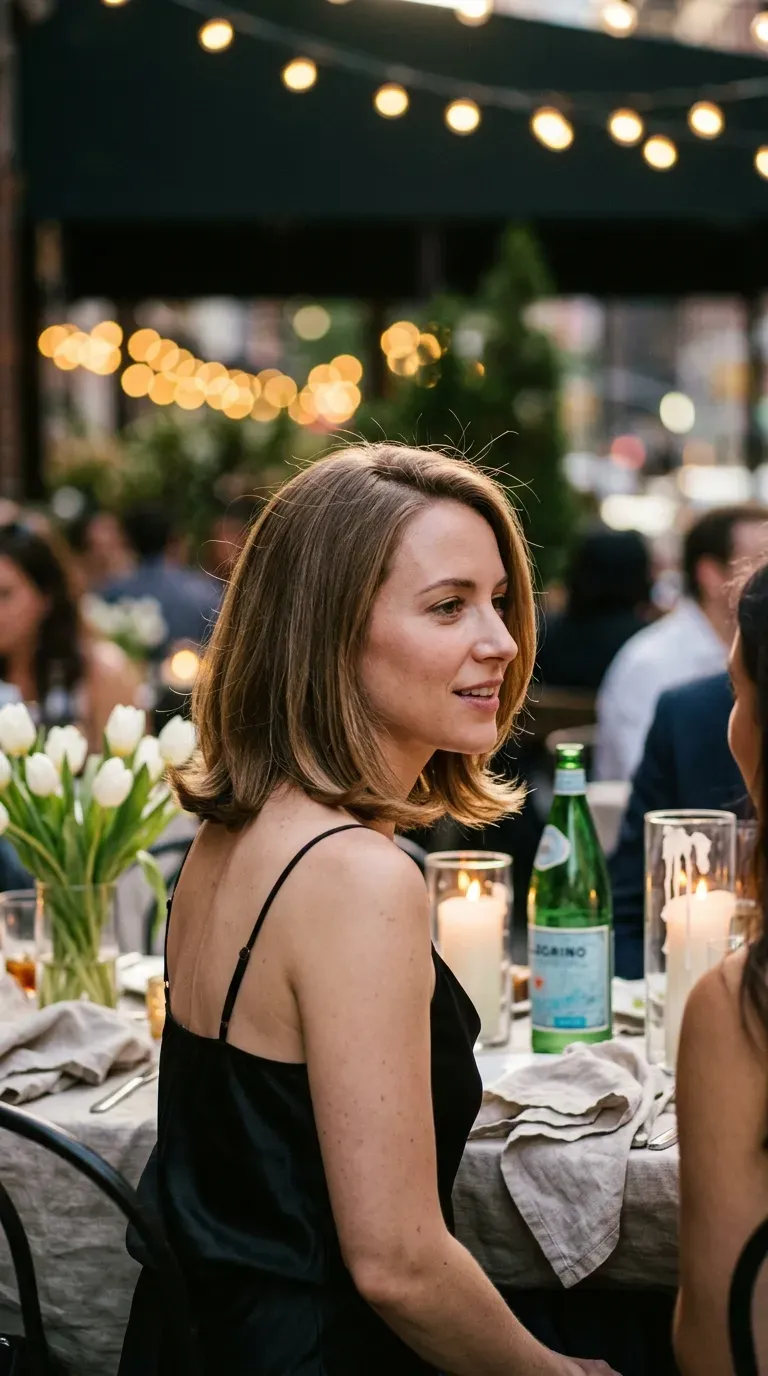
Rounded does not mean shorter. It means the corners are gone.
A classic bob has hard, square edges. This lob has a curved line at the back, so the ends tip under toward your neck instead of flipping out against your shoulders.
That makes it a friendly choice for someone who just cut off a lot of length. It still feels full, only neater.
Quick tip: Use a round brush on the ends and turn them under as you dry.
13. Feathered Lob With a Middle Part

Feathered ends are soft and light, and they never look like they were cut with a ruler.
The stylist slides the scissors down the ends to thin them, or uses a razor. The hem moves, so it never shows an awkward line at the collarbone.
A middle part gives it balance. Without one, the front can look uneven as it grows.
- Bring a photo that shows the ends
- Do not ask for heavy thinning
- Wash less often to keep the feathered look
14. Butterfly Lob With Face Framing Layers
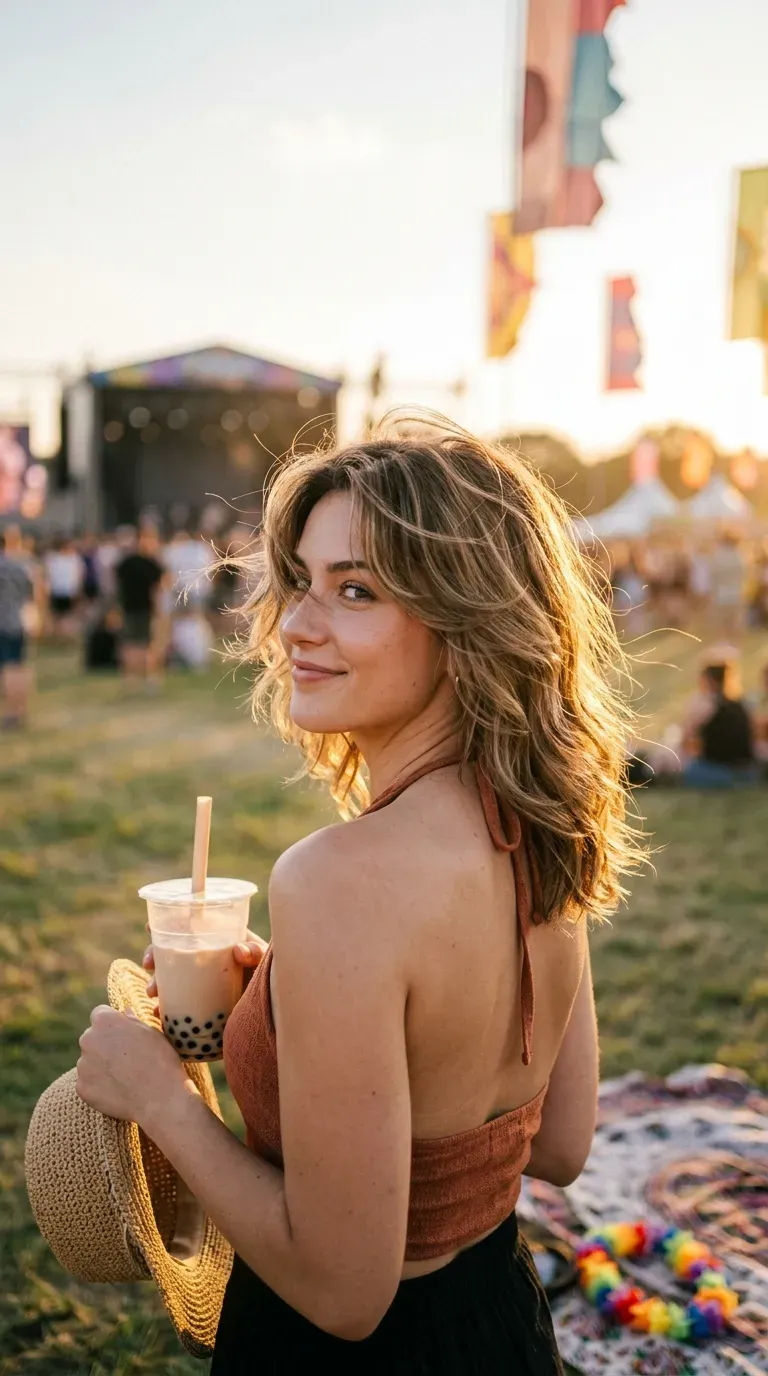
Two sets of layers sit on top of each other here. The short ones frame your face, and the long ones underneath keep the volume.
On a lob, the front layers begin around the cheekbone. Blow dry them forward and out with a round brush to get the lifted shape.
Honest limit: a butterfly cut needs about ten minutes of blow drying to look its best. If you air dry, ask for softer, longer layers.
Best for medium to thick hair that tends to fall flat.
Bring a photo of the back of the cut, not only the front. The back is where an awkward haircut shows up.
15. One Length Lob for Fine Hair

Layers can make fine hair look thinner. One length does the opposite.
When every end lands on the same line, they stack together and look dense. That fullness is what you want at the collarbone.
Ask for a blunt line and skip the thinning shears. A tiny amount of texture only at the very tips is fine.
Mistake to avoid: heavy conditioner at the roots. Keep it to the ends so the top stays light.
16. Lob With Internal Layers for Thick Hair

Thick hair at collarbone length can puff into a triangle. Internal layers prevent that.
They are cut inside the hair, where nobody sees them, to remove bulk but not length. The outside stays smooth and the shape stays square.
Describe the problem in plain words, such as “it flares out at the bottom.” Your stylist will know what to cut.
Best for hair that dries fast but feels heavy, and for anyone tired of tying it back every afternoon.
17. Soft Lob With a Shorter Nape

Hair that rests on your collar all day can make your neck feel hot. A shorter nape fixes that.
Your stylist tapers the back so it sits slightly higher than the front and lifts away from your skin. The sides still reach the collarbone.
For summer, this is the most comfortable lob on the list, and you can still pull it into a tiny ponytail.
Check it at home with a hand mirror. If the nape looks bumpy, ask for a soft blend instead of a hard line.
18. Flicked Out Lob With a Side Part

Ends that flip out are the top complaint with shorter hair. This cut turns that into a feature.
Your stylist cuts the ends at a slight angle so they bounce away on purpose. Part it to one side and keep the front smooth so the ends do the talking.
Do not fight the flick with a flat iron. Dry the hair, rake a little cream through the bottom inch, and leave it.
19. Wolf Lob With Short Crown Layers
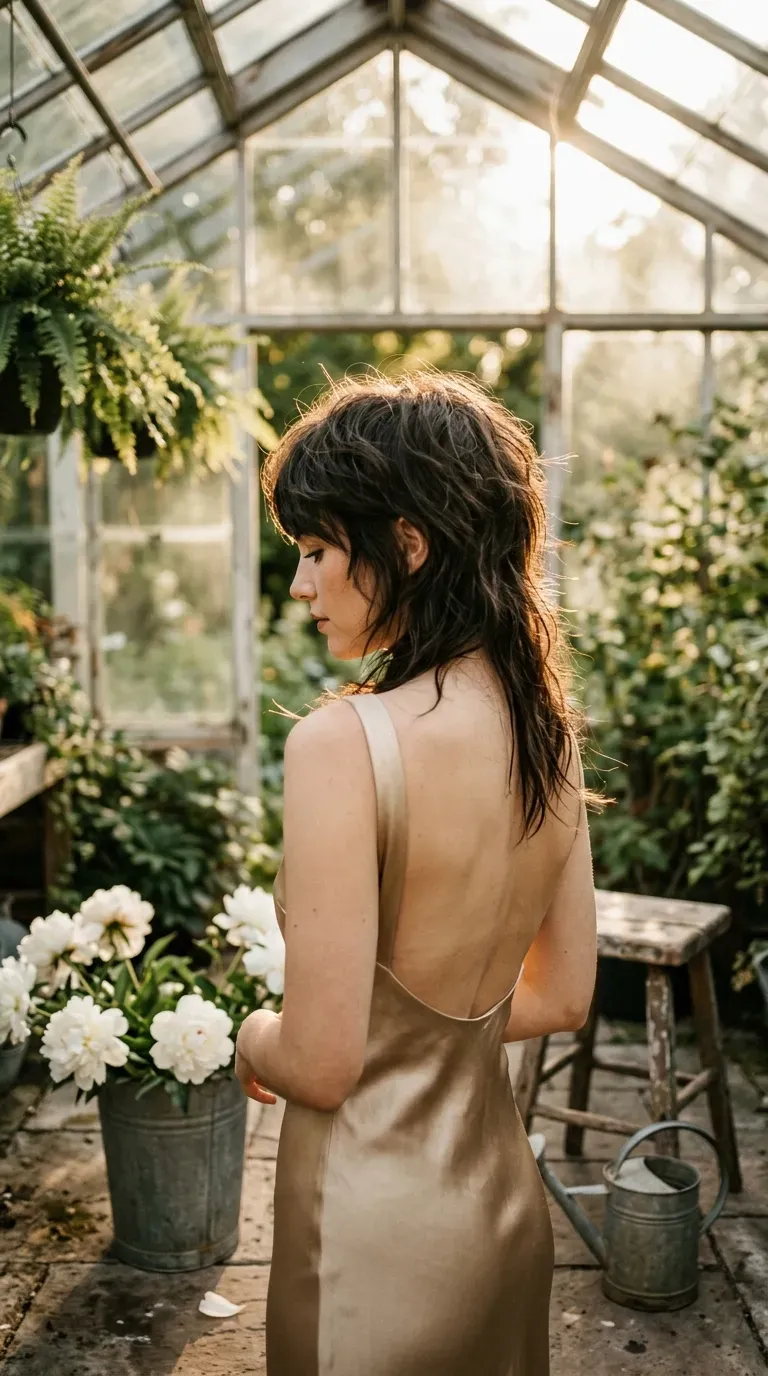
A wolf lob is a mix of a shag and a mullet, and it is much tamer than it sounds.
The top has short, rounded layers for volume. The bottom stays longer and wispy, which gives it movement and keeps the length you were afraid to lose.
Best on wavy or thick hair. On very straight hair, ask for softer layers or the shape will look stiff.
Quick tip: Flip your head upside down and blow dry the crown for a minute. That is the whole style.
20. Undone Lob That Grows Out Gracefully
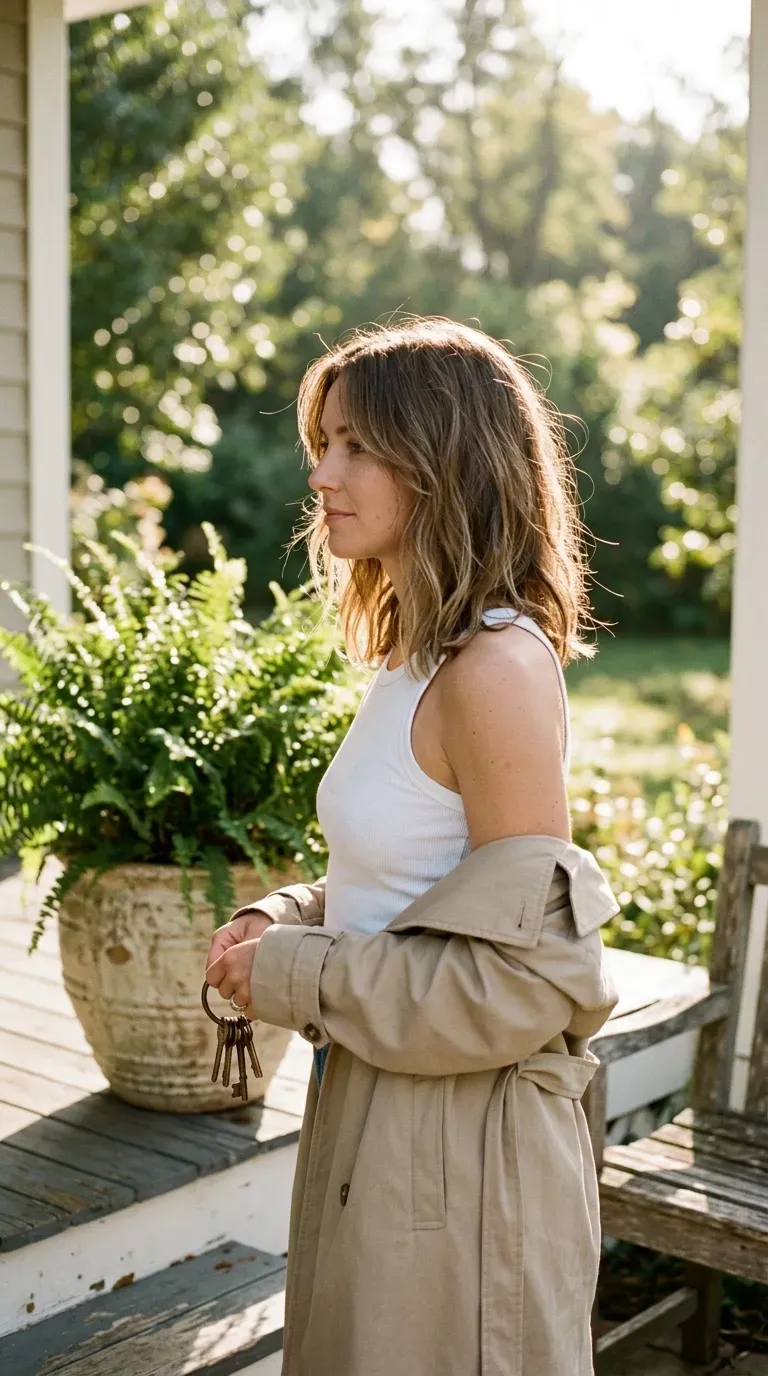
Last on the list, and the easiest to live with.
An undone lob has no strict lines to lose. The layers are loose, the ends are a bit uneven, and every inch of growth looks like part of the plan.
That means fewer salon trips. You can stretch the time between cuts and still look put together.
Ask for light layers, a soft face frame, and ends that are lightly point cut. Then wash, scrunch, and go.
Final Thoughts
Lob haircuts are the easy way to go shorter without losing the options that come with length. Pick one shape that fits your texture, ask your stylist to plan the back and the front together, and give it a few weeks to settle. If you are unsure, start with the blunt or the undone version, since both forgive the most.
Save this list to your hair board so you have the right photos ready for your next appointment.